
Luxury Wellness Retreats Redefine Experiential Wealth
By
John Carter
Last updated:
February 22, 2026
First Published:
February 22, 2026


Photo: Fernweh Fair Travel
A New Dimension of Luxury Spending
The ultra wealthy are increasingly seeking experiences that go beyond material possessions. Luxury wellness retreats have emerged as one of the fastest growing segments in experiential wealth spending. These retreats offer more than relaxation, providing bespoke programs that combine health, mindfulness, and personal growth with an exclusive, high end environment.
The Rise of Wellness as a Status Symbol
Wellness is no longer just a personal pursuit; it has become a status symbol among high net worth individuals. Retreats that offer curated experiences such as private yoga sessions, personalized nutrition plans, and cutting edge anti aging therapies are now highly sought after. For many, attending these retreats signals both success and a commitment to self care, blending prestige with wellbeing.
Personalization and Exclusivity Drive Demand
One of the key factors behind the popularity of luxury wellness retreats is personalization. Guests expect programs tailored to their specific health goals, stress levels, and lifestyle preferences. From private villas with dedicated wellness concierges to fully customized spa treatments, the level of exclusivity offered is unparalleled, making each visit a deeply immersive experience.
Integration of Technology and Science
Modern wellness retreats are embracing technology and scientific research to enhance outcomes. Wearable health monitors, genetic testing, and AI driven wellness assessments allow for highly precise programs. Affluent clients increasingly value data backed approaches that demonstrate measurable results, merging cutting edge science with indulgent experiences.
Retreats as an Investment in Human Capital
For high net worth individuals, wellness retreats are viewed not merely as leisure but as strategic investments in human capital. Improved physical health, mental resilience, and emotional wellbeing contribute directly to professional performance and long term vitality. This perspective positions wellness spending as a purposeful component of wealth management and lifestyle planning.
Global Expansion of Wellness Destinations
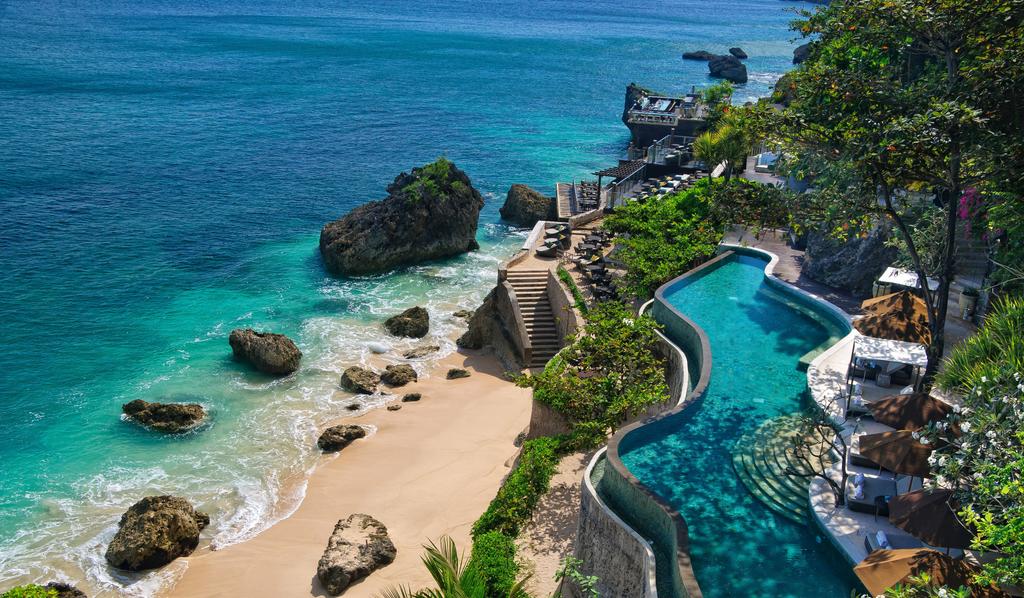
Luxury wellness retreats are no longer concentrated in traditional locations like the Swiss Alps or Bali. Emerging destinations across Europe, Asia, and the Middle East are establishing high end facilities that cater to global clientele. The proliferation of these retreats reflects both increasing demand and the desire for unique, culturally immersive experiences.
Experiential Wealth and Emotional Fulfillment
The appeal of wellness retreats lies in the combination of experience and emotional fulfillment. Affluent individuals are seeking transformative journeys that offer clarity, relaxation, and a sense of personal renewal. Unlike material goods, these experiences create lasting memories and meaningful change, enhancing the emotional dimension of wealth.
Strategic Partnerships and Brand Collaborations
Luxury wellness brands are collaborating with high end hotels, private chefs, and medical professionals to offer integrated programs. These partnerships elevate the quality of services and attract an elite clientele. Such collaborations also allow wellness retreats to innovate continuously, maintaining their appeal in a highly competitive market.
Sustainability and Ethical Considerations
Next generation investors and wellness seekers are increasingly drawn to retreats that embrace sustainability. Eco conscious architecture, organic locally sourced cuisine, and environmentally responsible practices enhance the appeal of retreats. For many affluent clients, aligning wellness experiences with ethical values is a critical factor in decision making.
Future Trends in Experiential Wealth
As the wellness sector evolves, new trends are emerging, including digital detox programs, immersive nature experiences, and holistic longevity initiatives. Luxury wellness retreats are poised to remain at the forefront of experiential wealth spending, offering transformative value that combines physical health, emotional balance, and social prestige.

Subscribe to unlock premium content
Sed at tellus, pharetra lacus, aenean risus non nisl ultricies commodo diam aliquet arcu enim eu leo porttitor habitasse adipiscing porttitor varius ultricies facilisis viverra lacus neque.
A comprehensive guide on Agile development

10 Productivity tools that are worth checking out

Top 7 Must have management tools for productivity

A comprehensive guide on Agile development
10 Productivity tools that are worth checking out
A comprehensive guide on Agile development