

Trophy Farmland Emerges as the Ultimate Wealth Asset
By
John Carter
Last updated:
February 22, 2026
First Published:
February 22, 2026

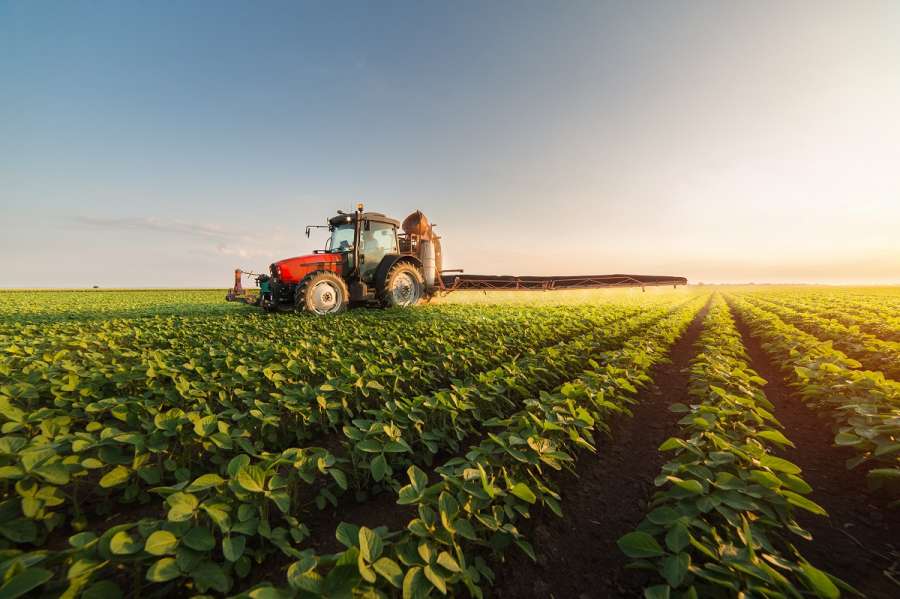
Photo: Newwine Realty
Redefining Wealth Preservation
For high net worth individuals, traditional assets such as equities and real estate are no longer the only pillars of wealth preservation. Trophy farmland has emerged as a strategic asset class, offering both financial stability and tangible security. These premium agricultural properties provide a hedge against inflation, currency fluctuations, and market volatility while delivering potential for long term appreciation.
Global Demand for Prime Agricultural Land
Prime farmland in regions known for fertility, climate stability, and access to water resources is increasingly in demand. Investors are targeting locations in North America, South America, Europe, and Australasia. These lands are considered “trophy” because of their scarcity, productivity, and potential to generate consistent revenue streams from high quality crops and livestock.
Combining Profit with Purpose
Beyond financial return, farmland investment provides a sense of purpose. Investors are increasingly focused on sustainable agriculture, food security, and regenerative farming practices. By integrating environmentally responsible techniques, they can enhance soil health, conserve biodiversity, and contribute to global food supply, aligning wealth creation with impact.
Long Term Stability Amid Market Volatility
Farmland has proven resilience in economic downturns, offering low correlation with traditional financial markets. This stability is particularly appealing to ultra wealthy investors seeking to diversify their portfolios. The physical nature of the asset, combined with intrinsic productivity, makes farmland a secure long term investment with predictable income potential.
Revenue Streams from Agriculture
Trophy farmland generates multiple revenue streams. High end crop cultivation, organic produce, wine production, and livestock operations provide consistent returns. Additionally, farmland can support agritourism, educational initiatives, and specialty food production, further enhancing the asset’s value and prestige.
Strategic Geographic Selection
Investors consider climate, soil quality, water access, and political stability when acquiring farmland. Regions with long growing seasons, stable governance, and established agricultural infrastructure are preferred. Careful selection ensures resilience, productivity, and the ability to scale operations over decades, making these lands highly coveted.
Enhancing Legacy Through Land Ownership
For many wealthy families, farmland represents an intergenerational legacy. Unlike liquid assets, land can be passed down while maintaining productivity and value. Ownership provides a tangible connection to heritage, stewardship, and responsible resource management, reinforcing the social and cultural dimension of wealth.
Integration of Technology and Innovation
Modern farmland investment increasingly incorporates precision agriculture, automation, and data analytics. Drone monitoring, soil sensors, and AI based crop management improve yield, reduce waste, and optimize resource use. For ultra wealthy investors, integrating technology enhances both financial returns and operational efficiency.
Global Collaboration and Partnerships
Wealthy investors often form partnerships with agribusiness firms, research institutions, and local operators to maximize value. These collaborations provide expertise, reduce risk, and facilitate market access. By leveraging networks, investors can ensure both high quality production and long term sustainability of their farmland assets.
Farmland as a Strategic Hedge
Trophy farmland offers a unique combination of financial resilience, sustainability, and scarcity. It acts as a hedge against inflation, global instability, and market disruptions. For investors seeking security, growth, and a tangible connection to the planet’s essential resources, farmland has become one of the most compelling asset classes available today.
Future Outlook for Farmland Investment
As global population and demand for high quality food increase, the value of trophy farmland is likely to appreciate further. Emerging technologies, sustainable practices, and premium agricultural markets will continue to enhance its appeal. For the ultra wealthy, farmland represents a rare opportunity to combine wealth preservation, ethical investment, and long term legacy building in a single tangible asset.




Subscribe to unlock premium content
Sed at tellus, pharetra lacus, aenean risus non nisl ultricies commodo diam aliquet arcu enim eu leo porttitor habitasse adipiscing porttitor varius ultricies facilisis viverra lacus neque.
A comprehensive guide on Agile development

10 Productivity tools that are worth checking out

Top 7 Must have management tools for productivity

A comprehensive guide on Agile development
10 Productivity tools that are worth checking out
A comprehensive guide on Agile development