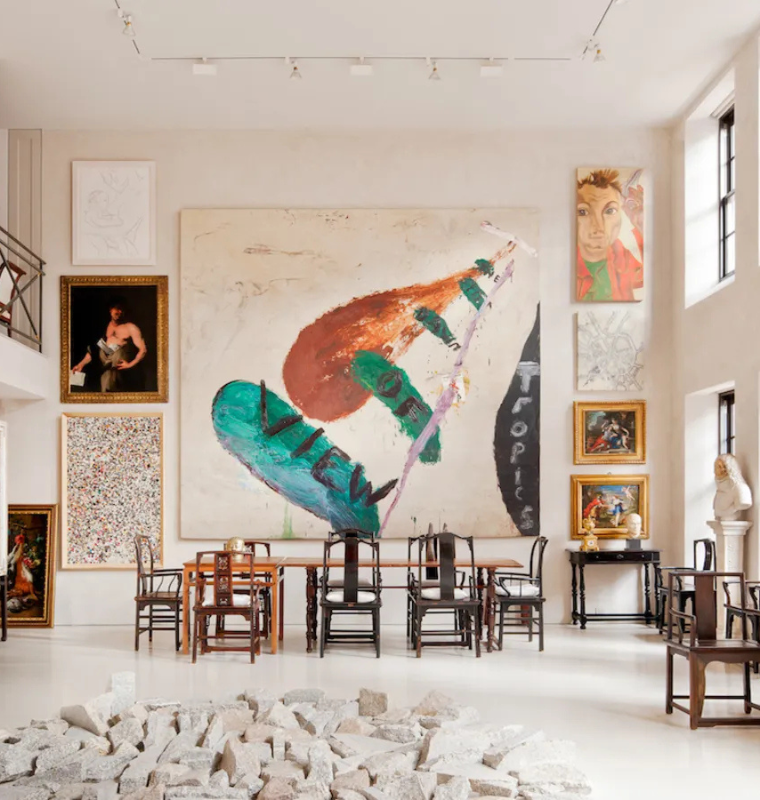

Old Money Playbooks Are Breaking as a New Generation of Wealth Chooses Flexibility Over Permanence
By
John Carter
Last updated:
February 2, 2026
First Published:
February 2, 2026


Photo: The Economic Times
A Shift That Quietly Redefines Wealth
For decades wealth followed a familiar rhythm built on preservation inheritance and visible symbols of stability. That rhythm is now changing. Across global financial centers a younger generation of affluent individuals is redefining what it means to be wealthy. They are less interested in maintaining rigid traditions and more focused on designing lives that can evolve quickly with markets culture and personal values.
The Decline of Fixed Status Structures
Traditional wealth relied heavily on permanence. Family estates lifelong board positions and inherited social circles once acted as proof of success. Today these markers feel restrictive to younger wealth holders. Instead of anchoring identity to fixed assets they prefer fluid systems that allow movement across industries locations and lifestyles without emotional or financial friction.
Why Flexibility Has Become the New Currency
Flexibility offers protection in an unpredictable world. Economic cycles move faster technology reshapes industries overnight and geopolitical shifts alter opportunity landscapes. Wealth holders who can adapt quickly retain influence while those locked into rigid structures often struggle to respond. Flexibility is no longer a preference but a strategic advantage.
How Investment Behavior Is Changing
The new wealthy are less attached to single asset classes or generational holdings. Capital is increasingly allocated to diversified private opportunities digital ventures and portable businesses. This approach prioritizes optionality over legacy. Ownership matters less than control and access. Wealth becomes a tool rather than a monument.
Lifestyle Design Over Lifestyle Display
Public displays of wealth are losing relevance. Instead affluent individuals are investing in experiences privacy and autonomy. Residences are chosen for mobility not heritage. Time freedom outranks physical opulence. The goal is not to be seen as wealthy but to operate without constraint.
The Psychological Break From Inherited Expectations
Many heirs are consciously stepping away from the expectations tied to old money traditions. The pressure to preserve family image or continue predefined roles is being replaced by a desire for self authorship. Wealth is no longer treated as a responsibility to the past but as leverage for the future.
Global Mobility as a Core Strategy
Geographic permanence once signaled stability. Today global mobility signals intelligence. Wealth holders are structuring their lives to move seamlessly between cities jurisdictions and cultures. This is not about escape but about positioning oneself where opportunity alignment is strongest at any given time.
Private Networks Replace Public Prestige
Influence is shifting away from public recognition toward private ecosystems. Exclusive communities curated networks and invitation only platforms now carry more weight than visible titles. Power is exercised quietly through access relationships and shared knowledge rather than through formal hierarchy.
What This Means for Legacy Wealth Families
Families rooted in traditional wealth structures face a choice. They can either adapt by allowing flexibility within their systems or risk fragmentation as younger members disengage. Successful families are redesigning governance investment philosophy and lifestyle expectations to remain relevant across generations.
The Future Shape of Wealth Culture
Wealth is becoming lighter more dynamic and less sentimental. The future belongs to those who treat wealth as an operating system rather than a static inheritance. As old money playbooks lose relevance a new model emerges built on adaptability discretion and intentional freedom. Richness is no longer about what lasts forever but about what can change at the right moment.



Subscribe to unlock premium content
Sed at tellus, pharetra lacus, aenean risus non nisl ultricies commodo diam aliquet arcu enim eu leo porttitor habitasse adipiscing porttitor varius ultricies facilisis viverra lacus neque.
A comprehensive guide on Agile development

10 Productivity tools that are worth checking out

Top 7 Must have management tools for productivity

A comprehensive guide on Agile development
10 Productivity tools that are worth checking out
A comprehensive guide on Agile development