
Private Capital Is Quietly Redefining Luxury Living Through Space, Silence, and Control
By
John Carter
Last updated:
December 24, 2025
First Published:
April 25, 2026

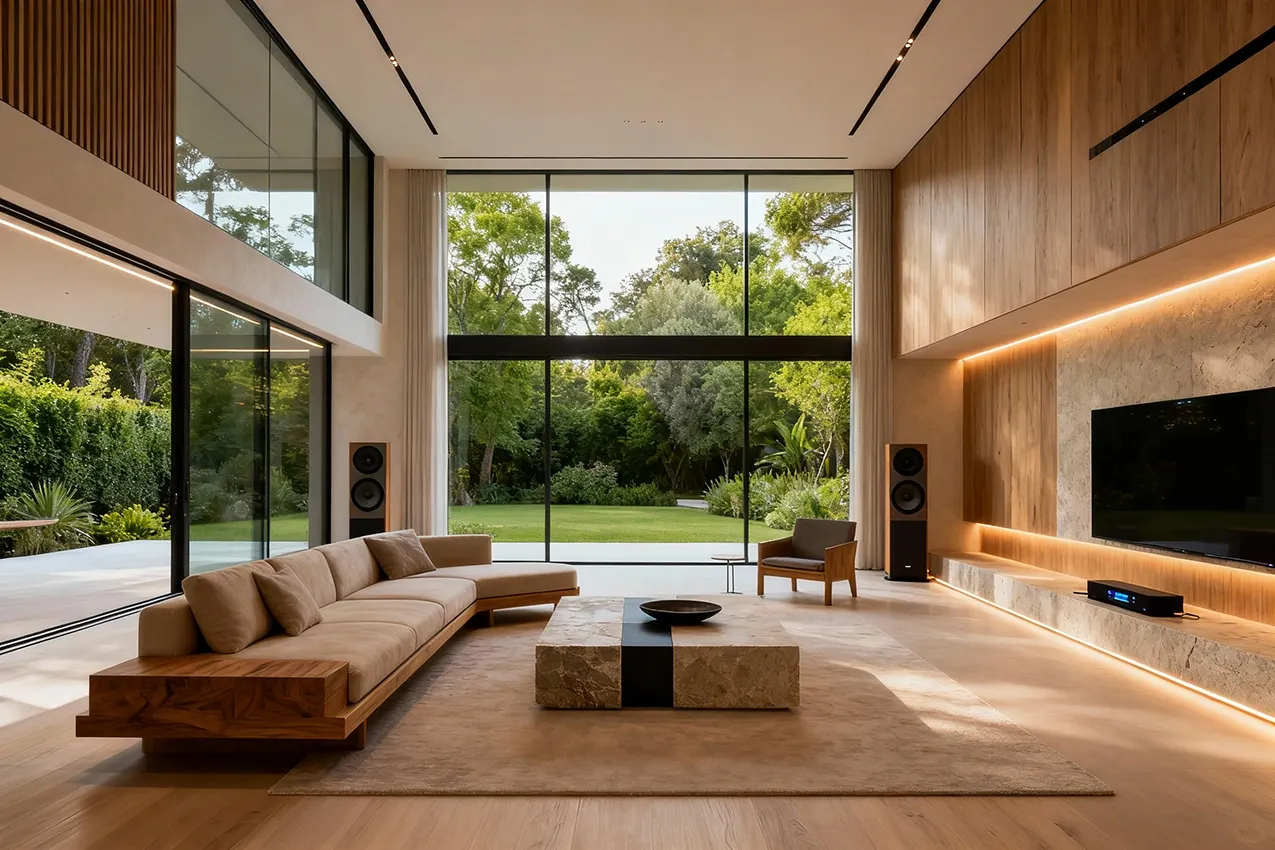
Photo: Proptys -Medium
The New Luxury Paradigm
Luxury living has long been associated with visible wealth, architectural grandeur, and curated social prestige. Yet, in recent years, a quieter, more refined shift has emerged. Private capital is quietly reshaping how the wealthy experience comfort, comfort that is increasingly defined by space, silence, and control rather than mere material excess. This is not about flashy cars or diamond-encrusted accessories but about the intentional creation of environments that offer peace, autonomy, and expansive freedom.
Space as the Ultimate Statement
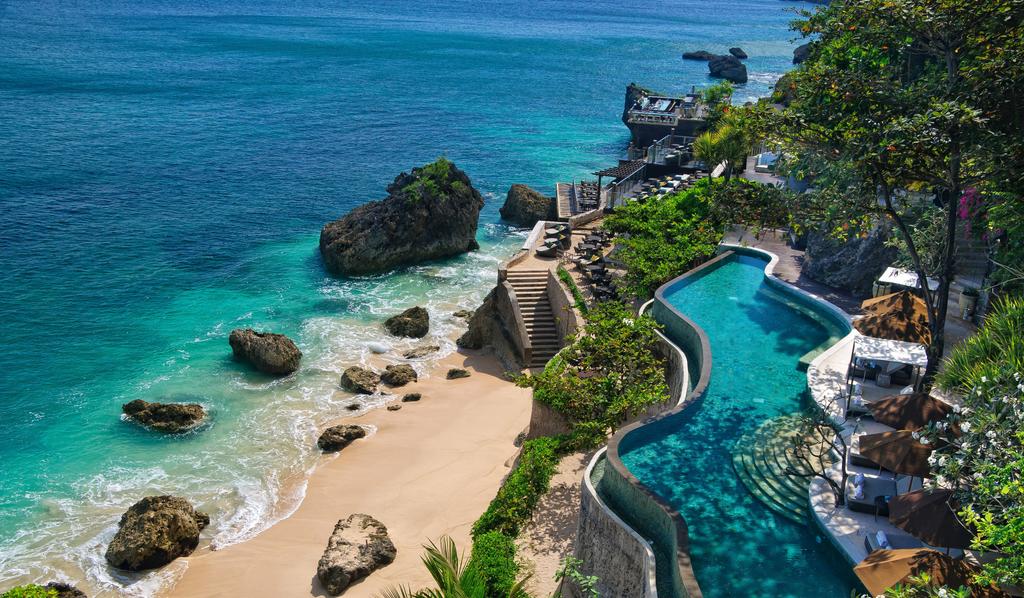
Today, space has become one of the most coveted luxuries. Ultra-wealthy individuals are investing in properties with sprawling layouts, expansive ceilings, and uninterrupted views. The focus is no longer on how much can fit within a space, but how much the space can offer in terms of openness and personal breathing room. Privacy lawns, private parks, and vast penthouse terraces are now considered essential, giving residents the ability to exist in their own world while still being connected to urban or natural surroundings.
Silence as a Measure of Wealth
Silence has quietly become the new indicator of affluence. High-net-worth individuals are increasingly valuing properties and destinations that offer acoustic isolation from the noise of modern life. This includes soundproofing technologies, remote locations, and even urban apartments engineered to mute the city’s chaotic rhythms. In these environments, the absence of external disturbances is as luxurious as a high-end kitchen or marble bath, reflecting a shift in the definition of opulence toward mental and sensory tranquility.
Control Over Every Detail
Beyond space and silence, control has emerged as a defining trait of modern luxury. Private capital allows buyers to shape every aspect of their environment, from interior layouts to security measures. This sense of control extends to technology, lifestyle, and even community interactions. Automated homes, private concierge services, and gated enclaves are manifestations of a lifestyle where every experience is meticulously curated and personalized, offering residents freedom from the unpredictability of public spaces.
The Role of Private Investment
This transformation is fueled by private capital quietly infiltrating traditional real estate markets. Investors are no longer simply buying property for its value or status; they are creating experiences designed for a select few. These investments are reshaping urban and suburban landscapes, introducing buildings and neighborhoods where privacy and autonomy are carefully engineered. Wealth is being deployed not just to acquire assets but to craft entirely new paradigms of living.
The Psychological Appeal
There is a deeply psychological component to this trend. Space, silence, and control contribute to a sense of mastery over one’s surroundings, offering reassurance in a world that feels increasingly unpredictable. For high-net-worth individuals, this kind of luxury addresses the desire for inner peace, a sanctuary from the relentless pace of society. It is a form of wealth that transcends the superficial and touches the experiential, creating a lasting sense of fulfillment.
Emerging Architectural Trends
Architects and designers are responding to these demands with a focus on minimalism, natural light, and sustainable isolation. Luxury is now synonymous with thoughtful spatial planning, acoustic engineering, and environmental sensitivity. Private terraces, floating staircases, and hidden service areas are all part of a vocabulary that allows wealthy residents to interact with their homes on their own terms, reinforcing the notion that exclusivity and privacy have replaced ostentation as the markers of status.
Cultural Shifts in Consumption
This evolution also reflects broader cultural shifts. The ultra-wealthy are no longer primarily interested in public recognition. They are investing in lifestyles that emphasize personal satisfaction and discreet comfort. Experiences such as private art galleries, secluded wellness centers, and off-grid vacation homes are increasingly prioritized over public displays of affluence, signaling a move from consumption as spectacle to consumption as sanctuary.
Impact on Urban Landscapes
The infiltration of private capital is reshaping cities and suburbs alike. New developments are designed for those who demand control over their environment, from access and circulation to landscaping and lighting. Urban planners and developers are increasingly accommodating these preferences, creating spaces where the wealthy can experience both integration and separation, connection and retreat. The result is a luxury that is felt more than it is shown.
Looking Ahead
As private capital continues to define luxury, the next generation of wealthy individuals may pursue comfort in ways that are invisible to the public eye but profoundly transformative in daily life. Space, silence, and control will continue to be the cornerstones of an evolving elite lifestyle, demonstrating that true luxury is no longer measured by what others can see but by the autonomy, serenity, and freedom it offers those who can afford it.

Subscribe to unlock premium content
Sed at tellus, pharetra lacus, aenean risus non nisl ultricies commodo diam aliquet arcu enim eu leo porttitor habitasse adipiscing porttitor varius ultricies facilisis viverra lacus neque.
A comprehensive guide on Agile development

10 Productivity tools that are worth checking out
Top 7 Must have management tools for productivity

A comprehensive guide on Agile development
10 Productivity tools that are worth checking out
A comprehensive guide on Agile development