

Private Capital Is Quietly Replacing Governments in Shaping Global Cities
By
John Carter
Last updated:
January 7, 2026
First Published:
January 7, 2026

The Silent Shift of Urban Authority
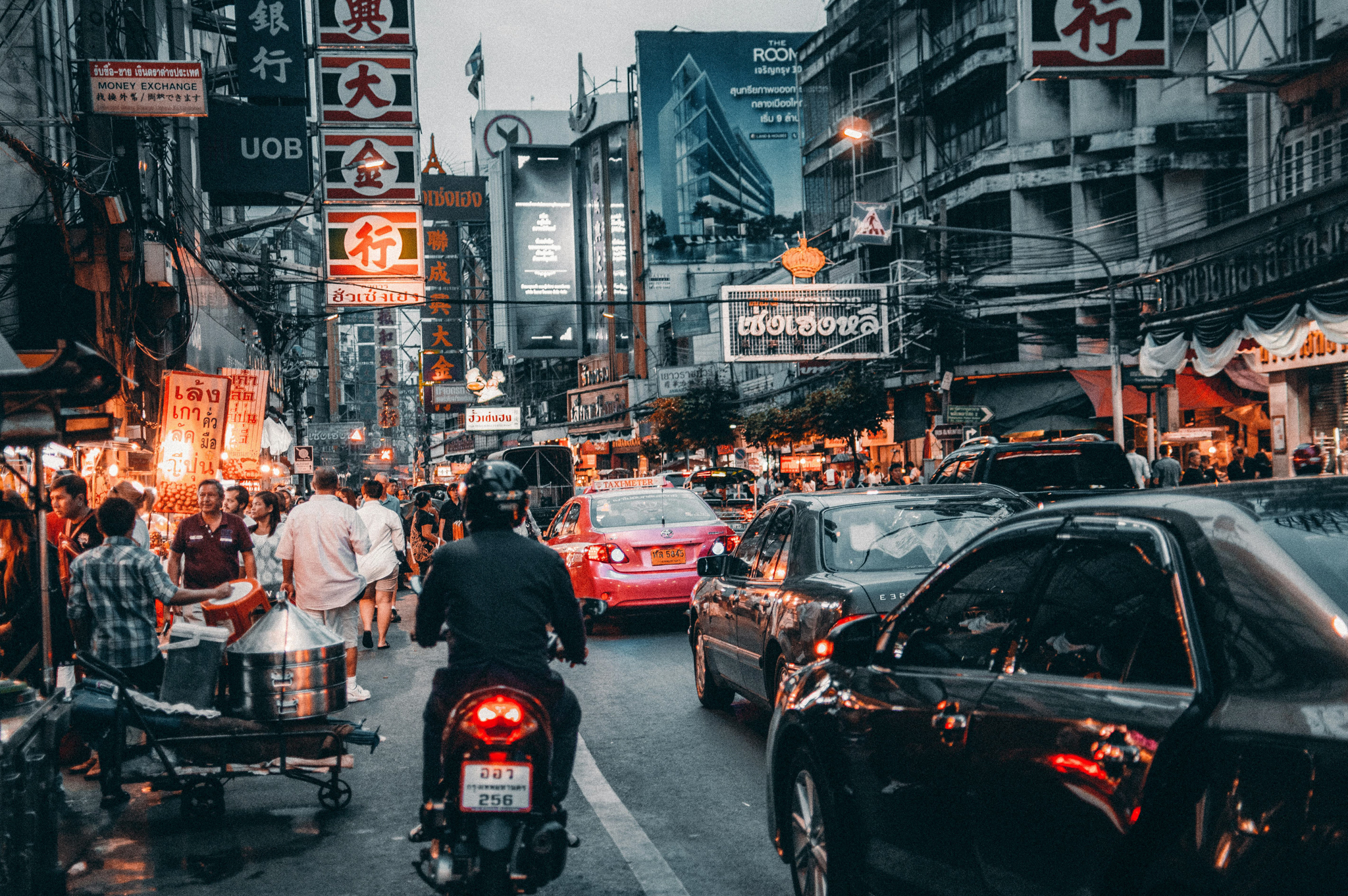
Across the world the development of major cities is no longer driven solely by governments. Private capital led by billionaires family offices and institutional investors is increasingly directing how cities grow evolve and function. This shift is subtle yet powerful and it is reshaping urban life without public debate.
Why Governments Are Losing Control
Many governments struggle with budget constraints political cycles and slow decision making. Large scale urban projects require speed long term commitment and risk tolerance which public institutions often lack. Private capital fills this gap by stepping in with funding vision and execution capacity.
Cities as Investment Platforms
For wealthy investors cities are no longer just places to operate businesses. They are platforms for value creation. Real estate infrastructure transportation and digital connectivity are treated as interconnected assets that can be optimized for long term influence and return.
The Rise of Privately Driven Districts
Entire districts are now planned funded and managed by private entities. These areas often include residential commercial and cultural zones designed as cohesive ecosystems. While governments provide approval the actual control lies with capital providers who define priorities and standards.
Infrastructure Without Public Ownership
Transportation hubs energy systems and digital networks are increasingly financed by private investors. Control over infrastructure grants influence over economic activity and population movement. This quietly transfers power from elected bodies to capital holders.
Urban Policy Through Investment
Private capital shapes policy indirectly. Investment conditions often determine zoning regulations tax incentives and development rules. Cities compete to attract capital which gives investors leverage to influence governance outcomes without holding office.
Global Capital Creates Uniform Cities
As the same investors operate across continents cities begin to resemble one another. Luxury districts business hubs and lifestyle zones follow similar models regardless of culture. This globalized urban design reflects investor priorities more than local identity.
Who Benefits From This Shift
Supporters argue that private capital accelerates development and improves efficiency. Critics warn that it prioritizes profit over inclusion. What is clear is that access to decision making increasingly depends on financial participation rather than citizenship.
The Role of Family Offices and Funds
Family offices and private funds play a central role in this transformation. Their long investment horizons allow them to influence city planning over decades. Unlike governments they are not subject to elections or public accountability.
A New Form of Urban Power
Power over cities no longer requires political authority. It requires capital strategic patience and systems thinking. Those who finance cities increasingly shape how people live work and interact within them.
The Future of City Governance
As private capital continues to expand its role the line between public and private governance will blur further. Cities may function efficiently yet democratically weaker. Understanding this shift is essential to understanding the future of global wealth and power.



Subscribe to unlock premium content
Sed at tellus, pharetra lacus, aenean risus non nisl ultricies commodo diam aliquet arcu enim eu leo porttitor habitasse adipiscing porttitor varius ultricies facilisis viverra lacus neque.
A comprehensive guide on Agile development

10 Productivity tools that are worth checking out

Top 7 Must have management tools for productivity

A comprehensive guide on Agile development
10 Productivity tools that are worth checking out
A comprehensive guide on Agile development