

Private Education and Legacy Planning Outpace Luxury Goods in High Net Worth Budgets
By
Sophie Moore
Last updated:
January 14, 2026
First Published:
January 14, 2026


Photo: Bright Advisers
A Redefinition of Elite Spending Priorities
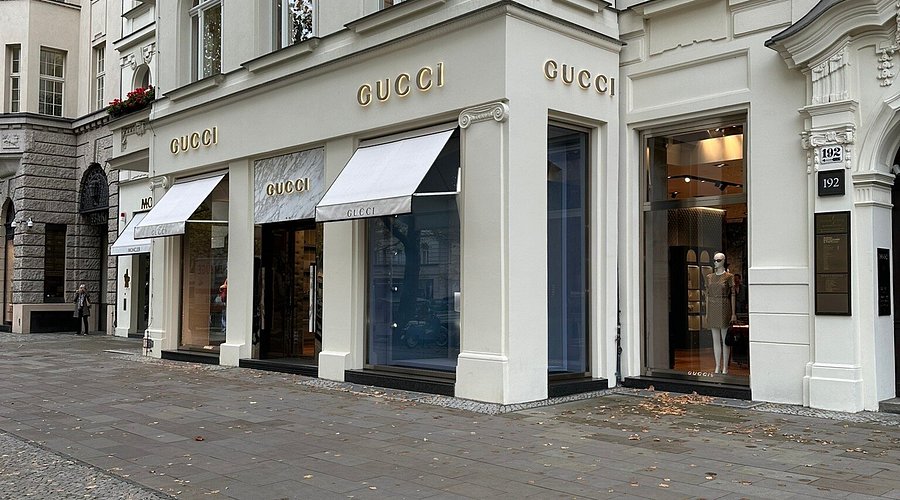
Among high net worth families, spending patterns are shifting away from visible luxury goods toward investments in education, governance, and legacy. Designer items, supercars, and oversized estates are no longer the dominant indicators of status. Instead, families are allocating resources to areas that promise long-term influence, continuity, and strategic advantage.
Education as a Pillar of Legacy
Private schooling, global universities, and tailored mentorship programs are now viewed as critical assets. Wealthy families recognize that education is an investment in both personal growth and the sustainability of family influence. Strategic educational choices help heirs understand wealth management, ethics, and leadership, equipping them to steward multigenerational fortunes.
The Emergence of Legacy Planning
Legacy planning now commands significant attention in elite households. Families are creating complex governance structures, trusts, and succession plans designed to preserve wealth, values, and control. These structures ensure that assets are protected, intergenerational transitions are smooth, and family influence remains intact.
Declining Allure of Material Display
Luxury goods once served as public markers of achievement. The younger generation of wealthy individuals often sees these purchases as ephemeral. They prefer allocations that provide measurable returns, either in skill acquisition, strategic positioning, or long-term influence.
Family Offices as Strategic Enablers
Family offices have become central to this shift. Beyond wealth management, they act as advisors and organizers, coordinating education, philanthropy, investments, and legacy initiatives. By centralizing decision-making, family offices ensure that resources align with long-term goals rather than short-term satisfaction.
Philanthropy as Status and Impact
Modern wealthy families increasingly combine philanthropy with strategic legacy. Investments in education programs, scholarships, and cultural initiatives provide both societal impact and reinforce family values. Giving is no longer solely about visibility; it is about shaping influence and leaving a lasting imprint.
Integration of Global Exposure
Families are also prioritizing global exposure for heirs. Studying abroad, attending international conferences, and participating in cross-border initiatives enhance worldview, networks, and strategic thinking. These experiences are viewed as more valuable than owning high-end consumer goods.
Wealth as a Tool for Influence, Not Display
The modern elite increasingly sees wealth as a tool to empower capabilities rather than to showcase lifestyle. Investments in education, governance, and legacy ensure that wealth can maintain relevance, power, and adaptability over generations.
Security and Privacy Considerations
Investing in intangible assets like education and governance also enhances security. These investments are less visible to the public eye, reducing exposure and scrutiny while simultaneously enhancing family control and resilience.
A Broader Cultural Shift in Elite Communities
As families continue to prioritize knowledge, planning, and sustainability over luxury goods, the very definition of elite living evolves. Quiet influence, strategic foresight, and intergenerational continuity now dominate the markers of high status, signaling a profound transformation in wealth culture.



Subscribe to unlock premium content
Sed at tellus, pharetra lacus, aenean risus non nisl ultricies commodo diam aliquet arcu enim eu leo porttitor habitasse adipiscing porttitor varius ultricies facilisis viverra lacus neque.
A comprehensive guide on Agile development

10 Productivity tools that are worth checking out

Top 7 Must have management tools for productivity

A comprehensive guide on Agile development
10 Productivity tools that are worth checking out
A comprehensive guide on Agile development