

The Rise of Invisible Luxury Signals a Cultural Shift Inside the Wealth Class
By
John Carter
Last updated:
January 14, 2026
First Published:
January 14, 2026


Photo: Insignia
Luxury Without Visibility
The traditional markers of wealth—oversized mansions, flashy vehicles, and public displays of opulence—are losing favor among elite families. Instead, invisible luxury has emerged as a defining trend. Wealthy individuals now measure status by privacy, control, and influence rather than by what can be seen or photographed.
Discretion as a Strategic Asset
High net worth individuals increasingly view discretion as a form of power. By keeping assets, spending habits, and lifestyle choices private, they reduce exposure to public scrutiny, legal attention, and reputational risk. Invisible luxury allows them to maintain autonomy and make decisions without external pressure or judgment.
The Shift from Materialism to Experience
Modern elites are investing more in experiences than tangible goods. Private travel, exclusive learning opportunities, and curated cultural experiences are preferred over traditional luxury items. These investments deliver long-lasting value while avoiding the attention that conspicuous material consumption invites.
Family Offices and Wealth Management
Family offices are central to the invisible luxury trend. Beyond financial management, they orchestrate privacy, succession planning, and lifestyle curation. By providing tailored services and secure strategies, family offices enable families to enjoy the benefits of wealth while remaining largely invisible to the outside world.
Education and Cultural Capital
Invisible luxury also manifests through investments in education, networks, and personal development. High net worth families prioritize cultivating knowledge, skills, and connections that enhance influence rather than public recognition. The quiet accumulation of cultural capital becomes a subtle yet powerful marker of status.
Real Estate Choices Reflecting Privacy
Property preferences are shifting from sprawling, publicly recognized estates to smaller, strategically located residences with high security and privacy. Location, access control, and discretion outweigh sheer size. Homes are designed for personal comfort and efficiency rather than display, reflecting a broader trend toward understated living.
Redefining Social Status Among Peers
Within elite circles, visible displays of wealth are increasingly seen as gauche or unnecessary. True status is signaled by the ability to operate behind the scenes, make impactful decisions, and maintain legacy without public validation. Quiet influence has replaced ostentatious luxury as the social currency of the wealthy.
The Role of Technology in Invisible Luxury
Secure digital tools, encrypted communications, and private platforms facilitate the invisible luxury lifestyle. Wealthy individuals leverage technology to manage assets, coordinate investments, and maintain social networks while minimizing exposure. This creates a controlled ecosystem where privacy is prioritized.
Philanthropy as a Subtle Marker of Wealth
High net worth families are channeling resources into philanthropic initiatives that align with personal values and legacy goals. Rather than publicizing donations for social acclaim, they often operate discreetly, reinforcing influence and impact quietly. Philanthropy becomes a sophisticated extension of invisible luxury.
Implications for Brands and Services
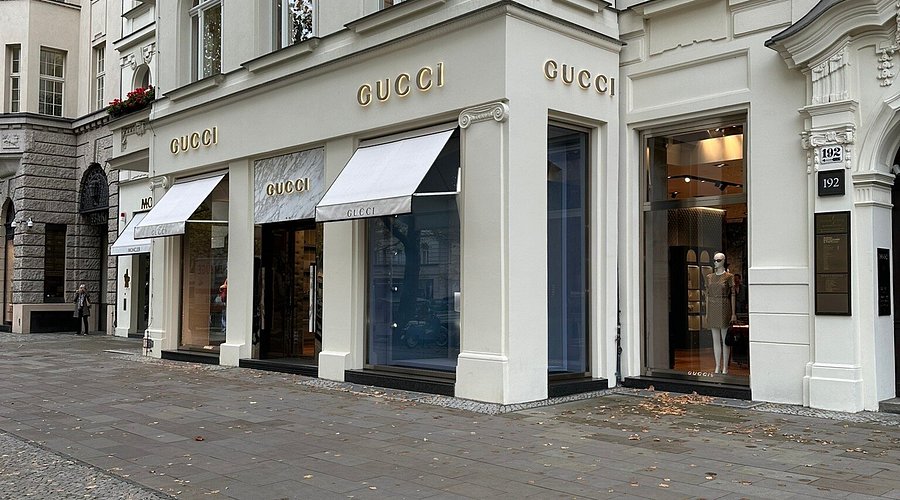
The rise of invisible luxury challenges traditional luxury brands and services. Products and experiences that emphasize discretion, personalization, and privacy will become more valuable than visible status symbols. Wealth culture is shifting from what can be seen to what can be controlled, protected, and experienced privately.



Subscribe to unlock premium content
Sed at tellus, pharetra lacus, aenean risus non nisl ultricies commodo diam aliquet arcu enim eu leo porttitor habitasse adipiscing porttitor varius ultricies facilisis viverra lacus neque.
A comprehensive guide on Agile development

10 Productivity tools that are worth checking out
Top 7 Must have management tools for productivity

A comprehensive guide on Agile development
10 Productivity tools that are worth checking out
A comprehensive guide on Agile development