

Private Island Leasing Market Booms as Ultra Rich Seek Seasonal Sovereignty
By
Sophie Moore
Last updated:
March 4, 2026
First Published:
March 4, 2026

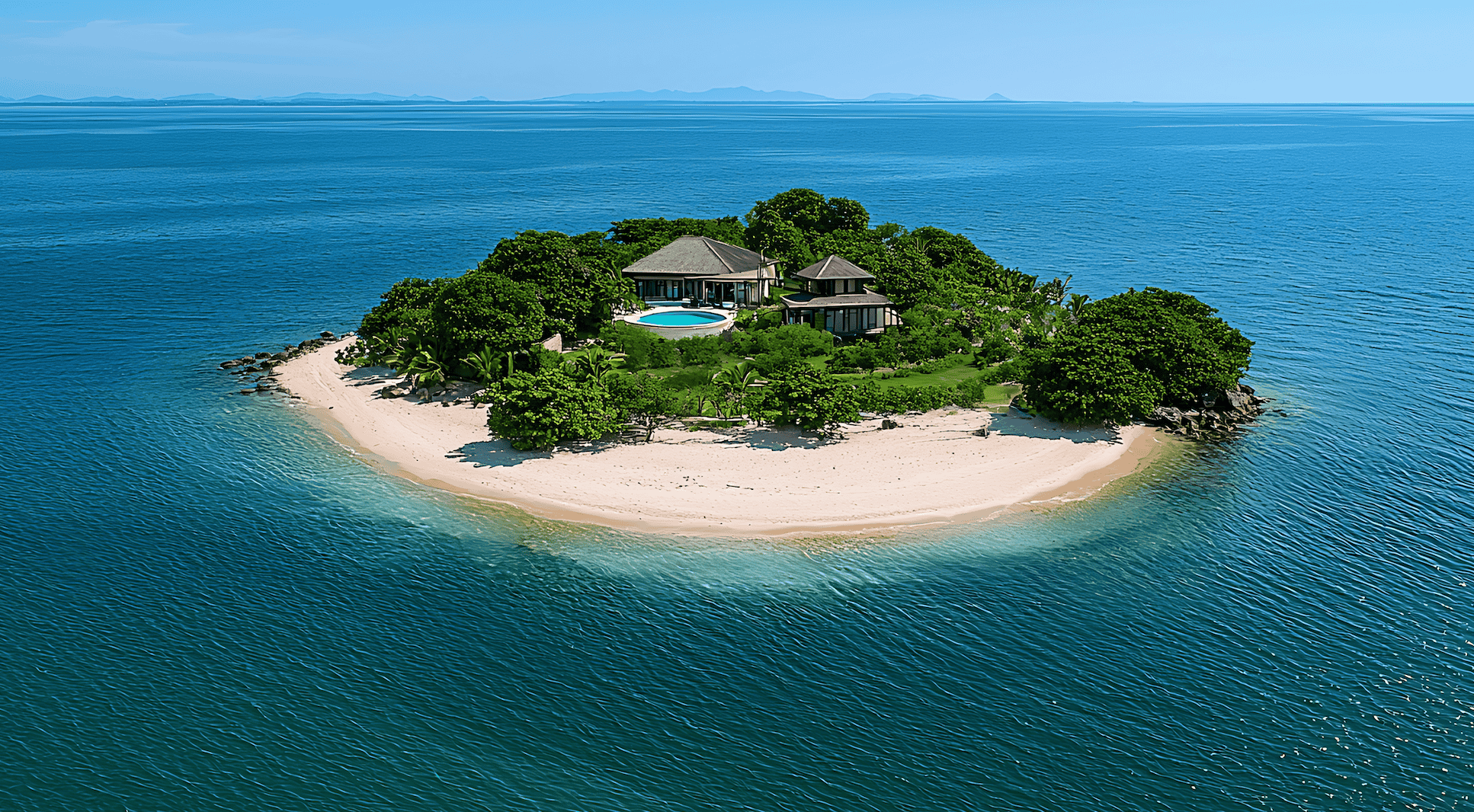
A New Definition of Escape
For decades, private island ownership symbolized the ultimate expression of wealth. Today, however, a new model is gaining traction among the ultra wealthy. Instead of purchasing entire islands outright, billionaires and centi millionaires are increasingly choosing long term private leases. This approach provides exclusivity and control without the permanence and administrative complexity of full ownership.
Seasonal Sovereignty Over Permanent Control
Leasing offers what many affluent individuals now value most, flexibility. Ultra high net worth individuals often operate across multiple global residences. A leased island allows them to command a sovereign like environment during specific seasons while maintaining agility in their broader portfolio. The concept of seasonal sovereignty has become more appealing than fixed geographical attachment.
Post Pandemic Travel Psychology
Global travel disruptions reshaped how the wealthy evaluate privacy and security. Remote estates and isolated destinations gained renewed importance. Private islands deliver controlled environments with customized staffing, security, and logistics. Leasing enables families to secure these advantages for peak travel months without assuming year round operational burdens.
Financial Logic Behind the Trend
Owning an island involves continuous infrastructure costs, environmental compliance, staffing, and maintenance. Leasing transfers many of these obligations back to developers or island management firms. From a capital allocation perspective, leasing preserves liquidity while still delivering the experiential prestige of exclusivity. Investors increasingly favor asset light luxury when it aligns with lifestyle objectives.
The Rise of Turnkey Ultra Luxury
Island developers are responding by offering turnkey packages that include curated villas, renewable energy systems, desalination facilities, and hospitality grade service teams. Lessees can personalize interiors and experiences without managing construction or regulatory negotiations. This model blends hospitality sophistication with private domain control.
Geographical Hotspots for Elite Leasing
Caribbean destinations remain dominant, but interest is also rising in parts of Southeast Asia and the Mediterranean. Regions that combine political stability, favorable leasing laws, and strong infrastructure attract the highest demand. Strategic accessibility by private jet is often a decisive factor in lease selection.
Environmental Positioning as a Prestige Factor
Modern ultra wealthy consumers increasingly prioritize sustainability. Developers now integrate solar energy, water recycling systems, and marine conservation initiatives into island offerings. Leasing clients often seek properties that align with environmental stewardship values. Prestige is no longer defined solely by scale but also by ecological responsibility.
Privacy as the Ultimate Commodity
In an era of hyper connectivity, privacy has become one of the rarest luxuries. A leased island ensures physical distance from paparazzi, digital intrusion, and public scrutiny. For high profile entrepreneurs and public figures, controlled isolation represents both safety and mental relief. The psychological premium attached to privacy continues to rise.
Social Capital and Exclusive Gatherings
Private islands serve as powerful venues for curated gatherings. Business negotiations, philanthropic retreats, and elite social events unfold within highly controlled environments. Leasing provides access to these strategic social settings without the reputational risks associated with permanent ownership. Islands become platforms for influence rather than merely vacation destinations.
The Future of Experiential Wealth
The expansion of private island leasing signals a broader transformation in luxury consumption. Ultra wealthy individuals are increasingly valuing access, adaptability, and strategic control over static ownership. Experiences are structured around flexibility rather than permanence. Seasonal sovereignty reflects a modern understanding of power that prioritizes mobility and discretion.
The booming private island leasing market illustrates how wealth strategies continue to evolve. Ownership remains a symbol of affluence, yet leasing delivers efficiency, privacy, and operational ease. As global elites refine how they deploy both capital and time, temporary dominion over paradise may prove more desirable than permanent possession.


Subscribe to unlock premium content
Sed at tellus, pharetra lacus, aenean risus non nisl ultricies commodo diam aliquet arcu enim eu leo porttitor habitasse adipiscing porttitor varius ultricies facilisis viverra lacus neque.
A comprehensive guide on Agile development

10 Productivity tools that are worth checking out

Top 7 Must have management tools for productivity

A comprehensive guide on Agile development
10 Productivity tools that are worth checking out
A comprehensive guide on Agile development