

Private Island Tourism Experiences Record Growth as Wealthy Travelers Abandon Traditional Five Star Resorts
By
John Carter
Last updated:
May 7, 2026
First Published:
May 7, 2026

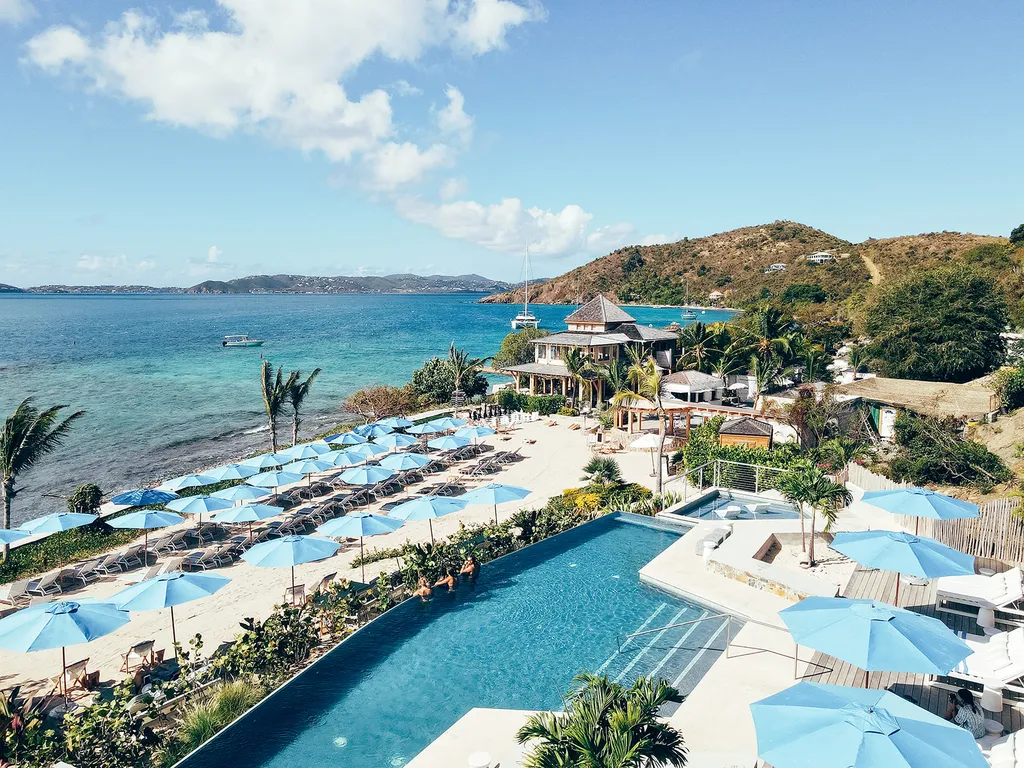
The Shift From Resorts to Total Isolation Luxury
In 2026, luxury travel is undergoing a major transformation as ultra wealthy individuals increasingly move away from traditional five star resorts in favor of fully private island experiences. This shift is driven by a growing demand for complete isolation, personalized environments, and total control over surroundings.
Unlike conventional luxury resorts that still involve shared spaces and public visibility, private island tourism offers an entirely different level of exclusivity. Guests are no longer part of a hospitality crowd. Instead, they become the sole occupants of an entire destination, with every aspect of the environment tailored specifically to their preferences.
This evolution reflects a broader trend in elite lifestyle culture where privacy is now considered more valuable than luxury branding or traditional hospitality rankings.
Exclusivity Has Become the Core Value of Island Travel
The primary attraction of private island tourism is exclusivity at its highest possible level. Wealthy travelers are increasingly willing to pay significant premiums for destinations where they are the only guests present.
Entire islands are now being leased or purchased for short term use, with full staff teams flown in to create fully customized hospitality environments. These islands often include luxury villas, beachfront estates, docking facilities, and private aviation access points.
For many ultra high net worth individuals, the appeal lies not just in luxury amenities but in the psychological experience of complete ownership over space and time during their stay.
Personalization Defines the Modern Island Experience
Modern private island experiences are no longer standardized luxury packages. Instead, they are fully personalized environments designed around the lifestyle and preferences of each guest.
Everything from architectural design and interior styling to dining menus and daily activities is curated in advance. Some travelers request wellness focused environments with meditation spaces and fitness programs, while others prefer entertainment driven islands featuring private cinemas, water sports facilities, and curated nightlife setups.
This level of customization transforms each island into a temporary private world that reflects the identity and desires of its guest.
Luxury Hospitality Teams Operate as Private Ecosystems
Behind every private island experience is a highly specialized hospitality ecosystem. These teams often include private chefs, wellness experts, security personnel, marine staff, and lifestyle managers who operate exclusively for the guest during their stay.
Unlike traditional resorts where staff serve multiple visitors simultaneously, private island teams are dedicated to a single client or group. This allows for an unprecedented level of attention, responsiveness, and discretion.
Many of these professionals are recruited from elite global hospitality institutions and trained specifically for ultra luxury private environments.
Privacy and Security Are Driving Demand
One of the strongest forces behind the rise of private island tourism is the growing importance of privacy and security among the ultra wealthy. High profile individuals, including entrepreneurs, celebrities, and investors, are increasingly seeking environments where they can completely disconnect from public attention.
Private islands provide controlled access points, maritime security systems, and often private aviation entry routes, ensuring that guests can enjoy their stay without external disruption.
This sense of security is especially valuable in a digital era where visibility and exposure are constant challenges for wealthy individuals.
Sustainable Luxury Is Becoming a Key Focus
As demand for private island tourism grows, sustainability is becoming an important consideration in development and operation. Many modern private island projects now incorporate renewable energy systems, eco friendly construction materials, and marine conservation initiatives.
Solar power, desalination systems, and waste management technologies are commonly integrated into island infrastructure to reduce environmental impact while maintaining luxury standards.
Some island experiences even include conservation programs where guests can participate in protecting coral reefs or supporting local marine ecosystems, blending luxury travel with environmental responsibility.
Technology Is Enhancing Isolation and Comfort
Advanced technology is playing a major role in shaping private island experiences. Smart infrastructure systems allow guests to control lighting, climate, entertainment, and security from personal devices or voice controlled environments.
Some islands are equipped with AI driven concierge systems that anticipate guest needs and automatically adjust services based on behavior patterns. High speed satellite connectivity ensures seamless communication despite remote locations.
These innovations allow guests to enjoy complete isolation without sacrificing modern comfort or connectivity when needed.
Private Islands as Status Symbols
Owning or renting a private island has become one of the strongest status symbols in modern luxury culture. It represents not only financial capability but also access to a level of exclusivity that very few people in the world can experience.
In elite social circles, private island access is often discussed alongside luxury yachts, supercars, and high end real estate as a defining marker of wealth. However, unlike other assets, islands offer something unique: total environmental control.
This makes them especially appealing to individuals who value autonomy and personalization at the highest level.
The Evolution of Luxury Travel Expectations
The growing popularity of private islands reflects a broader shift in luxury travel expectations. Wealthy travelers are no longer satisfied with high quality service alone. They now expect privacy, exclusivity, personalization, and immersive environments that feel entirely detached from public life.
Traditional resorts are responding by introducing private villa options and secluded sections, but even these adaptations are often considered insufficient by the ultra elite.
As a result, fully private island experiences continue to gain momentum as the ultimate expression of modern luxury travel.
The Future of Elite Island Tourism
Looking ahead, private island tourism is expected to expand further as global wealth continues to increase and demand for exclusive experiences intensifies. Developers are likely to introduce more advanced infrastructure, enhanced sustainability systems, and even greater levels of personalization.
Some future concepts may include floating island designs, modular luxury environments, and fully autonomous service ecosystems powered by artificial intelligence.
Ultimately, private island tourism represents the highest evolution of luxury travel. It is not simply about visiting a destination. It is about creating a completely private world where wealth, nature, and personalization converge into a single exclusive experience.


Subscribe to unlock premium content
Sed at tellus, pharetra lacus, aenean risus non nisl ultricies commodo diam aliquet arcu enim eu leo porttitor habitasse adipiscing porttitor varius ultricies facilisis viverra lacus neque.
A comprehensive guide on Agile development

10 Productivity tools that are worth checking out

Top 7 Must have management tools for productivity

A comprehensive guide on Agile development
10 Productivity tools that are worth checking out
A comprehensive guide on Agile development


