
Private Members Clubs Redefine Social Status as Demand Surges Among New Age Elites
By
Sophie Moore
Last updated:
January 15, 2026
First Published:
January 15, 2026


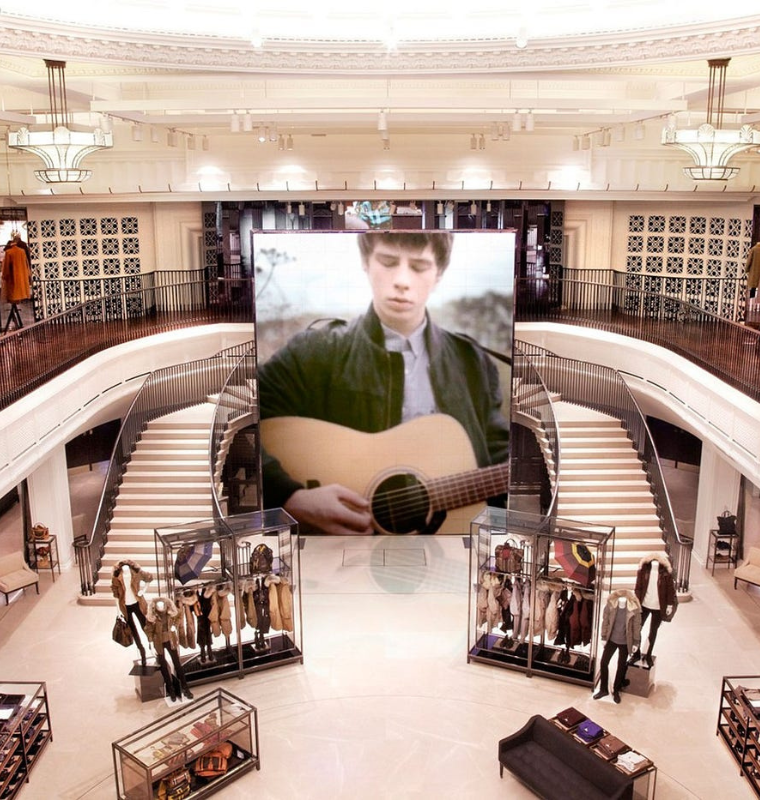
Photo: Luxury Leisure Influence
The Evolution of Elite Social Spaces
Private members clubs are no longer relics of old world aristocracy. They have evolved into modern ecosystems where wealth influence and culture intersect. Today these spaces attract entrepreneurs creatives investors and global citizens who seek more than luxury they seek belonging and relevance.
Why Traditional Status Symbols Are Fading
Public displays of wealth such as extravagant parties or high profile consumption are losing appeal among new age elites. Many affluent individuals prefer environments that reflect intellect discretion and shared values. Private clubs offer a refined alternative where status is quietly acknowledged rather than loudly announced.
Curated Membership as the New Gatekeeper
The true value of private members clubs lies in who is allowed inside. Admission processes are increasingly selective focusing on mindset contribution and alignment rather than net worth alone. This careful curation enhances trust and creates communities where members feel intellectually and socially enriched.
Networking With Purpose and Depth
Unlike conventional social venues these clubs prioritize meaningful interaction. Members gain access to conversations partnerships and collaborations that would be difficult to initiate elsewhere. Relationships formed in these spaces often translate into business ventures creative projects and long term alliances.
The Rise of the Global Club Member
Modern elites are global in outlook and mobility. Many private clubs now operate across major cities allowing members to access familiar environments worldwide. This continuity provides a sense of home and consistency for individuals who operate across borders and industries.
Design Atmosphere and Intentional Privacy
Architecture and interior design play a critical role in shaping the club experience. Spaces are designed to encourage comfort discretion and prolonged engagement. The absence of cameras publicity and digital noise reinforces privacy which has become one of the most valued luxuries.
Cultural Programming as a Status Marker
Private members clubs increasingly host curated events such as private talks art previews wellness sessions and intellectual salons. These experiences reflect cultural capital rather than material excess. Participation signals taste curiosity and engagement with contemporary thought.
Appeal Among Younger Wealth Creators
Entrepreneurs and self made wealth creators are driving renewed demand for these clubs. They value environments that support creativity learning and peer exchange. For them the club is not a retreat from work but an extension of their personal and professional identity.
Impact on Urban Luxury Landscapes
The resurgence of private members clubs is influencing how cities define luxury districts. These clubs often anchor high value neighborhoods and attract complementary businesses. Their presence subtly reshapes urban culture by prioritizing community over spectacle.
A New Hierarchy of Social Capital
Social standing within elite circles is increasingly defined by access and contribution rather than visibility. Private members clubs function as modern filters of influence where ideas reputation and trust determine status. This marks a shift toward quieter more intentional forms of power.
The Future of Elite Socialization
As wealth culture continues to evolve private members clubs are likely to play an even greater role. They represent a move away from performative luxury toward authentic connection and intellectual enrichment. For the new age elite true status lies in access to meaningful circles rather than public admiration.



Subscribe to unlock premium content
Sed at tellus, pharetra lacus, aenean risus non nisl ultricies commodo diam aliquet arcu enim eu leo porttitor habitasse adipiscing porttitor varius ultricies facilisis viverra lacus neque.
A comprehensive guide on Agile development

10 Productivity tools that are worth checking out

Top 7 Must have management tools for productivity

A comprehensive guide on Agile development
10 Productivity tools that are worth checking out
A comprehensive guide on Agile development