

Private Members Only Cities Gain Traction as the Ultra Wealthy Seek Controlled Living Environments
By
John Carter
Last updated:
January 25, 2026
First Published:
January 25, 2026

.webp)
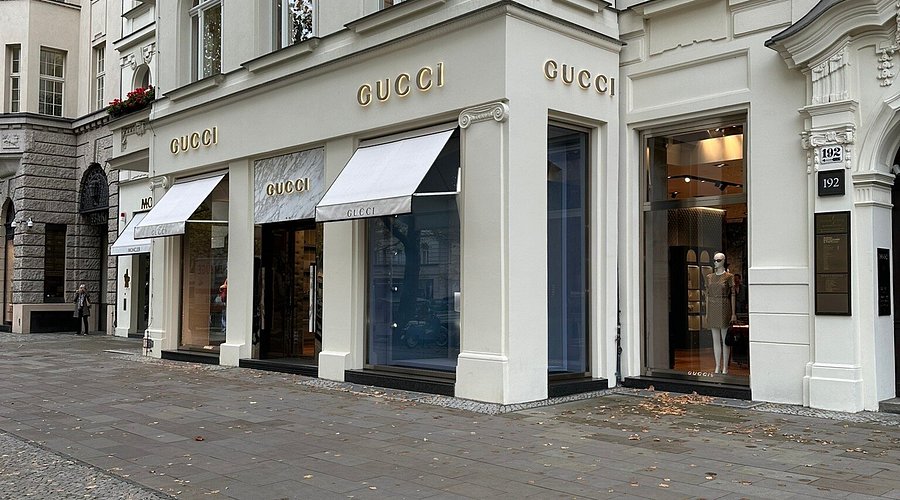
Photo: Forbes
The rise of invitation based urban living
Private members only cities are emerging as a response to growing concerns around privacy safety and lifestyle control among the ultra wealthy. These developments are not simply gated neighborhoods but fully planned cities where residency is granted through strict membership criteria. Wealthy individuals are increasingly drawn to environments where access is curated and every aspect of daily life is designed to align with elite expectations.
Why traditional luxury enclaves are no longer enough
For decades luxury living meant penthouses private islands or guarded estates. However global uncertainty population density and digital exposure have made these options feel less secure and less exclusive. Members only cities promise a new level of insulation where residents share similar financial capacity values and long term vision. This uniformity reduces friction and enhances comfort.
A controlled ecosystem designed for elite lifestyles
These cities operate as closed ecosystems offering private healthcare education retail dining and recreation exclusively for members. Services are tailored to high net worth lifestyles with an emphasis on discretion efficiency and personalization. From private medical facilities to invitation only cultural events the environment is built to remove unpredictability from everyday life.
Membership as the new status symbol
In these developments wealth alone is not always enough. Prospective residents often undergo background reviews social vetting and long term commitment assessments. Membership itself becomes a symbol of status replacing visible luxury consumption. Being accepted into such a city signals not just financial power but social alignment and trustworthiness within elite circles.
Security privacy and autonomy at the core
One of the strongest drivers behind this trend is the desire for enhanced security and privacy. Members only cities deploy advanced surveillance private security forces and controlled digital infrastructure. Residents benefit from reduced public exposure and greater autonomy over how their personal data and movements are managed.
Economic efficiency hidden beneath luxury
While these cities are expensive they are also designed for economic efficiency. Shared private infrastructure reduces reliance on public systems and minimizes inefficiencies common in traditional cities. Wealthy residents view this as a long term value proposition rather than a short term indulgence.
Global hotspots leading the movement
Such developments are gaining traction in regions known for political stability favorable tax policies and luxury real estate demand. Coastal regions desert hubs and strategically located financial centers are becoming preferred locations. Developers are positioning these cities as future safe havens for global wealth.
Social cohesion through curated communities
Unlike conventional cities where diversity is organic members only cities prioritize cohesion. Residents often share similar business interests cultural outlooks and lifestyle preferences. This creates a sense of community that feels intentional rather than accidental fostering deeper trust and collaboration among residents.
What this trend signals about the future of wealth
The move toward private cities reflects a broader shift in how the wealthy perceive freedom and success. Control predictability and privacy are becoming more valuable than visibility. Wealth is no longer about access to everything but about exclusion from instability and noise.



Subscribe to unlock premium content
Sed at tellus, pharetra lacus, aenean risus non nisl ultricies commodo diam aliquet arcu enim eu leo porttitor habitasse adipiscing porttitor varius ultricies facilisis viverra lacus neque.
A comprehensive guide on Agile development

10 Productivity tools that are worth checking out

Top 7 Must have management tools for productivity

A comprehensive guide on Agile development
10 Productivity tools that are worth checking out
A comprehensive guide on Agile development