
Record Millionaire Migration Wave Reshapes Global Wealth Hubs From Singapore to Portugal in 2026
By
Maya K.
Last updated:
June 18, 2026
First Published:
June 18, 2026

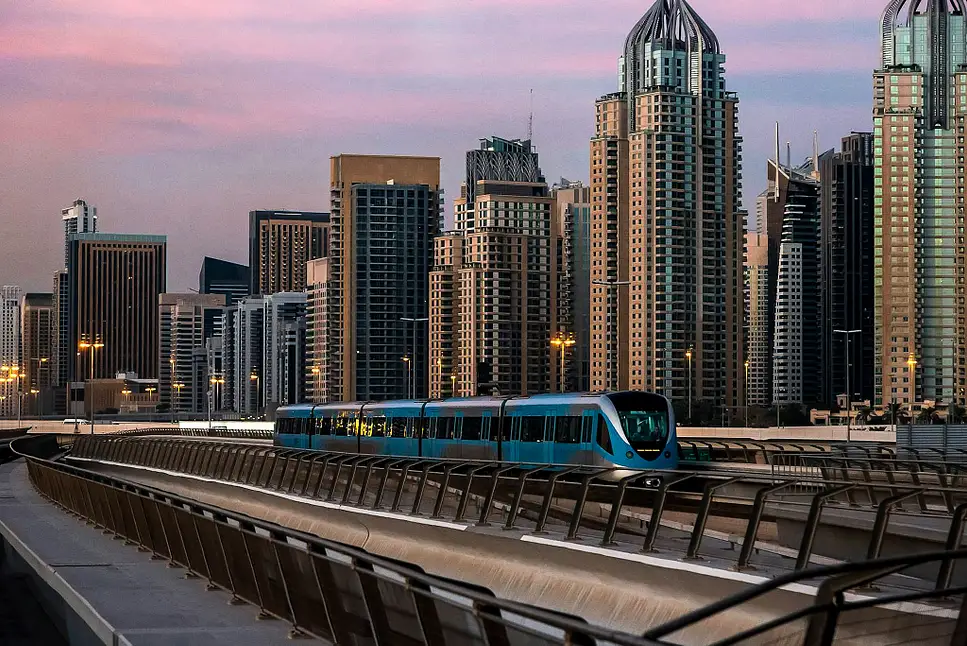
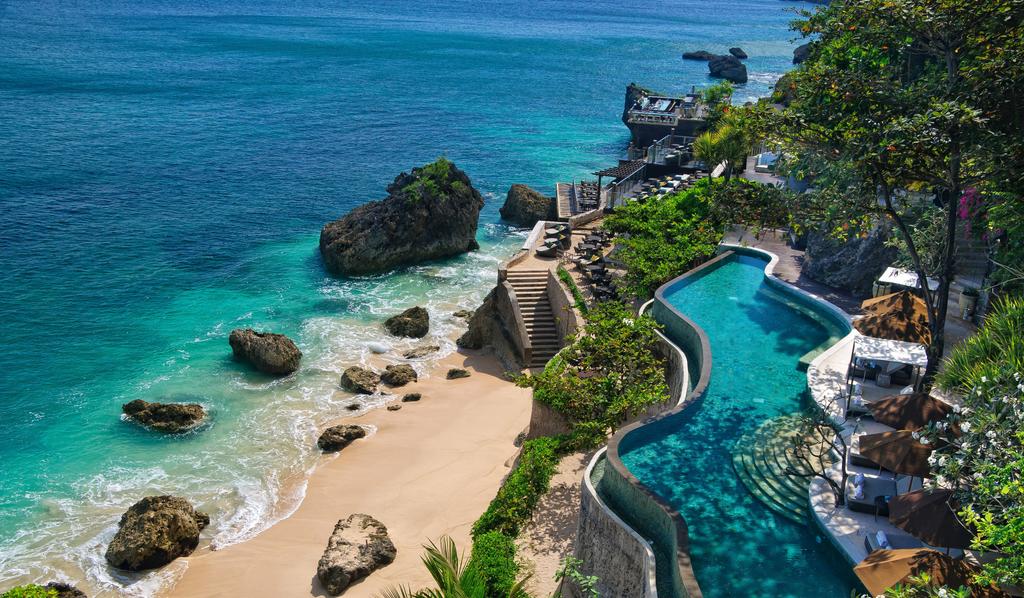
Photo: Gallery Luxury World Magazine
A remarkable shift is taking place across the global wealth landscape in 2026. High net worth individuals are moving across borders at a pace rarely seen before, creating a powerful millionaire migration wave that is redefining where wealth is concentrated. From the thriving financial districts of Singapore to the sun drenched coastlines of Portugal, affluent individuals are increasingly choosing new destinations that align with their financial goals, lifestyle preferences, and long term security needs.
This movement is doing more than changing residential addresses. It is reshaping luxury property markets, private investment networks, business ecosystems, and the future of several emerging wealth hubs around the world. As governments compete to attract wealthy residents and entrepreneurs, the geography of global wealth is undergoing a significant transformation.
The Rise of Global Wealth Mobility
The concept of wealth mobility has become one of the defining trends of the modern economy. Unlike previous generations, today's wealthy individuals often operate businesses, manage investments, and maintain personal connections across multiple countries simultaneously.
Technology has made international living easier than ever before. Remote work capabilities, digital banking solutions, global investment platforms, and streamlined travel options allow affluent individuals to relocate without sacrificing business opportunities. This flexibility has encouraged many millionaires to reassess where they live and where they wish to build their futures.
As a result, relocation decisions are increasingly influenced by quality of life, tax efficiency, economic stability, and access to global opportunities.
Why Millionaires Are Seeking New Destinations
Several factors are driving this unprecedented migration trend. Economic uncertainty in some regions has encouraged wealthy families to diversify their personal and financial exposure by establishing residences in multiple countries.
Political stability has become a major consideration. Affluent individuals often seek locations where government policies support entrepreneurship, investment growth, and wealth preservation. Access to world class healthcare, education, and infrastructure also plays a significant role in relocation decisions.
Safety remains another critical factor. Families increasingly prioritize environments that offer personal security and long term stability for future generations. These considerations collectively influence where wealth ultimately settles.
Singapore Emerges as a Premier Wealth Magnet
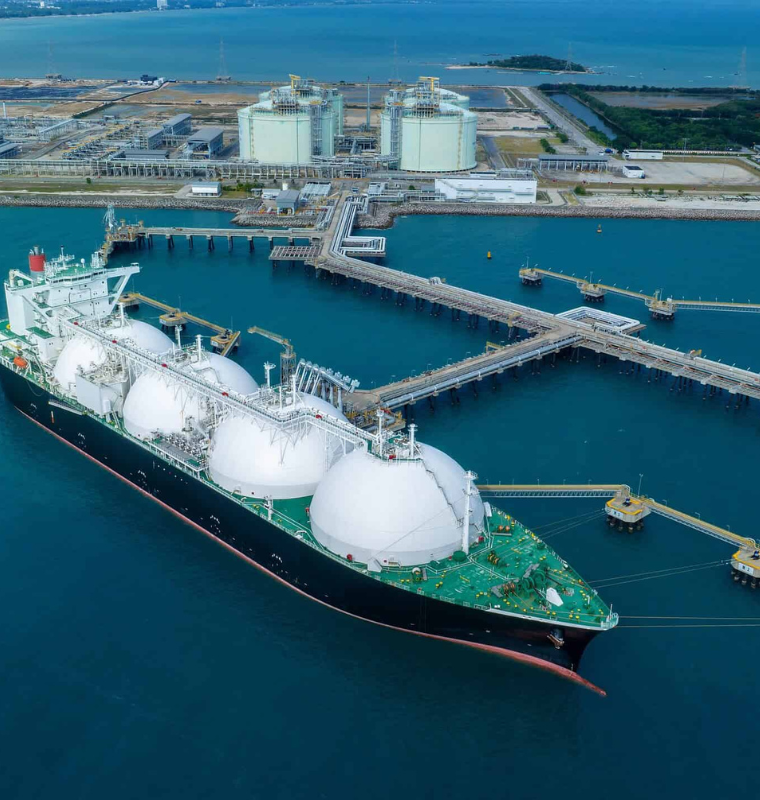
Singapore continues to strengthen its position as one of the world's most attractive destinations for wealthy individuals. The city state offers a unique combination of economic stability, sophisticated financial services, exceptional infrastructure, and business friendly regulations.
Many entrepreneurs view Singapore as a strategic gateway to Asia's rapidly expanding markets. Its strong legal framework and efficient governance create confidence among investors seeking long term certainty.
Luxury residential developments, private banking services, and elite educational institutions have expanded significantly in response to growing demand from international wealth holders. This influx of affluent residents continues to reinforce Singapore's reputation as a premier global wealth hub.
Portugal's Growing Appeal Among Global Investors
Portugal has emerged as one of the most attractive destinations for wealthy individuals seeking both lifestyle and investment opportunities. The country offers a compelling blend of cultural richness, pleasant climate, high quality living standards, and expanding luxury real estate options.
Affluent buyers are increasingly drawn to coastal regions, historic urban centers, and exclusive residential communities. Beyond lifestyle advantages, Portugal provides access to European markets and a stable environment that appeals to international investors.
The growing presence of entrepreneurs, retirees, and business owners has contributed to rising demand for premium properties and luxury services throughout the country.
The Luxury Real Estate Boom
One of the most visible consequences of millionaire migration is the surge in luxury property demand. As wealthy individuals establish residences in new destinations, prime real estate markets often experience substantial growth.
High end apartments, waterfront estates, private villas, and exclusive residential developments have become highly sought after assets. Developers are responding by creating properties tailored specifically to the needs of globally mobile wealth holders.
Luxury real estate increasingly serves multiple purposes. Beyond providing residences, these properties function as wealth preservation tools, investment assets, and symbols of global status.
Family Offices Follow the Wealth
As millionaires relocate, family offices and private wealth management firms frequently follow. These organizations oversee investments, succession planning, tax strategies, and asset protection for affluent families.
The movement of wealth has encouraged financial institutions to establish stronger presences in emerging wealth centers. Cities that successfully attract wealthy residents often experience growth in financial services, legal advisory firms, investment consultancies, and luxury lifestyle providers.
This creates a powerful economic multiplier effect that benefits local economies and enhances the attractiveness of these destinations for future investors.
Entrepreneurs Are Driving the Trend
A significant portion of migrating millionaires consists of entrepreneurs and business founders. These individuals often seek locations that provide access to talent, capital, innovation networks, and international markets.
Modern entrepreneurs view geography differently than previous generations. Rather than remaining tied to a single location, they increasingly establish global footprints that support both business growth and personal flexibility.
As entrepreneurial wealth expands, countries that encourage innovation and business development are becoming major beneficiaries of international wealth migration.
The Impact on Local Economies
The arrival of affluent residents can generate substantial economic benefits for host countries. Wealthy individuals contribute through property purchases, business investments, job creation, philanthropy, and consumer spending.
Luxury retail sectors, hospitality industries, professional services firms, and premium healthcare providers often experience increased demand. This influx of capital can stimulate economic activity and support broader development initiatives.
At the same time, policymakers must carefully balance growth with affordability concerns to ensure sustainable economic progress for local communities.
Competition Among Wealth Destinations Intensifies
Governments around the world increasingly recognize the economic value of attracting affluent residents. As a result, competition among wealth destinations has become more intense.
Countries are developing strategies to appeal to global investors through regulatory reforms, investment programs, infrastructure improvements, and business incentives. Success in attracting wealthy individuals can generate long term benefits that extend far beyond immediate economic gains.
This competitive environment is likely to encourage further innovation in how nations position themselves within the global wealth ecosystem.
The Future of Millionaire Migration
The forces driving millionaire migration show little sign of slowing. Economic globalization, technological advancement, and changing lifestyle priorities continue to support increased mobility among affluent individuals.
Future wealth hubs may emerge in regions that successfully combine financial opportunity with exceptional quality of life. Cities and countries that embrace innovation, stability, and global connectivity are likely to attract a growing share of the world's wealthy population.
As the movement of wealth becomes increasingly dynamic, the traditional map of global affluence will continue evolving in unexpected ways.
A New Era for Global Wealth Centers
The millionaire migration wave of 2026 represents more than a temporary trend. It marks a fundamental shift in how wealth is distributed and managed across the world. Individuals with significant resources are becoming increasingly selective about where they live, invest, and build their legacies.
From Singapore's financial strength to Portugal's lifestyle appeal, the destinations attracting affluent residents today are helping define the next generation of global wealth centers. Their success reflects a broader reality of the modern economy where talent, capital, and opportunity move more freely than ever before.
For investors, entrepreneurs, and policymakers alike, understanding these migration patterns offers valuable insight into the future direction of wealth, luxury, and global influence.


Subscribe to unlock premium content
Sed at tellus, pharetra lacus, aenean risus non nisl ultricies commodo diam aliquet arcu enim eu leo porttitor habitasse adipiscing porttitor varius ultricies facilisis viverra lacus neque.
A comprehensive guide on Agile development

10 Productivity tools that are worth checking out

Top 7 Must have management tools for productivity

A comprehensive guide on Agile development
10 Productivity tools that are worth checking out
A comprehensive guide on Agile development