
Rolex Raises Gold Watch Prices Again in 2026 as Demand From Elite Collectors Remains Strong
By
Sophie Moore
Last updated:
June 16, 2026
First Published:
June 16, 2026

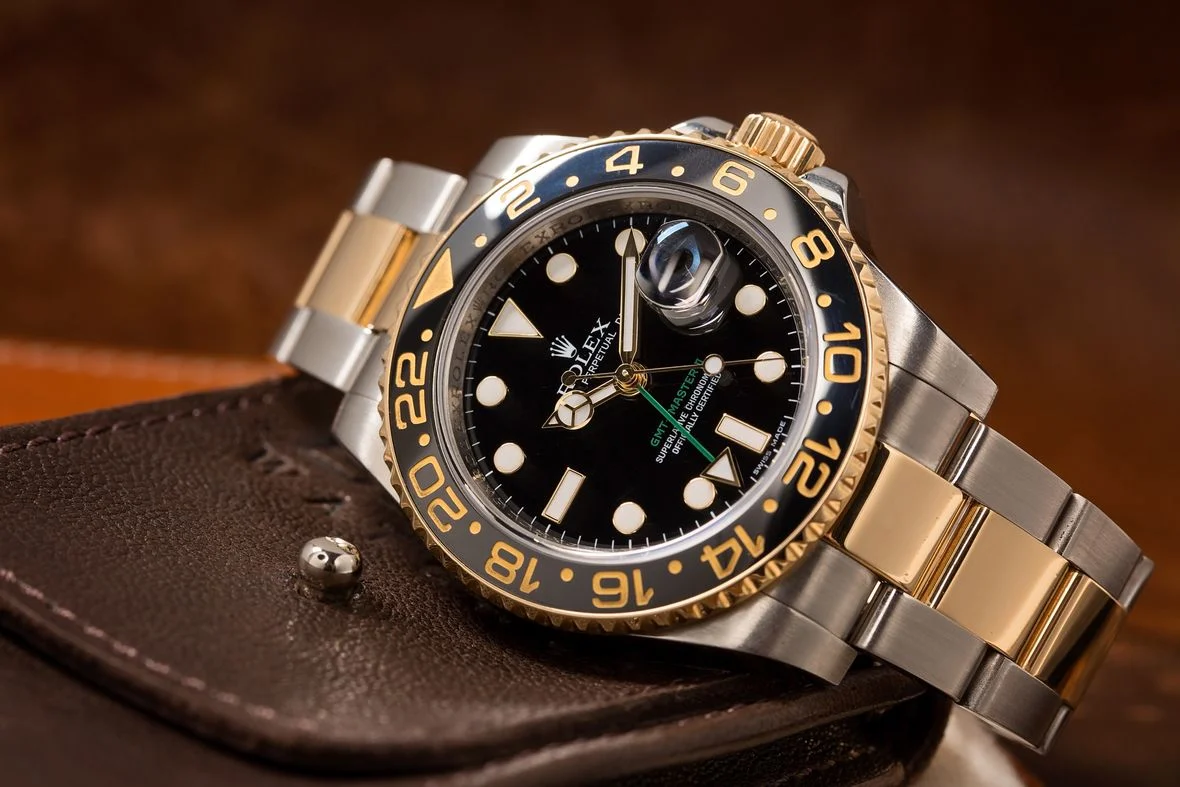
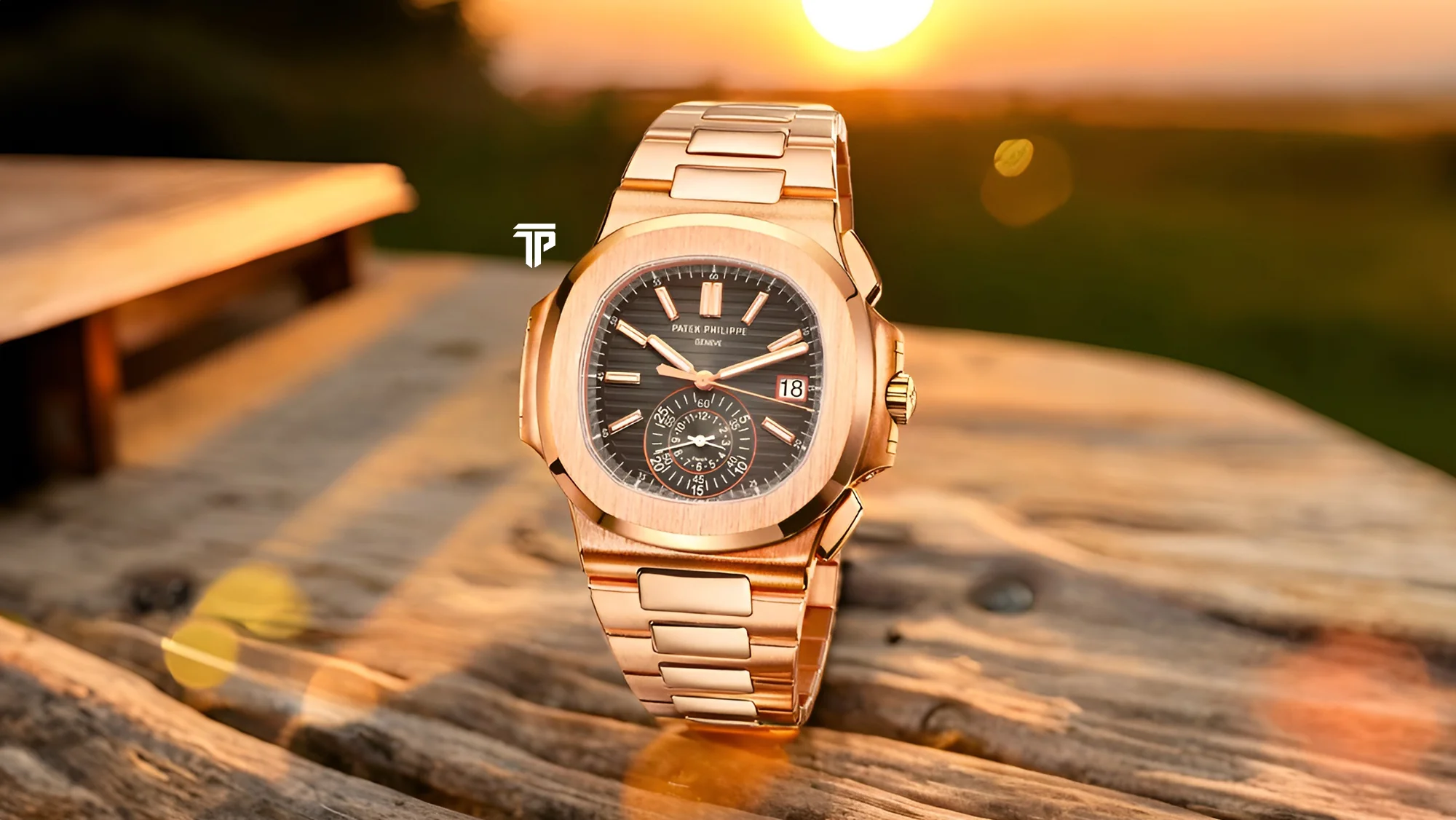
Photo: Luxury Watches USA
The global luxury watch industry entered another significant chapter in 2026 as Rolex implemented a fresh increase in the prices of its gold timepieces. While rising prices might typically discourage buyers, the reaction from elite collectors and affluent consumers has been notably different. Demand remains remarkably strong, reinforcing the position of Rolex as one of the most influential names in luxury goods.
For many observers, the development highlights a broader trend occurring across the luxury sector. Wealthy consumers continue to spend confidently on products that offer heritage, exclusivity, and long term value. Rather than viewing premium watches as simple accessories, many buyers now regard them as collectible assets capable of preserving prestige and financial worth over time.
This latest price adjustment provides valuable insight into how luxury brands maintain their status while navigating changing economic conditions and evolving consumer expectations.
Why Rolex Holds Such Extraordinary Market Power
Few luxury brands possess the global recognition enjoyed by Rolex. For decades, the company has built a reputation based on precision, craftsmanship, durability, and timeless design. Its watches have become symbols of achievement, success, and personal accomplishment.
Unlike many luxury products that experience changing trends, Rolex has successfully created designs that remain desirable across generations. Certain models have become icons within the watch industry, attracting demand from collectors, investors, and enthusiasts worldwide.
This consistent appeal allows the company to exercise pricing power that many businesses can only dream of. Buyers often continue purchasing despite increases because they perceive the product as retaining both cultural and financial value.
Gold Watches Occupy a Unique Position
Gold watches represent a particularly prestigious segment within the Rolex portfolio. These pieces combine the appeal of luxury craftsmanship with the intrinsic value of precious metals. For many collectors, this combination creates a product that feels both emotionally rewarding and financially meaningful.
Gold models often serve as statement pieces that reflect personal achievement and refined taste. Their exclusivity enhances desirability among affluent consumers who seek products capable of distinguishing them from mass market alternatives.
As global wealth continues to expand, demand for these premium timepieces remains strong, allowing manufacturers to introduce price adjustments without significantly reducing buyer interest.
The Growing Role of Watches as Alternative Assets
Luxury watches have increasingly attracted attention from investors seeking alternative stores of value. Over the past decade, certain timepieces have demonstrated impressive appreciation in secondary markets, encouraging more individuals to view watch collecting as part of a broader wealth strategy.
This shift has transformed the relationship between consumers and luxury watches. Buyers are no longer motivated solely by aesthetics or craftsmanship. Many also consider rarity, future demand, and long term market performance when making purchasing decisions.
Rolex occupies a particularly strong position within this environment because its reputation supports both collector interest and resale market confidence. This dynamic continues to strengthen demand even as prices rise.
Wealth Creation Is Fueling Collector Activity
The expansion of global wealth has introduced new buyers into the luxury watch market. Entrepreneurs, executives, investors, and business owners from diverse regions are increasingly participating in high end collecting.
As personal fortunes grow, luxury watches often become one of the first categories through which individuals express their success. A premium timepiece serves not only as a functional object but also as a symbol of accomplishment and personal identity.
This steady influx of affluent buyers helps sustain demand across multiple market segments, particularly for prestigious brands with established reputations.
Scarcity Enhances Exclusivity
One of the most important factors supporting Rolex pricing is controlled availability. Luxury brands understand that exclusivity plays a crucial role in maintaining desirability. By carefully managing production and distribution, Rolex creates an environment where demand frequently exceeds supply.
Collectors often face waiting periods for highly sought after models. This scarcity contributes to the perception that ownership represents a special achievement rather than a routine purchase.
As a result, price increases are often accepted more readily because buyers continue to perceive the product as rare and highly desirable. Scarcity has become one of the most powerful tools in luxury brand strategy.
The Emotional Appeal of Luxury Timepieces
Beyond investment considerations, luxury watches continue to carry significant emotional value. Many purchases mark important milestones such as career achievements, business successes, anniversaries, or family celebrations.
Owners frequently develop personal connections to their watches, viewing them as symbols of memorable moments and hard earned accomplishments. Unlike many consumer products that quickly lose relevance, luxury watches often remain meaningful for decades.
This emotional connection strengthens customer loyalty and helps explain why demand remains resilient despite higher prices. Buyers are investing in experiences, memories, and personal narratives rather than simply acquiring an object.
The Influence of Global Luxury Culture
Luxury culture has become increasingly international. Social media, digital communities, and global travel have expanded awareness of premium brands among affluent audiences worldwide.
Collectors now interact with fellow enthusiasts across continents, sharing insights, collections, and market perspectives. This interconnected environment has elevated the visibility and desirability of prestigious watch brands.
Rolex continues to benefit from this global attention. Its watches are recognized in virtually every major luxury market, giving the company extraordinary influence within the industry.
What the Price Increase Signals for the Industry
The decision to raise prices reflects confidence in both brand strength and market demand. Luxury companies generally avoid significant pricing adjustments unless they believe customers will continue purchasing at higher levels.
For the broader watch industry, the move signals ongoing optimism regarding affluent consumer spending. It suggests that demand for premium craftsmanship, exclusivity, and heritage remains healthy despite broader economic uncertainties.
Other luxury brands will likely monitor the market response closely as they evaluate their own pricing strategies and growth opportunities.
Looking Ahead
The latest increase in Rolex gold watch prices demonstrates the enduring strength of the luxury watch market. While rising costs may create higher barriers for some buyers, they have done little to diminish enthusiasm among collectors and wealthy consumers.
As global wealth continues to expand and luxury assets gain importance within investment portfolios, premium timepieces are likely to remain highly desirable. Their combination of craftsmanship, exclusivity, prestige, and potential value retention gives them a unique position within the luxury landscape.
For Rolex, the current momentum reinforces its status as more than a watchmaker. It remains a symbol of achievement, a trusted luxury institution, and an enduring force within the world of wealth and collecting. The continued willingness of buyers to embrace higher prices suggests that the appeal of exceptional timepieces remains as strong as ever.
Subscribe to unlock premium content
Sed at tellus, pharetra lacus, aenean risus non nisl ultricies commodo diam aliquet arcu enim eu leo porttitor habitasse adipiscing porttitor varius ultricies facilisis viverra lacus neque.
A comprehensive guide on Agile development

10 Productivity tools that are worth checking out

Top 7 Must have management tools for productivity

A comprehensive guide on Agile development
10 Productivity tools that are worth checking out
A comprehensive guide on Agile development