
Royal Inspired Mega Weddings Return as Global Elites Spend Up to 50 Million Dollars on One Event
By
Sophie Moore
Last updated:
May 14, 2026
First Published:
May 14, 2026


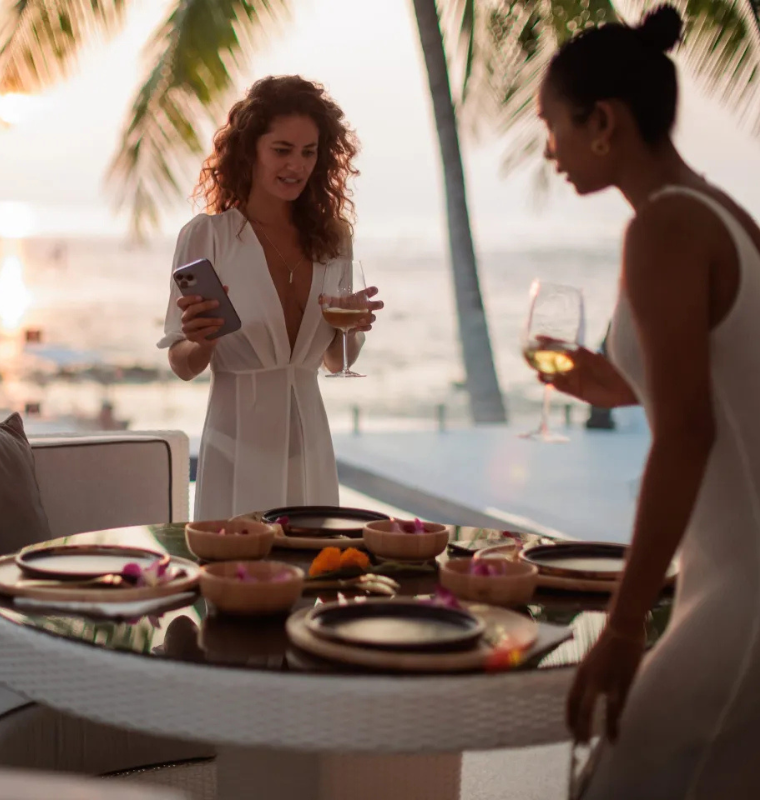
Photo: Tatler Asia
The Revival of Grand Royal Scale Celebrations
In 2026, mega weddings inspired by royal traditions have made a dramatic comeback among the global elite. These are no longer simple ceremonies or even large luxury weddings. They have evolved into multi day, multi venue productions that resemble state level events more than personal celebrations.
Ultra wealthy families across Europe, the Middle East, and Asia are investing extraordinary sums, sometimes reaching up to 50 million dollars for a single wedding. The scale of these events reflects not only personal joy but also status, influence, and global visibility.
What distinguishes these weddings is their intention. They are designed to be remembered as historical moments rather than private ceremonies. Every detail is carefully engineered to project legacy, prestige, and cultural significance.
Why Mega Weddings Have Become a Wealth Statement
For the world’s richest families, weddings have become one of the most visible ways to display influence. Unlike assets such as real estate or private investments, weddings are public, emotional, and highly symbolic.
In elite circles, the size and sophistication of a wedding is often interpreted as a reflection of family stature. The more elaborate the event, the stronger the message of global prominence.
This cultural shift has led to a new category of luxury spending where families are willing to allocate enormous budgets for experiences that last only a few days but create lifelong social impact.
Wedding planners now operate more like luxury production studios, coordinating architects, designers, chefs, entertainers, security teams, and cultural consultants on a global scale.
Multi City Wedding Experiences and Global Venues
One of the defining features of modern mega weddings is their multi location structure. Instead of hosting a single ceremony in one venue, elite families now organize events across multiple cities and even countries.
A typical royal inspired wedding may begin with a private engagement ceremony in a historic European palace, followed by a cultural celebration in the Middle East, and conclude with a grand reception on a private island or luxury resort in Asia.
Each location is carefully selected to reflect heritage, influence, and personal identity. These transitions between countries require complex logistics, including private aviation fleets, security coordination, and custom hospitality arrangements.
The result is a wedding experience that feels more like a global journey than a single event.
The Rise of Bespoke Luxury Production Teams
Behind every mega wedding is an extensive network of luxury production experts. These teams include designers, architects, floral engineers, lighting specialists, choreographers, culinary artists, and even cinematic directors.
Their role is to transform abstract ideas into immersive environments. Entire palaces are redesigned temporarily, deserts are turned into illuminated banquet spaces, and coastal resorts are converted into private kingdoms for a few days.
Some production teams begin planning weddings more than a year in advance, working closely with families to design every emotional and visual detail.
Nothing is left to chance. Every moment is scripted to achieve maximum aesthetic impact while maintaining cultural authenticity and personal storytelling.
Fashion as a Central Element of Prestige
In royal inspired weddings, fashion plays a central role. Bridal couture is no longer limited to a single dress. Instead, multiple custom designed outfits are created for different stages of the celebration.
Luxury fashion houses collaborate directly with elite families to produce one of a kind garments featuring hand embroidery, rare fabrics, and gemstone detailing. Grooms also participate in custom tailoring experiences that reflect cultural heritage and modern sophistication.
Jewelry selection is equally important. Many pieces are designed specifically for the event and later become heirlooms passed through generations.
Fashion at this level is not about trends. It is about legacy creation through wearable art.
Entertainment on a Grand Scale
Entertainment at these mega weddings has evolved into full scale productions featuring internationally renowned performers, orchestras, and artistic collaborations.
Some weddings include private concerts by global music icons, while others feature theatrical storytelling performances that narrate the couple’s journey in symbolic form.
Advanced stage design, holographic visuals, and immersive sound engineering are often used to transform venues into cinematic experiences.
Guests are not simply attending a wedding. They are participating in a curated cultural event designed to evoke emotion, wonder, and exclusivity.
Culinary Experiences Crafted by World Class Chefs
Food at royal inspired weddings is treated as a luxury art form. Michelin starred chefs are often flown in from multiple countries to design custom menus for each segment of the celebration.
Menus are tailored to reflect cultural diversity, seasonal ingredients, and personal preferences of the families involved. Some weddings feature multiple dining experiences ranging from traditional royal banquets to experimental molecular gastronomy showcases.
Presentation is just as important as taste. Entire dining halls are designed to resemble palatial settings with thematic decor, sculpted table arrangements, and synchronized service choreography.
Dining becomes a central emotional experience rather than a simple meal.
Security and Privacy at the Highest Level
With events of this scale and visibility, security becomes a critical priority. Mega weddings often involve private security firms, advanced surveillance systems, and discreet coordination with international authorities.
Many venues are fully secured before guests arrive, with controlled access points, biometric entry systems, and private transport routes.
Despite the scale of these events, elite families place strong emphasis on maintaining privacy. Media access is highly restricted, and details are often carefully curated to control public perception.
In some cases, guests are required to sign confidentiality agreements to protect the exclusivity of the celebration.
The Economic Impact of Ultra Luxury Weddings
The financial ecosystem surrounding mega weddings is massive. Entire industries benefit from these events, including luxury hospitality, aviation, fashion, entertainment, security, and event production.
A single 50 million dollar wedding can involve hundreds of vendors across multiple countries. Local economies near selected venues often experience temporary surges in demand for premium services and hospitality infrastructure.
Luxury tourism boards and private estate developers also use these events as opportunities to showcase destinations to future elite clients.
The ripple effect of a single wedding extends far beyond the ceremony itself.
The Emotional Meaning Behind Extreme Celebrations
Despite their scale and extravagance, these weddings are ultimately deeply emotional events. For elite families, they represent continuity, unity, and legacy.
The grandeur is not only about wealth display but also about creating moments that feel timeless and historically significant. Families see these celebrations as milestones that will be remembered across generations.
Psychologists observing luxury culture suggest that mega weddings fulfill both emotional and social needs. They allow individuals to express identity while reinforcing family bonds on a global stage.
The Future of Elite Wedding Culture
Royal inspired mega weddings are likely to continue evolving as wealth expands globally and luxury expectations increase. Technology, personalization, and cultural fusion will play even greater roles in shaping future celebrations.
What began as private ceremonies has transformed into global luxury productions that blend tradition with innovation.
In 2026, the ultimate expression of love among the ultra wealthy is no longer just a wedding. It is a once in a lifetime spectacle designed to define legacy itself.


Subscribe to unlock premium content
Sed at tellus, pharetra lacus, aenean risus non nisl ultricies commodo diam aliquet arcu enim eu leo porttitor habitasse adipiscing porttitor varius ultricies facilisis viverra lacus neque.
A comprehensive guide on Agile development

10 Productivity tools that are worth checking out

Top 7 Must have management tools for productivity

A comprehensive guide on Agile development
10 Productivity tools that are worth checking out
A comprehensive guide on Agile development