
Space Tourism Luxury Tier Expands with Multi Day Orbital Retreat Packages Targeting Ultra High Income Travelers
By
Sophie Moore
Last updated:
April 13, 2026
First Published:
April 13, 2026

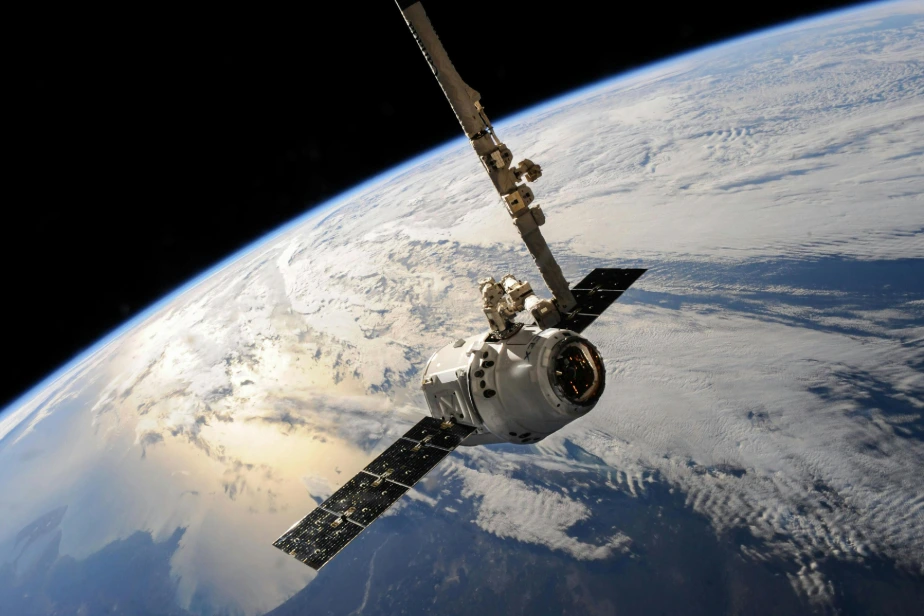
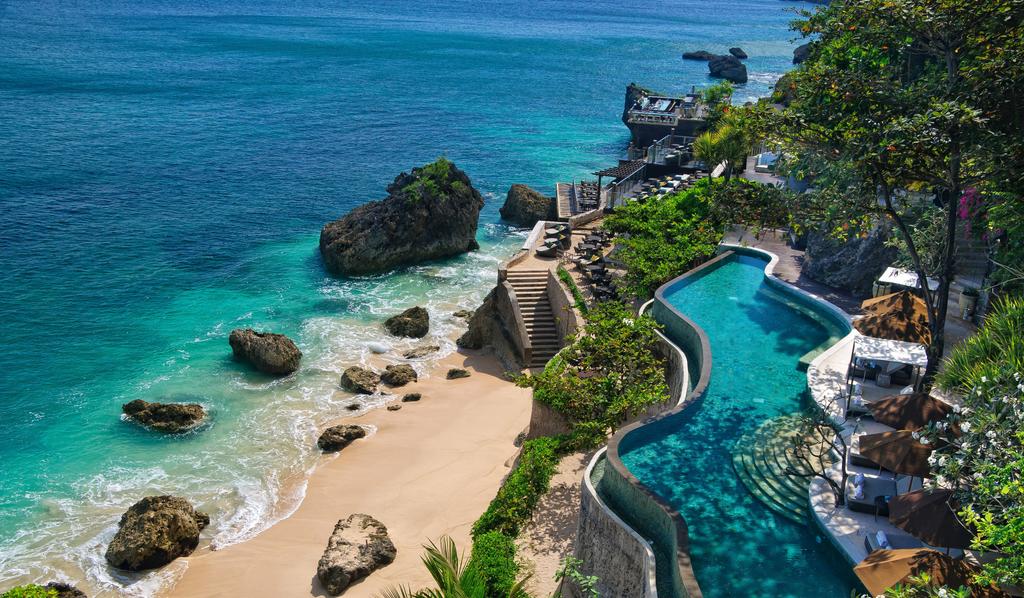
Photo: The Super Prime
In 2026, space tourism has moved beyond short suborbital experiences and is entering a new phase defined by multi day orbital retreats designed exclusively for ultra high income travelers. This emerging luxury tier is transforming space from a scientific frontier into a high end hospitality environment with curated experiences, private modules, and extended stays in low Earth orbit.
The latest offerings focus on duration and comfort rather than brief spectacle. Instead of minutes of weightlessness, guests are now spending several days aboard privately operated orbital stations equipped with luxury accommodations, observation lounges, and personalized service systems designed to simulate terrestrial comfort in microgravity conditions.
Private aerospace companies are driving this expansion by developing modular space habitats that can support small groups of guests at a time. These structures are designed with a strong emphasis on safety, environmental control, and aesthetic experience. Interiors are being crafted to balance functional engineering with luxury hospitality standards.
Demand is being fueled by a growing segment of ultra wealthy individuals seeking experiential exclusivity that cannot be replicated on Earth. For this group, space travel represents not just transportation but a status defining achievement. The rarity and complexity of orbital access have made it one of the most exclusive offerings in the global luxury market.
Training programs for space tourists have also evolved significantly. Instead of long and physically demanding astronaut preparation, simplified conditioning protocols are now available for high net worth clients. These programs focus on safety orientation, microgravity adaptation, and emergency response familiarity rather than full mission training.
Luxury service providers are collaborating with aerospace firms to design curated orbital experiences. These include Earth observation sessions, zero gravity dining arrangements, and controlled leisure activities that allow guests to experience life beyond traditional planetary boundaries while maintaining comfort and safety.
The economics of orbital tourism remain highly premium, but investors are beginning to view the sector as a long term growth market. Early stage funding is flowing into space hospitality infrastructure, including orbital docking systems, reusable transport vehicles, and sustainable life support technologies.
However, challenges remain in scaling these experiences. High operational costs, limited launch capacity, and strict safety regulations continue to restrict availability. As a result, access remains highly selective, reinforcing its exclusivity within the global wealth ecosystem.
Environmental and ethical discussions are also becoming more prominent as orbital travel expands. Critics question the resource intensity of space tourism, while proponents argue that technological advancements driven by this sector could benefit broader space exploration and scientific research initiatives.
Looking forward, multi day orbital retreats are positioning themselves as the pinnacle of luxury travel innovation. As infrastructure improves and launch systems become more efficient, space tourism is expected to evolve into a structured luxury industry rather than a rare novelty, redefining how the ultra wealthy experience travel itself.


Subscribe to unlock premium content
Sed at tellus, pharetra lacus, aenean risus non nisl ultricies commodo diam aliquet arcu enim eu leo porttitor habitasse adipiscing porttitor varius ultricies facilisis viverra lacus neque.
A comprehensive guide on Agile development

10 Productivity tools that are worth checking out

Top 7 Must have management tools for productivity

A comprehensive guide on Agile development
10 Productivity tools that are worth checking out
A comprehensive guide on Agile development