
The Great Villa Pivot: Why 2026 Marks the Decline of the Traditional Five Star Hotel
By
John Carter
Last updated:
March 23, 2026
First Published:
April 25, 2026

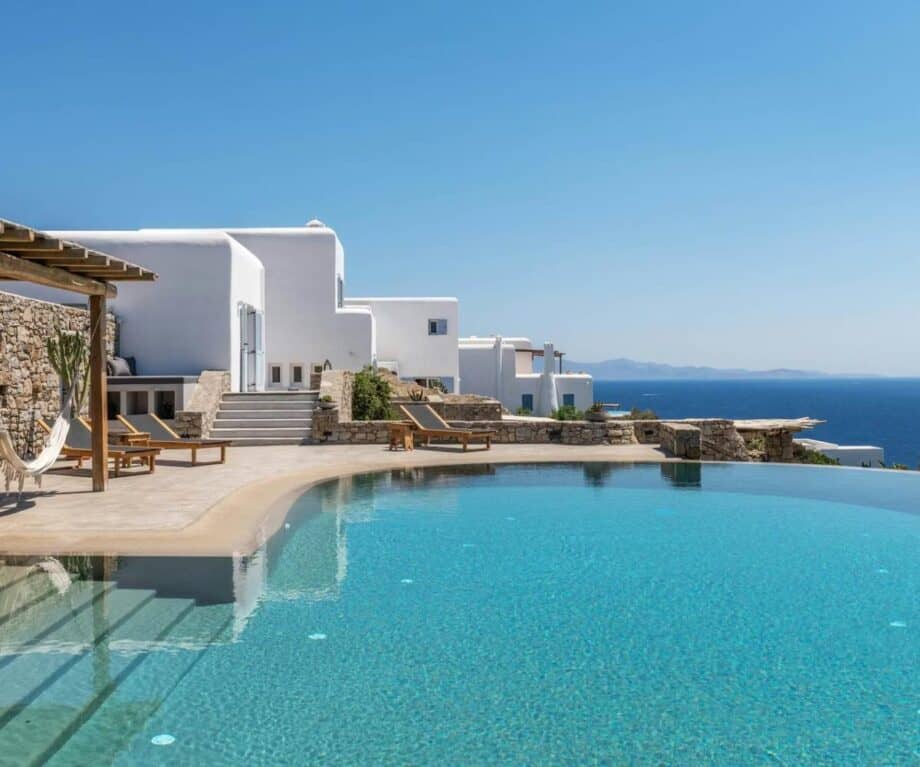
The traditional concept of the luxury hotel is facing a quiet but profound crisis of relevance among the worlds most affluent travelers. For decades, the gold standard of high end tourism was defined by the grand lobby, the Michelin starred on site restaurant, and the attentive white glove service of a five star brand. However, as we move through 2026, a significant shift has occurred. The ultra high net worth individual is increasingly rejecting the "shared luxury" of even the most exclusive hotels in favor of the "total sovereignty" offered by private villas. This transition is not merely about more space; it is about a fundamental desire for a controlled environment where the guest, not the hotel management, dictates the rhythm of the day.
The Psychological Need for Total Privacy in an Increasingly Public World
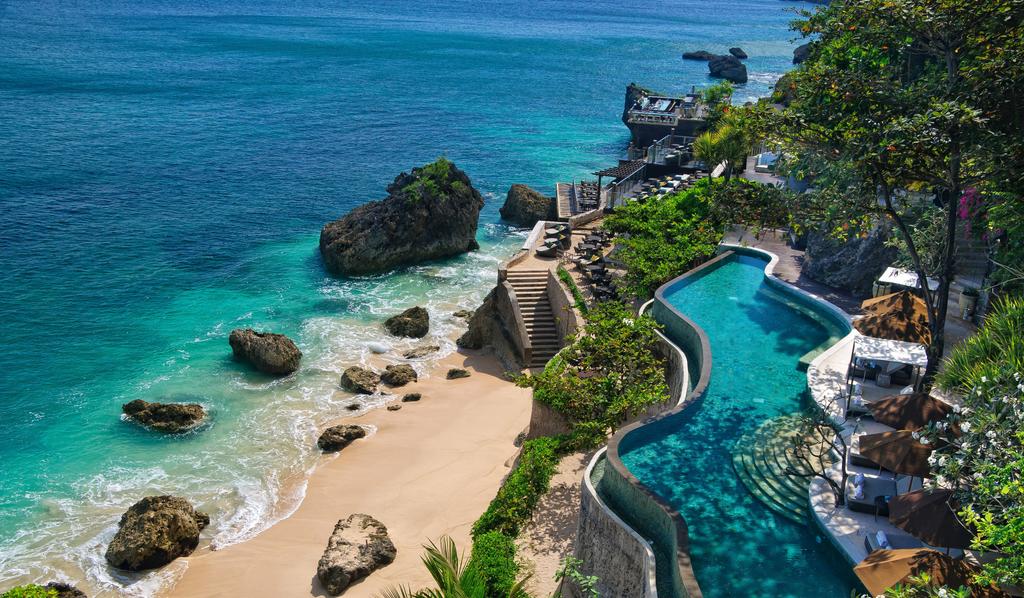
In an era of ubiquitous social media and constant digital surveillance, the ultimate luxury has become the ability to disappear. While a five star hotel offers a high degree of service, it still requires navigating common areas, elevators, and breakfast rooms where one is inevitably seen. For the modern titan of industry or high profile creative, the private villa represents a sanctuary where the public eye cannot reach. Places like the rugged coastlines of Ibiza or the secluded hills of Mykonos have seen a surge in "ultra villa" developments that function more like private compounds than vacation rentals. Here, the boundaries of the property are the boundaries of the guests world, allowing for a level of relaxation that is impossible in a communal building.
Customization Beyond the Limits of a Hotel Concierge
While a top tier hotel concierge can work wonders, they are ultimately bound by the infrastructure and policies of the institution. A private villa experience in 2026 is built from the ground up to reflect the specific whims of the inhabitant. This means the pantry is stocked with exact vintage labels before arrival, the gym is outfitted with the specific biohacking equipment the client uses at home, and the staff is handpicked to match the family’s temperament. This "hyper personalization" ensures that there is zero friction during the transition from work life to leisure. The villa becomes a temporary home that is arguably better than the primary residence, rather than a temporary room in a larger complex.
The Rise of the Branded Villa Collection and the Hybrid Model
Recognizing this shift, many legacy hotel brands are desperately trying to pivot by launching their own private villa collections. However, the savvy readers of RichReflector often find these "hotel villas" to be a half measure, as they still frequently rely on the main hotel’s infrastructure for dining and spa services. The true trendsetters are opting for independently managed estates that offer a "ghost staff"—professionals who are present and attentive but remain entirely invisible until summoned via secure apps. This model provides the seamless service of a hotel without the "institutional" feel that often accompanies branded properties, allowing the architecture and the natural surroundings to take center stage.
Sovereignty Over Time and the Death of the Hotel Schedule
One of the most frustrating aspects of hotel life for the ultra wealthy is the rigid adherence to schedules. Breakfast ends at ten, the pool closes at sunset, and spa appointments must be booked days in advance. In a private villa, time is a fluid concept. If a guest decides they want a five course tasting menu at two in the morning after a late night swim, the private chef is there to provide it. This autonomy over ones own schedule is a key driver of the "villa pivot." When you are paying tens of thousands of dollars per night, the idea of being told when you can and cannot eat or swim feels increasingly archaic and incompatible with a truly bespoke lifestyle.
Health Security and the Controlled Environment
The global health events of the early part of the decade left a lasting impression on the travel habits of the elite. There is now a permanent preference for "controlled biospheres." In a private villa, the air filtration systems, water purification, and overall cleanliness are under the direct supervision of the guests chosen team. There is no risk of encountering a crowd in a lobby or sharing a ventilation system with hundreds of strangers. This focus on "health security" has turned the private villa into a fortress of wellness, where the environment can be optimized for sleep, recovery, and longevity without any outside interference or biological risk.
Entertaining in the New Era of Private Socializing
The nature of high level networking has also moved away from public hotel bars and into the private sphere. A villa serves as a much more effective tool for "soft power" entertaining. Hosting a dinner for ten global CEOs on a private terrace overlooking the Mediterranean is a significantly more powerful statement of status and intimacy than booking a table at a crowded hotel restaurant. The villa allows for sensitive business discussions to happen in a secure, unmonitored environment. This has led to a boom in "event ready" villas that come equipped with professional grade kitchens and hidden service corridors, allowing for seamless hosting that looks effortless to the invited guests.
The Investment Logic Behind the Ultra Villa Market
From a wealth management perspective, the pivot toward villas is also driven by the robust returns on "trophy" holiday rentals. Many high net worth individuals are choosing to purchase these estates rather than just renting them, viewing them as both a lifestyle asset and a lucrative income stream. A well located villa in a prime market like Saint Tropez or Aspen can command rental prices that far exceed the carrying costs, essentially allowing the owner to vacation for free while the asset appreciates. This dual purpose makes the villa a much more attractive allocation of capital than a suite in a luxury hotel, which offers no return beyond the immediate experience.
Technology as the Invisible Thread of the Villa Experience
The 2026 villa is a marvel of "quiet tech." Smart home systems are integrated into the very fabric of the building, allowing guests to control lighting, temperature, and security through biometric recognition or voice commands. However, unlike the clunky interfaces of the past, today’s villa technology is designed to be felt rather than seen. It works in the background to ensure the environment is always perfect. This technological edge is something hotels struggle to implement at scale across hundreds of rooms, giving the standalone villa a significant advantage in providing a modern, frictionless living experience that aligns with the digital habits of the modern elite.
The Future of Travel belongs to the Sovereign Individual
As we look toward the future of luxury travel, it is clear that the "Grand Hotel" era is being superseded by the "Grand Estate" era. The desire for privacy, autonomy, and health security has fundamentally rewritten the rules of the industry. For the audience of RichReflector, the choice is no longer about which brand has the best thread count, but about which property offers the most complete sense of freedom. The private villa is the ultimate expression of that freedom, providing a canvas upon which a truly bespoke life can be painted, far away from the eyes and the rules of the rest of the world.

Subscribe to unlock premium content
Sed at tellus, pharetra lacus, aenean risus non nisl ultricies commodo diam aliquet arcu enim eu leo porttitor habitasse adipiscing porttitor varius ultricies facilisis viverra lacus neque.
A comprehensive guide on Agile development

10 Productivity tools that are worth checking out
Top 7 Must have management tools for productivity

A comprehensive guide on Agile development
10 Productivity tools that are worth checking out
A comprehensive guide on Agile development