
The Rise of Invisible Wealth
By
Sophie Moore
Last updated:
March 27, 2026
First Published:
April 25, 2026


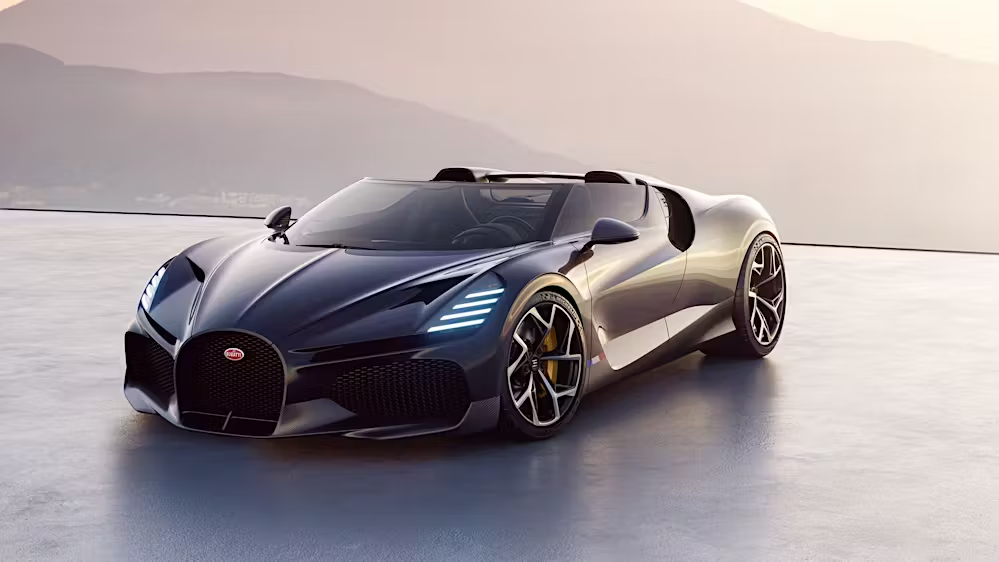
Photo: The Week
A New Era of Quiet Affluence
A noticeable transformation is taking shape among the world’s wealthiest individuals. The era of loud luxury and public displays of affluence is gradually fading, replaced by a more refined and discreet approach to wealth. Today’s rich are embracing a philosophy that values privacy, subtlety, and strategic ownership over visible consumption. This shift is not accidental but a calculated response to changing cultural, economic, and social dynamics.
Redefining What It Means to Be Wealthy
Wealth is no longer measured by the ability to showcase expensive possessions in public spaces. Instead, it is increasingly defined by what remains unseen. Ownership of private assets, exclusive investments, and hidden financial structures is becoming the new indicator of true affluence. This evolution reflects a deeper understanding that real power often lies beneath the surface rather than in plain sight.
The Decline of Status Signaling
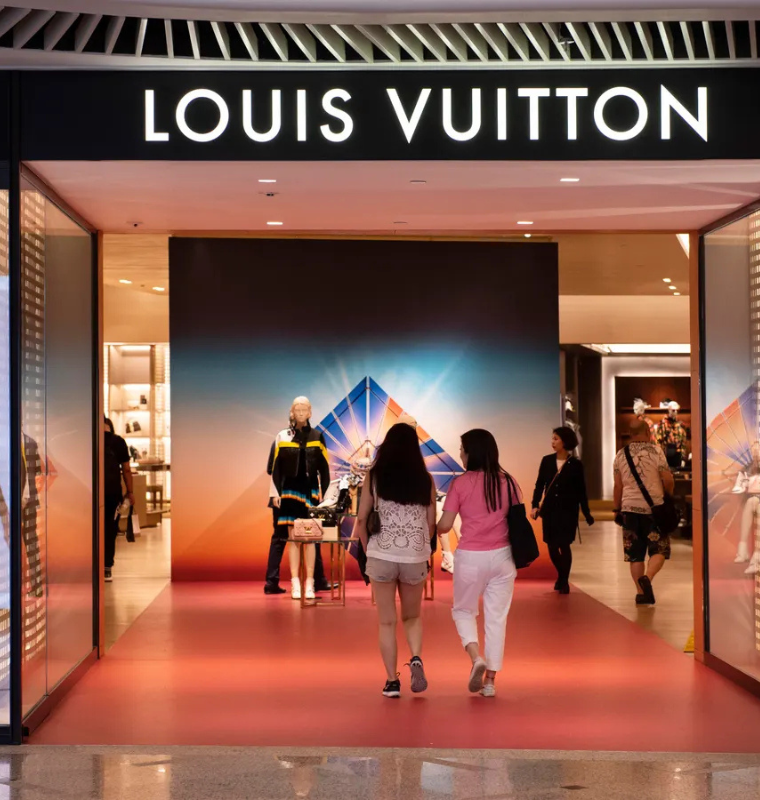
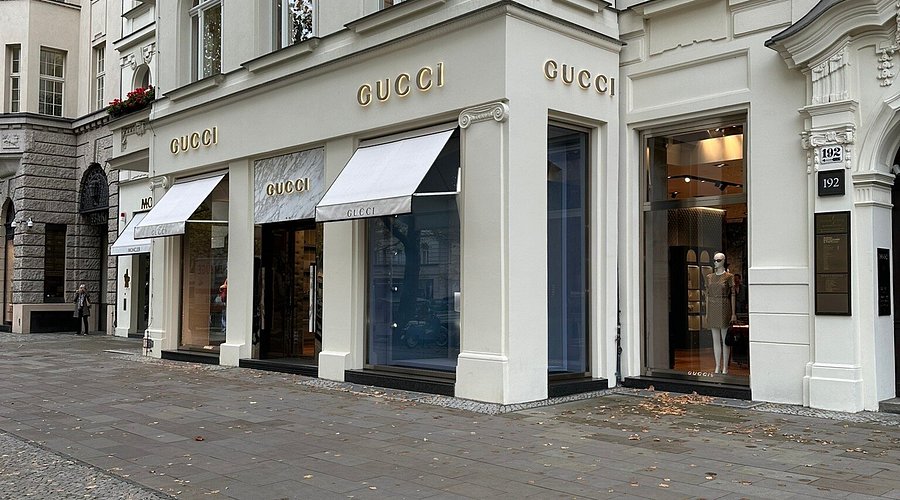
For decades, luxury goods served as symbols of success and social standing. High end cars, designer fashion, and extravagant events were used to communicate wealth. However, this form of status signaling is losing its appeal among the ultra rich. In a world where visibility can attract scrutiny, criticism, and even risk, many are choosing to step away from overt displays and adopt a more understated lifestyle.
Privacy as a Strategic Asset
Privacy has become one of the most valuable assets for wealthy individuals. With increased media attention and the rise of digital transparency, maintaining a low profile is no longer just a preference but a necessity. By keeping their wealth less visible, individuals can protect themselves from unwanted attention, security threats, and public judgment. This emphasis on discretion is shaping how wealth is both managed and experienced.
Investing Behind Closed Doors
While public spending may appear reduced, private ownership is expanding rapidly. Wealth is being directed into assets that are not easily visible to the public eye. Private companies, off market real estate, intellectual property, and exclusive funds are becoming the preferred channels for capital allocation. These investments offer both growth potential and a layer of confidentiality that public assets cannot provide.
Experiences Over Exposure
Another defining feature of invisible wealth is the shift toward personal experiences rather than public displays. The rich are prioritizing moments that hold personal value rather than social validation. Private travel, intimate gatherings, and curated experiences are replacing large scale events and public celebrations. This approach allows individuals to enjoy their wealth without broadcasting it to the world.
The Influence of Digital Culture
The digital age has played a significant role in this transformation. Social media has made it easier than ever to showcase wealth, but it has also increased the risks associated with visibility. Public displays can lead to criticism, comparison, and even reputational damage. As a result, many wealthy individuals are choosing to withdraw from this cycle, opting instead for a more controlled and private presence.
Generational Shifts in Perspective
Younger generations of affluent individuals are particularly drawn to this concept of invisible wealth. They tend to value authenticity, sustainability, and long term impact over superficial displays. This mindset encourages them to invest in assets and initiatives that align with their values rather than seeking immediate recognition. It represents a shift from consumption driven wealth to purpose driven ownership.
The Role of Professional Structures
Family offices, wealth managers, and private advisors are playing a crucial role in facilitating this transition. These professionals help structure assets in ways that maximize both efficiency and discretion. Complex ownership models, trusts, and international holdings are designed to keep wealth protected and less visible while still allowing it to grow effectively.
Economic Uncertainty Reinforcing the Trend
Global economic uncertainty has further strengthened the appeal of invisible wealth. In times of instability, maintaining a low profile can provide a sense of security and control. Wealthy individuals are focusing on safeguarding their assets rather than displaying them, ensuring that they are prepared for potential disruptions in the global landscape.
A Cultural Evolution in Luxury
Luxury itself is being redefined. It is no longer about being seen but about having access. True luxury now lies in exclusivity, privacy, and control. Whether it is access to unique investment opportunities or the ability to live without public scrutiny, the emphasis has shifted from visibility to experience. This cultural evolution is influencing industries ranging from fashion to finance.
Looking Toward the Future
As this trend continues, invisible wealth is likely to become the dominant model among the global elite. The balance between public presence and private ownership will continue to evolve, with discretion playing an increasingly central role. Wealth will be measured not by what is displayed, but by what is strategically held and quietly grown.
Final Reflection
The rise of invisible wealth represents a sophisticated and modern approach to affluence. It reflects a deeper understanding of the risks and opportunities that come with visibility in today’s world. By choosing to spend less publicly and own more privately, the rich are redefining success in a way that prioritizes security, control, and long term vision.

Subscribe to unlock premium content
Sed at tellus, pharetra lacus, aenean risus non nisl ultricies commodo diam aliquet arcu enim eu leo porttitor habitasse adipiscing porttitor varius ultricies facilisis viverra lacus neque.
A comprehensive guide on Agile development

10 Productivity tools that are worth checking out
Top 7 Must have management tools for productivity

A comprehensive guide on Agile development
10 Productivity tools that are worth checking out
A comprehensive guide on Agile development