

The Rise of Off Market Art Deals That Never Reach Public Auctions
By
Sophie Moore
Last updated:
January 26, 2026
First Published:
January 26, 2026

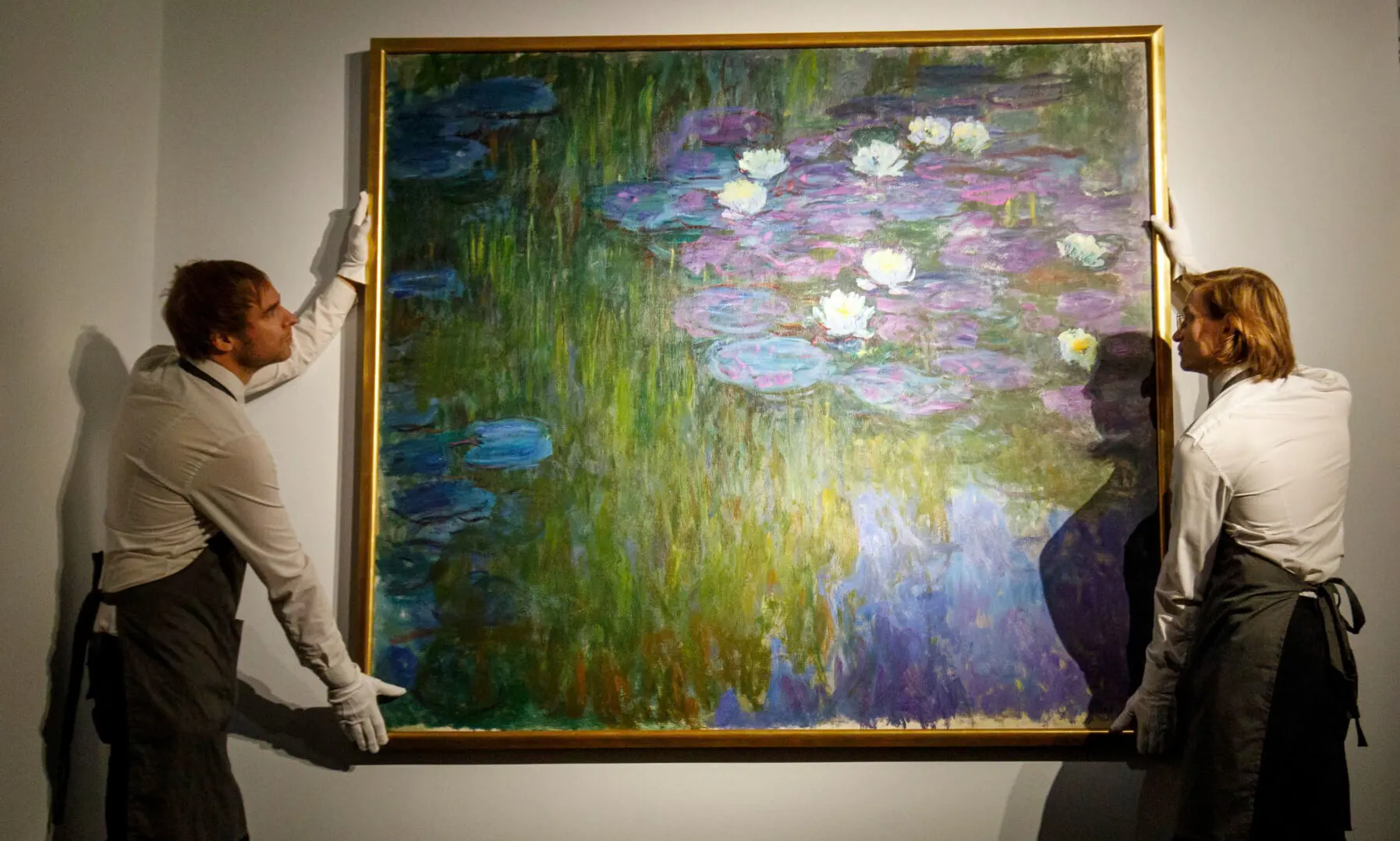
Photo: Maddox Gallery
The world of fine art is quietly shifting away from public auctions as ultra wealthy collectors pursue private transactions. These off market deals allow families and high net worth individuals to acquire masterpieces without triggering market attention or price volatility, creating a discreet and highly strategic approach to art investment.
Privacy is a core driver. Public auctions invite scrutiny, media coverage, and competitive bidding wars. In contrast, off market purchases occur within trusted networks of dealers, advisors, and galleries, ensuring confidentiality while maintaining access to some of the most coveted works.
These private acquisitions often involve long standing relationships between collectors and intermediaries. Dealers cultivate trust over years, providing early access to rare pieces or works from emerging artists poised to gain value. The exclusivity creates opportunities that cannot be replicated in open marketplaces.
Another motivating factor is financial strategy. Off market deals allow families to negotiate directly, avoiding auction fees and controlling transaction timing. For wealth preservation, this approach reduces risk of market speculation while securing tangible assets that often appreciate steadily over time.
Estate planning also intersects with off market art. Collectors integrate acquisitions into multi generational wealth structures, ensuring that art holdings remain intact while benefiting from tax efficiency. These pieces become both cultural capital and financial instruments for future heirs.
The discretion of these deals also protects reputation. Many collectors prefer to avoid public association with expensive purchases. Off market acquisitions prevent external judgment, allowing families to expand their collections based on personal taste, legacy considerations, and long term value rather than public perception.
Global networks facilitate these transactions. Advisors, galleries, and private consultants connect wealthy buyers with international sellers, often bypassing traditional auction circuits entirely. These networks are cultivated carefully, with reputation and discretion as key currencies.
Investment potential drives demand alongside aesthetic interest. Rare paintings sculptures and collectibles are increasingly viewed as hedge assets that diversify portfolios. Families with significant exposure to public markets see art as a stable alternative, capable of appreciating independently from traditional financial instruments.
Additionally, off market art purchases allow for strategic timing. Wealthy collectors can acquire pieces during private negotiations, avoiding price surges triggered by auction hype or competitive bidding. This control aligns with a broader philosophy of measured, intentional wealth management.
The trend reflects a broader shift in elite lifestyle priorities. Ownership of culture, legacy, and influence increasingly outweighs public display. For the world’s richest, art is no longer simply about aesthetics or prestige but serves as a private, strategic asset embedded in long term family wealth strategies.



Subscribe to unlock premium content
Sed at tellus, pharetra lacus, aenean risus non nisl ultricies commodo diam aliquet arcu enim eu leo porttitor habitasse adipiscing porttitor varius ultricies facilisis viverra lacus neque.
A comprehensive guide on Agile development

10 Productivity tools that are worth checking out

Top 7 Must have management tools for productivity

A comprehensive guide on Agile development
10 Productivity tools that are worth checking out
A comprehensive guide on Agile development