
Ultra Rich Consumers Drive Demand for Off Grid Smart Mansions With Independent Energy Systems
By
John Carter
Last updated:
April 14, 2026
First Published:
April 25, 2026

The Rise of Self Sufficient Luxury Real Estate
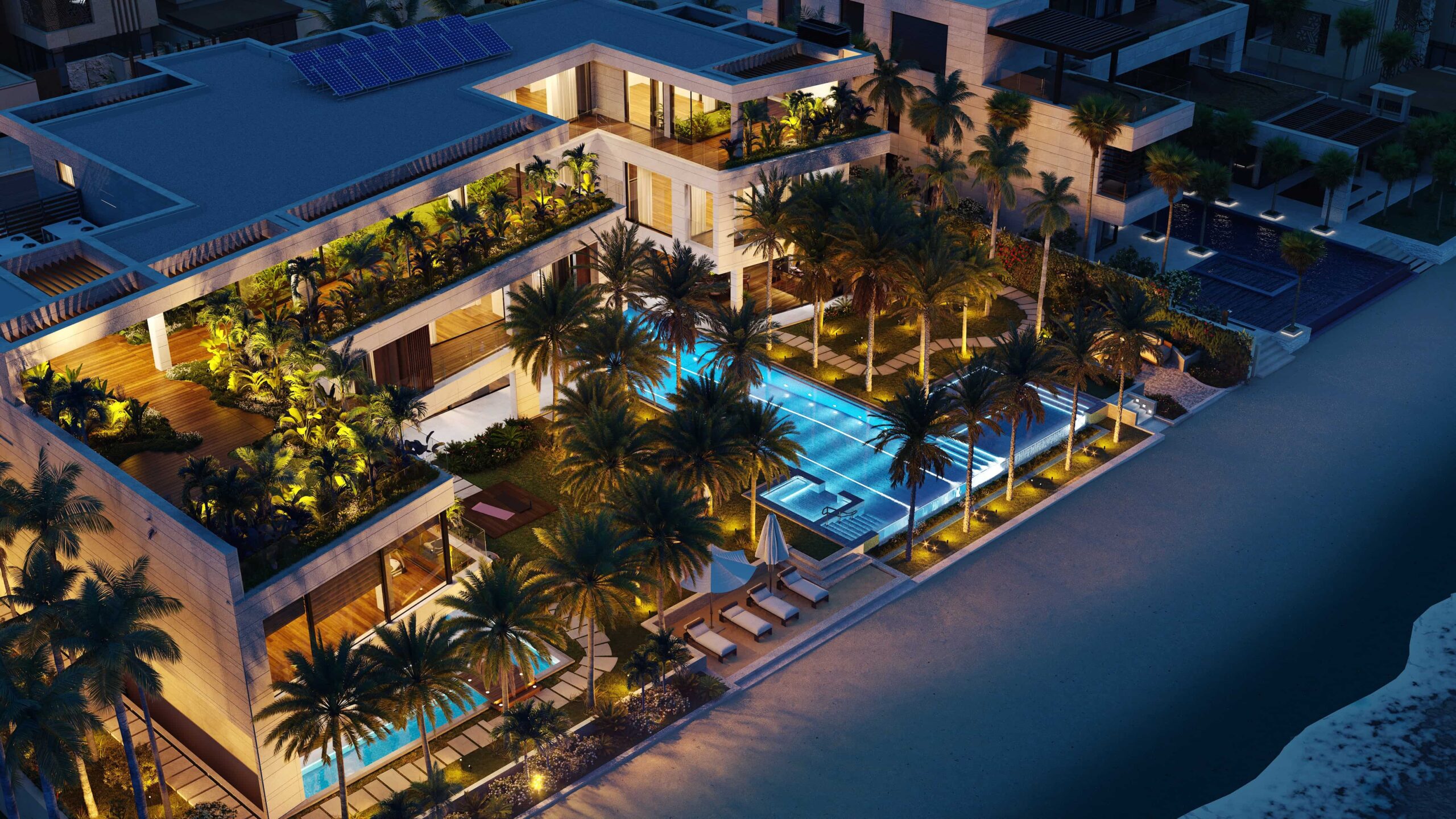
A growing segment of ultra high net worth individuals is investing in off grid smart mansions designed to operate independently from public infrastructure. These properties combine advanced automation systems with self sustaining utilities, creating a form of luxury living that prioritizes autonomy, privacy, and resilience over traditional dependency on city based services.
Energy Independence Becomes a Core Luxury Feature
Independent energy systems are now a defining feature of these residences. Solar arrays, advanced battery storage, microgrid systems, and backup generation units are integrated into estate design from the earliest planning stages. The objective is to ensure uninterrupted power supply even in the event of external grid failures or regional instability.
Integration of Smart Home Automation at Estate Scale
These mansions extend smart home technology to a large scale architectural environment. Centralized control systems manage lighting, climate, security, water usage, and energy distribution. Artificial intelligence based systems continuously optimize resource consumption based on resident behavior and environmental conditions.
Water Security and Sustainable Resource Management
Beyond energy, water independence is becoming a critical component of off grid luxury estates. Advanced filtration systems, rainwater harvesting infrastructure, and underground storage solutions allow properties to maintain long term self sufficiency. Some estates also incorporate atmospheric water generation technology for additional resilience.
Privacy and Geographic Isolation as Design Priorities
Location selection for these properties prioritizes privacy and controlled access over proximity to urban centers. Wealthy buyers are increasingly choosing remote coastal regions, mountainous terrains, and large private land parcels. The isolation enhances security while also supporting a fully controlled living environment.
Architectural Blending of Luxury and Sustainability
Designers are integrating sustainability into luxury architecture in ways that do not compromise aesthetics. Natural materials, landscape integration, and minimal visual disruption are common features. The goal is to create residences that feel both technologically advanced and organically connected to their surroundings.
Security Systems Built for High Risk Profiles
Security infrastructure in these mansions is significantly more advanced than conventional residential systems. Multi layer surveillance networks, biometric access controls, drone monitoring, and perimeter detection systems are commonly deployed. These systems are designed to operate autonomously with minimal human intervention.
Shift From Urban Luxury to Controlled Environments
A noticeable trend among ultra wealthy individuals is the gradual shift away from dense urban luxury living toward controlled private environments. Off grid estates provide a sense of operational independence that city residences cannot match, particularly in terms of resource management and security autonomy.
Wellness Integration Within Private Estates
These properties are increasingly designed to function as complete wellness ecosystems. Facilities often include private gyms, recovery suites, medical monitoring rooms, and climate optimized relaxation spaces. The objective is to support long term health and performance within a controlled environment.
Economic Logic Behind Off Grid Investments
While these estates require significant upfront capital, they offer long term operational stability and reduced reliance on external infrastructure systems. For ultra high net worth individuals, this represents not only lifestyle enhancement but also risk diversification in terms of living arrangements.
Future Direction of Ultra Luxury Real Estate
The trajectory of off grid smart mansions suggests continued expansion as technology improves and sustainability systems become more efficient. As global uncertainty increases, demand for autonomous luxury living environments is expected to grow, reshaping the definition of high end real estate ownership.

Subscribe to unlock premium content
Sed at tellus, pharetra lacus, aenean risus non nisl ultricies commodo diam aliquet arcu enim eu leo porttitor habitasse adipiscing porttitor varius ultricies facilisis viverra lacus neque.
A comprehensive guide on Agile development

10 Productivity tools that are worth checking out
Top 7 Must have management tools for productivity

A comprehensive guide on Agile development
10 Productivity tools that are worth checking out
A comprehensive guide on Agile development