

Ultra Elite Collectors Compete for AI Curated One of One Fashion Pieces Woven with Smart Fabrics and Embedded Identity Tech
By
Maya K.
Last updated:
April 21, 2026
First Published:
April 21, 2026

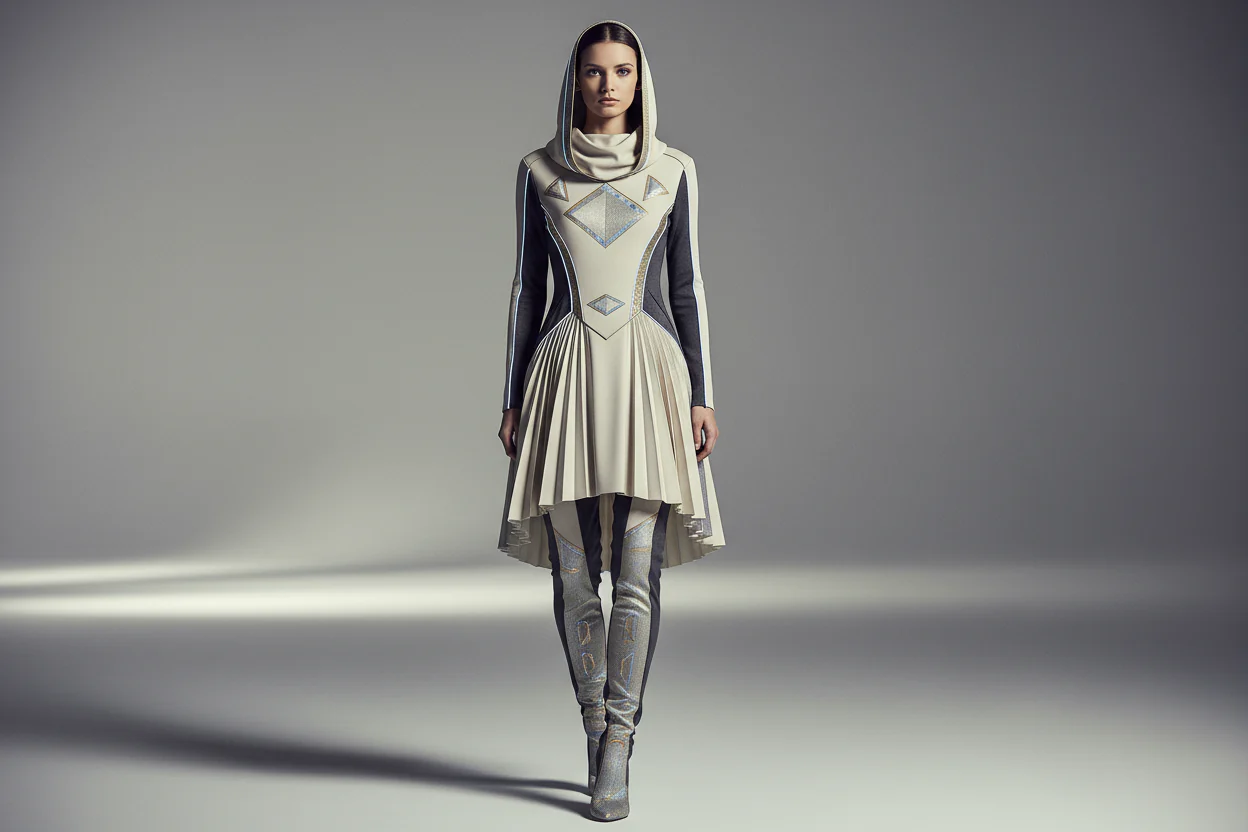
Photo: FlyandFall
The Rise of Algorithmic Couture
The world of high fashion is undergoing a profound transformation as artificial intelligence begins to shape not only design but exclusivity itself. Ultra elite collectors are now competing for garments that are not created by traditional ateliers alone but are instead curated through advanced AI systems. These systems analyze personal data, aesthetic preferences, cultural influences, and even biometric signals to produce one of one fashion pieces that cannot be replicated. This marks a decisive shift from seasonal collections to deeply individualized expressions of wealth and identity.
Smart Fabrics Redefine Material Luxury
At the core of this movement lies the emergence of smart fabrics that go far beyond texture and craftsmanship. These materials are engineered with embedded sensors, adaptive fibers, and responsive surfaces that react to the wearer’s environment and physical state. A gown may subtly change tone based on lighting conditions or body temperature, while a tailored suit can adjust its structure for comfort and posture. Luxury is no longer static but dynamic, evolving in real time with the individual who wears it.
Embedded Identity as a Status Signature
One of the most compelling aspects of these fashion pieces is the integration of identity technology directly into the fabric. Each garment carries a unique digital signature that verifies its authenticity and ownership. This identity layer can be accessed through secure systems, allowing collectors to prove provenance and exclusivity instantly. For the ultra wealthy, this adds a new dimension to fashion where ownership is not just visible but technologically secured and permanently linked to the individual.
The End of Mass Visibility in Fashion
Traditional luxury fashion has long relied on visibility and recognition, but this new category moves in the opposite direction. These garments are often designed for private settings, exclusive gatherings, or controlled environments where only a select audience can appreciate their complexity. The value lies not in widespread exposure but in the knowledge that the piece exists as a singular creation. This quiet exclusivity aligns with a broader trend among high net worth individuals who prefer distinction over display.
Collaboration Between Designers and Machines
Rather than replacing human creativity, artificial intelligence is becoming a collaborator in the design process. Renowned designers work alongside machine learning systems that generate patterns, textures, and structural concepts that would be impossible to conceive manually. The result is a hybrid form of couture where human intuition and computational precision merge to create garments that feel both artistic and futuristic.
Personal Data as Creative Input
The creation of these one of one pieces often begins with an extensive analysis of the client. Lifestyle habits, travel history, artistic preferences, and even emotional responses to certain stimuli are used as inputs for the AI system. This data driven approach ensures that each garment is not just visually unique but deeply personal. It becomes a wearable narrative that reflects the wearer’s life in a way that traditional fashion never could.
Collectors Drive a New Fashion Economy
The demand for these pieces is being fueled by a new class of collectors who view fashion as an asset category. These individuals are not purchasing garments for occasional wear but as investments and cultural artifacts. The rarity and technological complexity of each piece contribute to its long term value, positioning it alongside fine art and rare collectibles. This shift is reshaping the economics of fashion, placing emphasis on uniqueness rather than volume.
Security and Exclusivity in the Digital Age
In an era where digital replication is a constant threat, embedded identity technology offers a solution that reinforces exclusivity. Each garment is protected by encrypted systems that prevent duplication and unauthorized use. This level of security ensures that ownership remains clear and indisputable, adding another layer of prestige to the experience of acquiring such a piece.
The Emotional Dimension of Intelligent Fashion
Beyond technology and status, these garments introduce an emotional component that is rarely associated with clothing. Because they are designed using personal data and adaptive materials, they respond to the wearer in subtle ways. This creates a sense of connection between the individual and the garment, transforming it from an object into an experience. For collectors, this emotional resonance enhances the perceived value of the piece.
A Glimpse Into the Future of Luxury Identity
As this trend continues to evolve, it is likely to influence not only fashion but the broader concept of identity in luxury markets. The integration of technology, personalization, and exclusivity suggests a future where ownership is defined as much by data and interaction as it is by physical possession. These AI curated garments are early indicators of a world where luxury becomes an extension of the self in increasingly sophisticated ways.



Subscribe to unlock premium content
Sed at tellus, pharetra lacus, aenean risus non nisl ultricies commodo diam aliquet arcu enim eu leo porttitor habitasse adipiscing porttitor varius ultricies facilisis viverra lacus neque.
A comprehensive guide on Agile development

10 Productivity tools that are worth checking out

Top 7 Must have management tools for productivity

A comprehensive guide on Agile development
10 Productivity tools that are worth checking out
A comprehensive guide on Agile development