
Ultra High Net Worth Buyers Trigger Record Private Island Acquisitions Across the South Pacific as Scarcity Drives Extreme Luxury Pricing
By
John Carter
Last updated:
May 21, 2026
First Published:
May 21, 2026

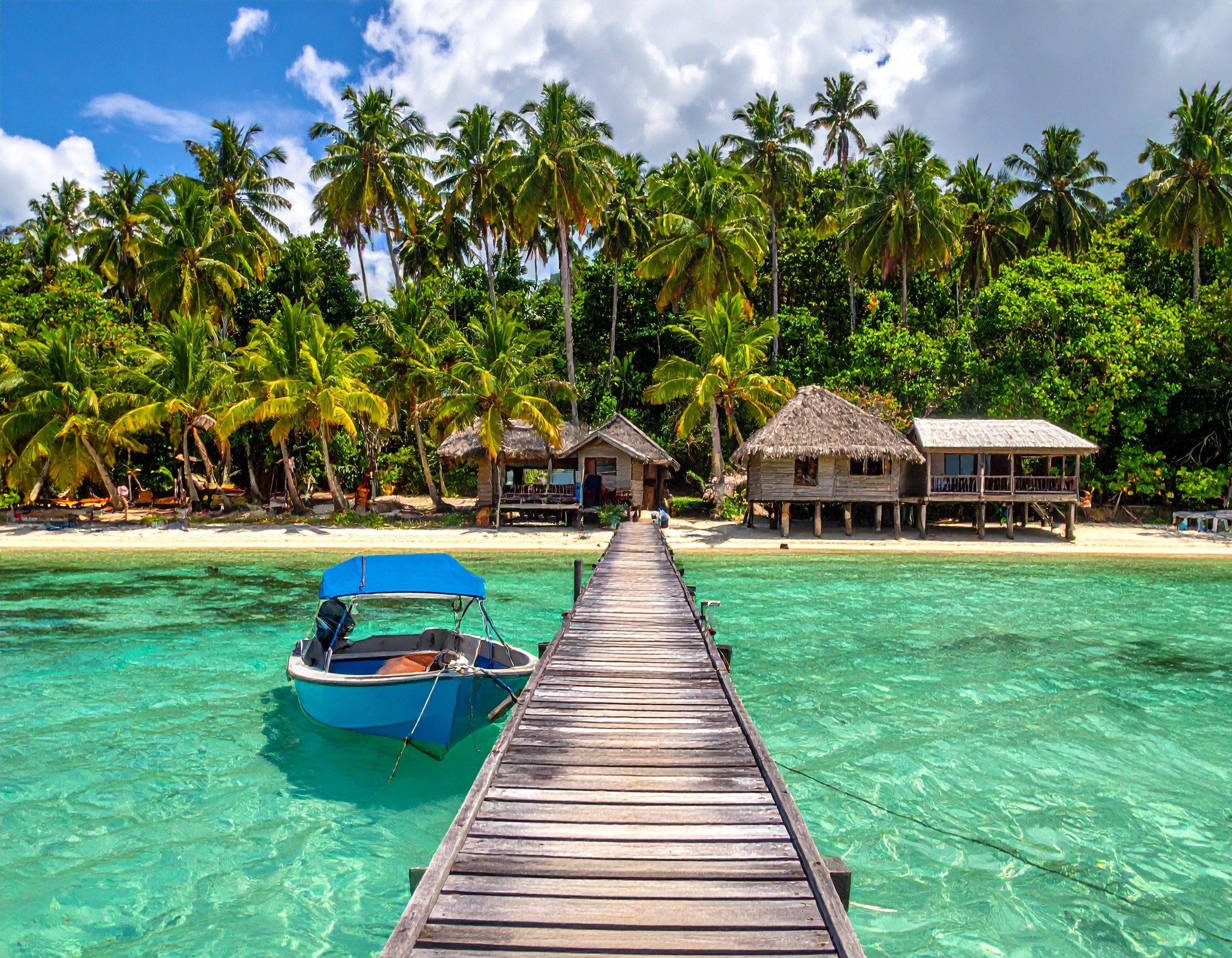
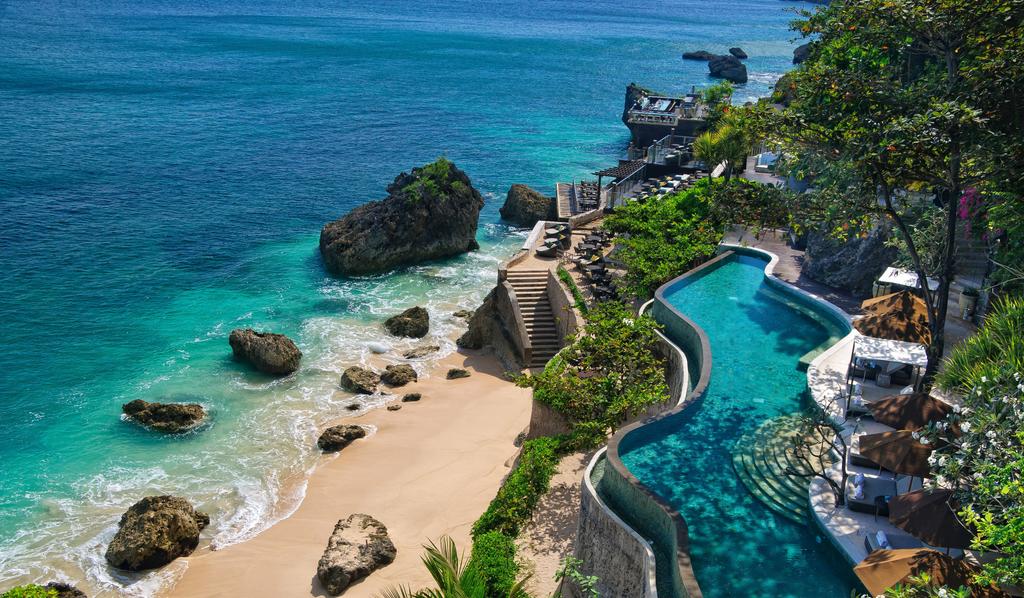
Photo: Kepri Estates
A New Era of Private Geography Ownership
Private island acquisition has entered a distinctly new phase where Ultra High Net Worth individuals are treating geography itself as a tier one asset class. Across the South Pacific, limited availability of untouched land combined with rising geopolitical stability in select island nations has created a surge in competitive buying activity. What was once a niche indulgence has become a structured investment behavior among global elites.
Scarcity as the Core Market Driver
The defining force behind this surge is scarcity. Unlike urban luxury real estate, island inventory cannot be expanded or manufactured. Buyers are now competing for the last remaining privately held or concession available islands in regions such as Fiji, Vanuatu, and French Polynesia. This scarcity has shifted pricing expectations into unprecedented territory, where emotional value and exclusivity outweigh traditional valuation logic.
The Evolution of Ultra Private Ownership Structures
Modern acquisitions are no longer simple purchases. Many transactions are structured through layered holding entities, long term lease concessions, or hybrid ownership agreements with local governments. This evolution allows wealthy buyers to secure operational control while navigating environmental regulations and indigenous land rights frameworks. Legal complexity has become a standard part of luxury geography acquisition.
The Role of Global Mobility Wealth
A growing number of buyers are individuals whose wealth is not tied to a single country or industry. Founders from technology sectors, private equity executives, and crypto wealth holders are increasingly mobile, enabling them to consider remote island ownership as part of a broader lifestyle portfolio. For many, these islands function as private sanctuaries, remote offices, or long term legacy assets.
Infrastructure as the New Luxury Benchmark
The definition of luxury on private islands is shifting from natural beauty alone to infrastructure capability. Buyers now prioritize deep water docking facilities, private aviation access, renewable energy systems, and high speed digital connectivity. An island without modern infrastructure is increasingly seen as incomplete regardless of its natural appeal.
Environmental Exclusivity and Preservation Value
Environmental considerations are becoming a paradoxical luxury driver. Many Ultra High Net Worth buyers are explicitly seeking islands that remain ecologically preserved, viewing untouched ecosystems as a form of irreplaceable prestige. Conservation agreements and private stewardship programs are frequently integrated into purchase structures to maintain long term environmental exclusivity.
Competitive Bidding Dynamics in Remote Markets
In several South Pacific jurisdictions, competitive bidding has intensified to levels previously unseen in remote property markets. Private negotiations are often conducted through discreet intermediaries, with multiple buyers pursuing the same asset simultaneously. The result is rapid price escalation driven not by public markets but by private negotiation pressure.
The Rise of Island Development Philosophy
Unlike earlier generations of luxury buyers who focused on building large residences, current buyers are adopting a more curated development philosophy. Minimalist architecture, low density construction, and experiential design are prioritized. The goal is to preserve natural dominance while subtly integrating high end comfort systems.
Financialization of Rare Geographic Assets
Private islands are increasingly being treated as financial instruments. Wealth managers are incorporating them into diversified portfolios alongside art, aviation assets, and rare collectibles. Some buyers are also exploring fractional ownership structures or long term appreciation strategies, viewing islands as legacy stores of value rather than consumptive assets.
Cultural and Emotional Drivers of Ownership
Beyond financial logic, emotional and psychological factors play a significant role. Ownership of a private island represents autonomy, separation from urban density, and symbolic control over space. For many Ultra High Net Worth individuals, it is less about utility and more about identity expression at the highest level of exclusivity.
Future Outlook for South Pacific Luxury Geography
The trajectory of private island markets suggests continued tightening of supply and increasing sophistication in transaction structures. As global wealth continues to concentrate, demand for sovereign like private spaces is expected to intensify. The South Pacific is positioned to remain a focal region where extreme luxury intersects with geographic limitation.


Subscribe to unlock premium content
Sed at tellus, pharetra lacus, aenean risus non nisl ultricies commodo diam aliquet arcu enim eu leo porttitor habitasse adipiscing porttitor varius ultricies facilisis viverra lacus neque.
A comprehensive guide on Agile development

10 Productivity tools that are worth checking out

Top 7 Must have management tools for productivity

A comprehensive guide on Agile development
10 Productivity tools that are worth checking out
A comprehensive guide on Agile development