
Ultra Rich Buyers Are Acquiring Cultural Institutions as Long Term Wealth Anchors
By
John Carter
Last updated:
January 30, 2026
First Published:
January 30, 2026

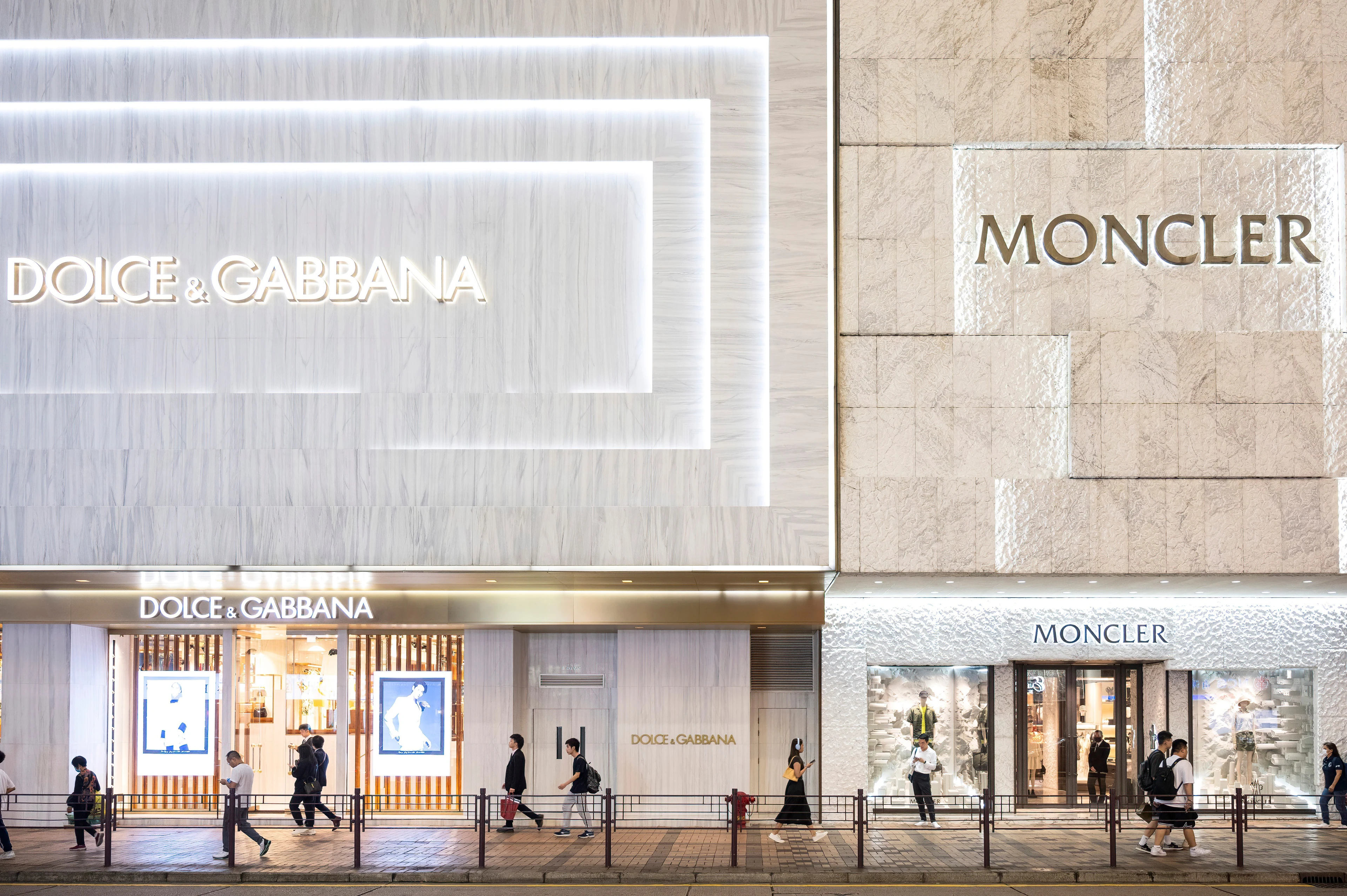
Photo: Jing Daily
Introduction to Cultural Wealth
A growing trend among the ultra rich is the acquisition of cultural institutions such as museums, galleries, libraries, and heritage sites. Rather than simply collecting art or historic property, these individuals are embedding their wealth into structures that preserve culture, influence society, and create long term value. This approach reflects a broader understanding of wealth that extends beyond financial metrics into legacy and impact.
Why Cultural Institutions Attract the Ultra Wealthy
Cultural assets provide unique advantages. They combine prestige, influence, and stability in ways traditional investments cannot. Ownership or sponsorship grants access to elite networks, enhances social capital, and ensures participation in shaping cultural narratives. For many, these acquisitions are both status symbols and strategic anchors.
Redefining the Role of Wealth
The ultra rich are shifting from wealth as consumption to wealth as stewardship. By acquiring or funding institutions, they ensure that their influence persists beyond their lifetimes. Unlike fleeting luxury goods or financial assets, cultural institutions offer permanence, public recognition, and societal impact that transcends personal gain.
Impact on Art and Heritage Markets
These purchases are reshaping art and heritage markets. Museums and galleries previously reliant on public funding now benefit from private capital injections. This trend enables new exhibitions, acquisitions, and restoration projects, while also creating curated spaces that align with the owner’s vision and values.
Philanthropy Meets Strategic Investment
Cultural acquisitions blur the line between philanthropy and investment. Owners are not merely donors but active participants in governance and programming. Their decisions influence how communities access and engage with cultural resources, while preserving assets that may appreciate over time.
Creating Legacy Through Culture
For the ultra wealthy, cultural institutions serve as a form of legacy. They allow families and individuals to be remembered for contributions to society and the arts. Endowed museums, curated libraries, and historic estates act as physical manifestations of values and vision, extending influence across generations.
Exclusive Access and Networking Opportunities
Ownership also provides unique access to elite circles. Invitations to private previews, international collaborations, and high level cultural events strengthen social networks. These opportunities often operate outside public visibility, reflecting a preference for discretion and control.
Preservation of Identity and Values
Cultural acquisitions allow wealth holders to preserve personal and familial identity. Exhibitions, educational programs, and curated collections reflect taste, philosophy, and priorities. Through these institutions, values are codified and shared, creating a narrative that transcends individual lives.
Market Influence and Control
By acquiring cultural assets, ultra rich buyers gain influence over artistic, historical, and educational sectors. Control of curation, acquisition, and public programming shapes the market in subtle ways, ensuring that long term trends align with their vision of cultural significance.
The Future of Wealth Anchored in Culture
As traditional financial markets become more volatile, cultural institutions offer stable, enduring forms of wealth expression. This trend is likely to expand, with more high net worth individuals integrating heritage, art, and culture into their broader wealth strategies.
Conclusion on Cultural Institutions as Wealth Anchors
The acquisition of cultural institutions represents a strategic evolution in elite wealth management. By investing in society’s collective memory and creativity, the ultra wealthy anchor their influence in permanence, blending status, legacy, and impact in ways that redefine the very meaning of prosperity.



Subscribe to unlock premium content
Sed at tellus, pharetra lacus, aenean risus non nisl ultricies commodo diam aliquet arcu enim eu leo porttitor habitasse adipiscing porttitor varius ultricies facilisis viverra lacus neque.
A comprehensive guide on Agile development

10 Productivity tools that are worth checking out

Top 7 Must have management tools for productivity

A comprehensive guide on Agile development
10 Productivity tools that are worth checking out
A comprehensive guide on Agile development