

Ultra Wealthy Buyers Drive Global Luxury Property Boom as Prime Real Estate Becomes Preferred Safe Haven
By
Maya K.
Last updated:
June 16, 2026
First Published:
June 16, 2026

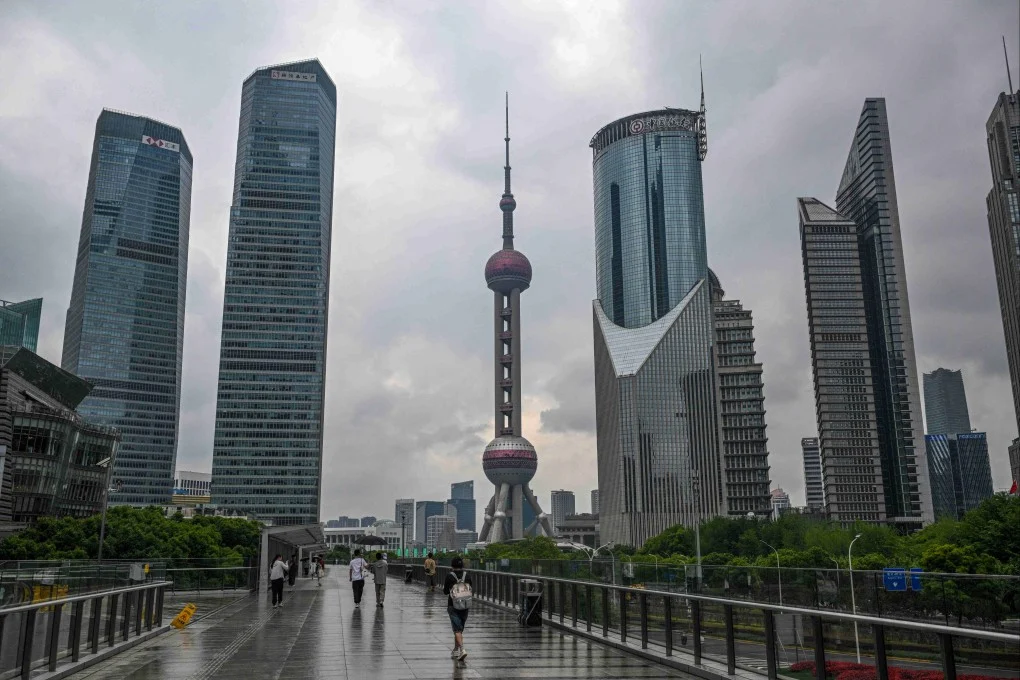
Photo: South China Morning Post
The global luxury property market is experiencing a powerful resurgence as ultra wealthy individuals increasingly view prime real estate as one of the safest and most reliable places to preserve and grow their wealth. Across major cities and prestigious destinations, demand for elite residences continues to rise despite economic uncertainty, changing interest rate environments, and fluctuating financial markets.
For decades, luxury real estate has served as a symbol of success and status. Today, however, it has evolved into something much more significant. High net worth individuals are no longer purchasing prime properties solely for lifestyle purposes. They are increasingly treating these assets as strategic components of long term wealth preservation plans.
This shift has contributed to a new era of growth in the luxury housing sector, creating opportunities for developers, investors, and property owners worldwide.
The Search for Stability in an Uncertain World
Global investors are constantly seeking assets capable of maintaining value during periods of economic volatility. While stocks, bonds, and other financial instruments can experience dramatic fluctuations, prime real estate often provides a sense of stability that appeals to affluent buyers.
Luxury properties located in prestigious locations tend to possess characteristics that support long term value retention. Limited supply, desirable surroundings, strong infrastructure, and international demand all contribute to their attractiveness.
As a result, many wealthy individuals view prime real estate as a defensive asset capable of protecting wealth while also offering the potential for appreciation over time. This perception has become increasingly important as investors navigate complex global economic conditions.
The Rise of Global Property Diversification
Modern wealthy investors rarely concentrate all their assets in a single region. Instead, they seek diversification across multiple countries and property markets. Luxury real estate has become one of the preferred tools for achieving this objective.
Many affluent families now maintain residences in several international destinations. These properties may serve as primary homes, seasonal retreats, investment holdings, or strategic residency options. Beyond their practical uses, they provide exposure to different economic regions and currencies.
This global approach to property ownership has contributed significantly to rising demand in many luxury markets, particularly those known for political stability, strong legal systems, and attractive lifestyles.
Prestige Locations Continue to Dominate Demand
Certain destinations continue to attract a disproportionate share of global wealth. Waterfront residences, city penthouses, countryside estates, and exclusive resort properties remain among the most sought after assets in the world.
What makes these locations particularly valuable is their scarcity. Prime land in prestigious areas cannot be easily replicated. As demand rises and supply remains limited, property values often experience upward pressure.
For ultra wealthy buyers, owning property in these elite destinations provides both lifestyle advantages and investment benefits. The combination of exclusivity and long term value creation makes such assets especially appealing.
Wealth Preservation Has Become a Priority
Recent years have encouraged many affluent individuals to place greater emphasis on protecting existing wealth rather than pursuing aggressive investment strategies. Prime real estate aligns perfectly with this objective.
Unlike many financial assets that exist primarily in digital form, luxury property represents a tangible asset. Owners can see it, use it, and derive personal enjoyment from it while benefiting from potential appreciation.
This combination of utility and financial value gives luxury real estate a unique position within wealth management portfolios. It offers emotional satisfaction alongside practical investment advantages, making it attractive to a broad range of wealthy buyers.
Luxury Homes Are Evolving Beyond Traditional Expectations
The definition of luxury property continues to evolve. Today's affluent buyers are looking for more than impressive architecture and premium finishes. They increasingly prioritize wellness, privacy, sustainability, and advanced technology.
Modern luxury residences often feature private wellness facilities, sophisticated security systems, smart home integration, and environmentally conscious design elements. These features reflect changing lifestyle priorities among wealthy consumers.
Developers have responded by creating properties that function as complete lifestyle ecosystems rather than simply places to live. This evolution has elevated the appeal of luxury real estate even further.
The Influence of Generational Wealth
A significant transfer of wealth is occurring across generations in many parts of the world. Younger affluent individuals are inheriting substantial assets while also creating wealth through entrepreneurship, finance, and technology.
These new buyers often approach property ownership differently from previous generations. They tend to value flexibility, global mobility, and experiential living. At the same time, they recognize the importance of tangible assets within a diversified portfolio.
As this demographic gains influence, luxury real estate markets are adapting to meet their preferences. The result is a more dynamic and innovative property sector capable of attracting a broader range of wealthy buyers.
Developers Are Responding to Growing Demand
The sustained interest in prime property has encouraged developers to pursue increasingly ambitious projects. Luxury residential developments are now being designed with exceptional attention to detail, offering residents exclusive amenities and services.
Concierge programs, private dining facilities, wellness centers, and curated lifestyle experiences have become common features within elite developments. Buyers are seeking not only exceptional homes but also elevated living environments that enhance convenience and exclusivity.
This trend is reshaping luxury real estate by creating communities specifically tailored to the expectations of affluent residents.
Why Prime Real Estate Remains a Safe Haven
The concept of a safe haven asset revolves around stability, scarcity, and long term demand. Prime luxury property possesses all three characteristics. Prestigious locations remain limited, affluent buyers continue to grow in number, and demand often exceeds available supply.
These factors help support property values even during periods of broader economic uncertainty. While no investment is entirely risk free, luxury real estate has historically demonstrated resilience compared with many other asset classes.
For wealthy investors focused on preserving capital while maintaining exposure to growth opportunities, prime property remains an attractive choice.
Looking Ahead at the Future of Luxury Real Estate
The global luxury property boom shows few signs of slowing as wealthy buyers continue searching for security, prestige, and long term value. Economic conditions may evolve, and market dynamics may shift, but the underlying appeal of prime real estate remains remarkably strong.
As wealth creation expands across regions and new generations of affluent investors enter the market, demand for exceptional properties is likely to remain robust. Developers, investors, and property owners will continue adapting to changing expectations while benefiting from the enduring appeal of elite real estate.
The current surge in luxury property demand is about more than beautiful homes. It reflects a broader transformation in how the world's wealthiest individuals manage, protect, and enjoy their fortunes. In an increasingly complex financial landscape, prime real estate has secured its place as one of the most trusted safe havens available.



Subscribe to unlock premium content
Sed at tellus, pharetra lacus, aenean risus non nisl ultricies commodo diam aliquet arcu enim eu leo porttitor habitasse adipiscing porttitor varius ultricies facilisis viverra lacus neque.
A comprehensive guide on Agile development

10 Productivity tools that are worth checking out

Top 7 Must have management tools for productivity

A comprehensive guide on Agile development
10 Productivity tools that are worth checking out
A comprehensive guide on Agile development