

Ultra Wealthy Buyers Turn to Climate Resilient Islands and Coastal Retreats
By
Sophie Moore
Last updated:
March 1, 2026
First Published:
March 1, 2026

A new definition of prime property
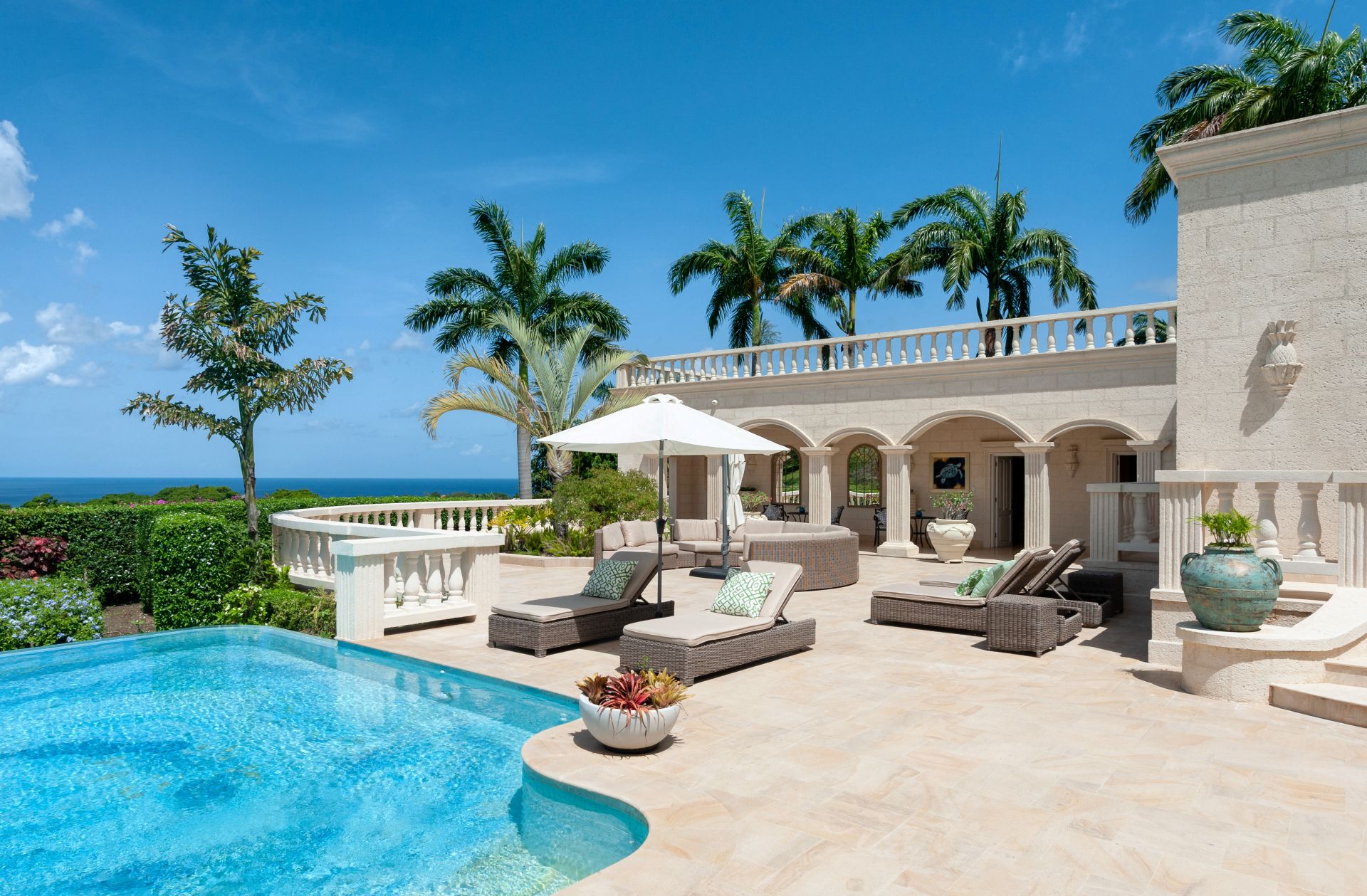
Among the world’s ultra wealthy, the definition of prime real estate is undergoing a structural transformation. Traditionally, prestige was measured by waterfront views, exclusivity, and proximity to cultural capitals. Today, climate resilience has become equally critical. High net worth and ultra high net worth buyers are increasingly prioritizing islands and coastal retreats engineered to withstand rising sea levels, extreme weather patterns, and long term environmental volatility. Luxury is no longer defined by aesthetics alone. It is defined by durability.
From vulnerability to engineered security
Coastal property has always commanded premium valuations, yet many iconic waterfront markets now face growing climate risks. In response, developers are reimagining island estates and shoreline communities with advanced elevation systems, reinforced foundations, flood mitigation architecture, and integrated storm defense planning. Buyers are scrutinizing topographical data, sea level projections, and infrastructure resilience reports before committing capital. What was once an emotional purchase is now underpinned by scientific due diligence.
The rise of self sustaining private islands
Private islands are evolving beyond secluded paradises into highly engineered safe havens. Developers are incorporating renewable energy grids, desalination systems, advanced water recycling technologies, and autonomous food production capabilities. These features provide both sustainability and self sufficiency. For ultra wealthy investors, such autonomy offers strategic peace of mind in a world where environmental disruptions can strain traditional supply chains. Ownership of a climate resilient island is increasingly perceived as a long term safeguard rather than a seasonal indulgence.
Insurance markets reshape buyer behavior
The recalibration of coastal wealth strategy is also influenced by the insurance industry. Premiums for properties in high risk flood zones have escalated significantly in many regions. In some cases, coverage limitations have prompted investors to reconsider exposure. Climate resilient developments that incorporate engineered defenses often secure more favorable insurance terms, reinforcing their attractiveness. The financial modeling of risk has become central to elite property acquisition decisions.
Data driven real estate acquisition
Ultra wealthy buyers now rely on climate analytics firms, environmental consultants, and advanced mapping technology when evaluating property. Satellite data, predictive storm modeling, and geological surveys are routinely reviewed alongside architectural plans. The acquisition process resembles institutional investment analysis more than lifestyle driven purchasing. Environmental resilience scores are increasingly factored into valuation frameworks, influencing pricing and negotiation leverage.
Emerging global hotspots
Several regions are attracting attention for their proactive climate adaptation strategies. Elevated island chains, master planned coastal enclaves with advanced sea defenses, and jurisdictions investing heavily in resilient infrastructure are becoming magnets for international capital. Governments that demonstrate forward thinking environmental planning often experience a surge in luxury development interest. This convergence of public policy and private wealth underscores how climate adaptation is reshaping global real estate flows.
Architectural innovation meets luxury design
Design firms specializing in high end residential projects are integrating resilience seamlessly into aesthetic excellence. Elevated living platforms, impact resistant glass, concealed flood barriers, and reinforced roofing systems are now embedded within contemporary design language. Buyers no longer view resilience as a compromise. Instead, it enhances perceived value. A residence that combines panoramic ocean views with cutting edge protective engineering commands a premium that reflects both status and security.
Long term generational planning
For many ultra wealthy families, property acquisition is tied to generational wealth transfer. Climate resilience aligns directly with this objective. Estates designed to endure environmental shifts are positioned as legacy assets intended to remain within families for decades. This forward looking mindset extends beyond short term appreciation. It reflects an understanding that wealth preservation increasingly depends on environmental foresight.
Capital preservation in an era of uncertainty
Economic volatility, geopolitical tensions, and environmental instability collectively influence capital allocation strategies. Climate resilient coastal properties represent a hybrid asset class that merges lifestyle value with strategic preservation. They offer both tangible enjoyment and a hedge against future displacement risk. In this context, luxury real estate becomes part of a broader resilience portfolio strategy embraced by sophisticated investors.
A structural shift in luxury priorities
The migration toward climate resilient islands and coastal retreats signals more than a trend. It represents a structural shift in how global elites evaluate risk and reward. Prestige alone no longer justifies investment. Longevity, environmental adaptability, and engineered protection now define the apex of desirable real estate. As climate variables continue to influence economic planning, the most resilient properties are likely to command sustained demand and premium valuations.
Wealth strategy redefined by environmental intelligence
The ultra wealthy are demonstrating that capital allocation adapts rapidly to structural global change. By directing investment toward climate resilient coastal assets, they are acknowledging a reality that blends environmental science with financial strategy. The future of luxury living lies not only in beauty and exclusivity but in resilience, foresight, and intelligent design.


Subscribe to unlock premium content
Sed at tellus, pharetra lacus, aenean risus non nisl ultricies commodo diam aliquet arcu enim eu leo porttitor habitasse adipiscing porttitor varius ultricies facilisis viverra lacus neque.
A comprehensive guide on Agile development

10 Productivity tools that are worth checking out

Top 7 Must have management tools for productivity

A comprehensive guide on Agile development
10 Productivity tools that are worth checking out
A comprehensive guide on Agile development