
Ultra Wealthy Investors Double Down on Trophy Properties Amid Global Economic Uncertainty
By
Maya K.
Last updated:
June 15, 2026
First Published:
June 15, 2026


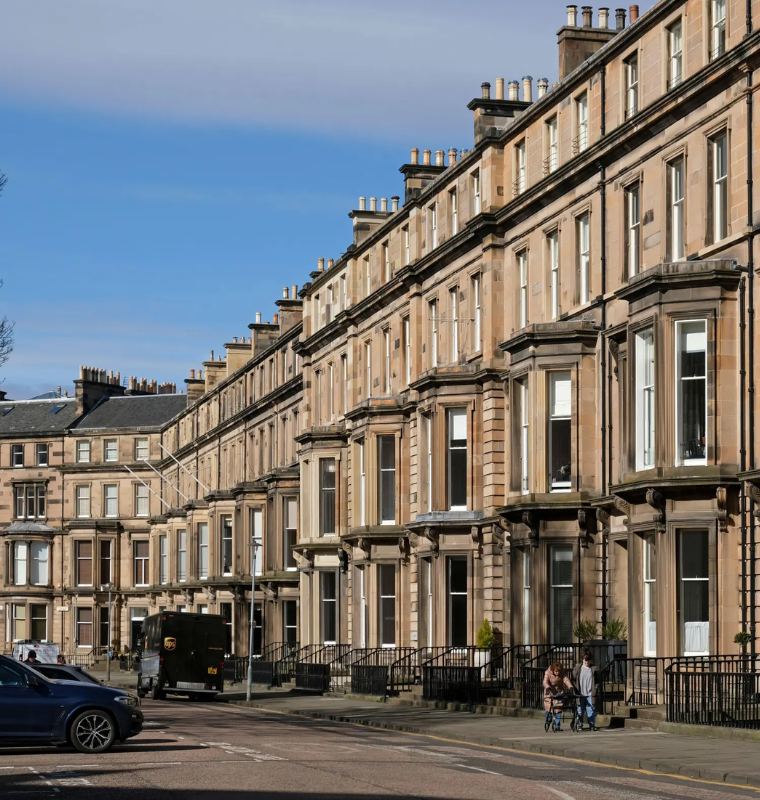
Photo: BlogBrandz
Economic uncertainty often causes investors to rethink their strategies and search for assets capable of preserving wealth during unpredictable periods. While many investors turn toward bonds, cash reserves, or defensive market positions, the ultra wealthy frequently pursue a different path. In 2026, some of the world's richest individuals are increasing their investments in trophy properties, viewing prestigious real estate as both a financial safeguard and a symbol of enduring value.
As global markets continue to face questions surrounding inflation, interest rates, geopolitical tensions, and shifting economic growth patterns, luxury real estate has once again emerged as a preferred destination for significant capital. The renewed interest in trophy properties reflects a broader trend among affluent investors who believe exceptional real estate remains one of the most resilient wealth preservation tools available.
Understanding the Appeal of Trophy Properties
Trophy properties occupy a unique position within the global real estate market. These are not simply expensive homes. They are often rare, architecturally significant, historically important, or located in highly desirable destinations where supply remains extremely limited.
Examples include waterfront mansions, penthouses overlooking major city skylines, historic estates, private islands, and residences situated in globally recognized luxury neighborhoods. Their scarcity creates a level of exclusivity that is difficult to replicate, making them attractive to buyers seeking assets with long term value.
Unlike traditional investments that can be affected by daily market fluctuations, trophy properties derive much of their worth from uniqueness and limited availability. This characteristic often allows them to maintain strong demand even during periods of economic uncertainty.
Wealth Preservation Becomes the Priority
For ultra wealthy investors, the primary objective is often not maximizing returns but preserving existing wealth across generations. Economic instability can create significant volatility in stock markets and other financial assets, encouraging affluent families to diversify their holdings.
Prestigious real estate offers a tangible asset that can serve multiple functions simultaneously. It provides personal enjoyment, portfolio diversification, and potential appreciation while also acting as a store of wealth. This combination makes luxury property particularly appealing during uncertain economic environments.
Many wealthy investors view trophy properties as assets that can withstand market cycles better than many traditional investments because their value is often supported by global demand rather than local economic conditions alone.
Global Buyers Continue to Drive Competition
The luxury real estate market has become increasingly international over the past decade. Buyers are no longer limited to investing within their home countries. Instead, they actively seek opportunities across multiple continents.
Affluent investors frequently acquire properties in cities and destinations known for stability, prestige, and lifestyle appeal. These purchases often serve as second residences, vacation retreats, business hubs, or long term family assets.
This global competition has intensified demand for prime properties in key markets. Even when economic conditions fluctuate, international buyers often remain active because they are motivated by wealth preservation rather than short term investment gains.
Scarcity Creates Lasting Value
One of the strongest advantages of trophy properties is scarcity. Prime waterfront locations, iconic city views, and historic estates cannot be reproduced on a meaningful scale. As urban populations grow and land availability decreases, these assets become increasingly difficult to acquire.
Scarcity has always been a fundamental driver of luxury markets. Whether in art, collectibles, or real estate, limited supply often supports long term value. Wealthy investors understand this principle and frequently prioritize assets that offer genuine rarity.
In many luxury destinations, the supply of premium properties remains constrained by geography, regulations, or historical preservation requirements. These factors create barriers that help maintain exclusivity and demand.
Luxury Living Has Evolved
The definition of luxury real estate has changed significantly in recent years. Buyers today expect far more than impressive architecture and prime locations. Modern trophy properties increasingly incorporate wellness facilities, advanced technology, sustainability features, and personalized services.
Private spas, fitness centers, home theaters, wine cellars, and dedicated wellness spaces have become highly desirable amenities. Buyers also seek smart home systems that provide convenience, security, and energy efficiency.
These evolving preferences are encouraging developers to create residences that blend luxury with functionality. The result is a new generation of trophy properties designed to meet the expectations of modern wealth.
Family Legacy Influences Purchasing Decisions
Many luxury property acquisitions are motivated by long term family considerations rather than immediate financial returns. Wealthy families often view exceptional real estate as legacy assets that can be passed down through generations.
These properties become gathering places for future family members while preserving a portion of family wealth in a tangible form. In many cases, the emotional and symbolic value of a trophy property is just as important as its financial performance.
This perspective helps explain why ultra wealthy investors continue purchasing premium real estate even during uncertain periods. Their focus extends far beyond short term market conditions.
The Role of Privacy and Security
Privacy has become one of the most valuable commodities among affluent individuals. As public visibility increases through social media and digital connectivity, wealthy buyers are placing greater emphasis on secure and private living environments.
Gated communities, expansive estates, and residences with sophisticated security systems have become especially attractive. Many buyers prioritize locations that provide discretion while still offering access to luxury amenities and business opportunities.
This growing emphasis on privacy has further strengthened demand for exclusive properties in carefully selected destinations around the world.
Economic Uncertainty Can Create Opportunity
Interestingly, periods of uncertainty sometimes create favorable opportunities for wealthy investors. Market fluctuations can encourage sellers to negotiate, creating chances to acquire premium assets under advantageous conditions.
Investors with substantial liquidity often view economic uncertainty differently from average buyers. Rather than focusing on short term risks, they concentrate on long term value and strategic acquisitions.
This mindset explains why luxury real estate activity can remain surprisingly resilient even when broader economic sentiment becomes cautious.
The Influence on Local Markets
The purchasing decisions of ultra wealthy investors can significantly impact local luxury real estate markets. High profile transactions often establish new pricing benchmarks and attract additional interest from international buyers.
As demand increases, surrounding neighborhoods may experience development, infrastructure improvements, and rising property values. Luxury investments can therefore generate broader economic benefits within local communities.
Real estate professionals closely monitor these trends because they often signal future market direction and emerging investment opportunities.
Looking Ahead
The continued interest in trophy properties demonstrates that luxury real estate remains a cornerstone of wealth preservation strategies for affluent investors. While economic conditions may fluctuate, the appeal of rare, prestigious, and highly desirable properties continues to endure.
As global wealth expands and competition for exceptional assets increases, trophy properties are likely to remain among the most sought after investments in the world. Their combination of scarcity, lifestyle benefits, and long term value makes them uniquely positioned to attract capital during both prosperous and uncertain times.
The decision by ultra wealthy investors to increase their focus on trophy properties reflects a broader understanding of how wealth is preserved across generations. In a world filled with economic uncertainty, exceptional real estate offers something many financial assets cannot provide: permanence, exclusivity, and tangible value.
As 2026 unfolds, luxury real estate markets will continue watching this trend closely. The actions of the world's wealthiest investors often reveal where confidence is strongest, and right now, that confidence appears firmly rooted in the enduring appeal of trophy properties.


Subscribe to unlock premium content
Sed at tellus, pharetra lacus, aenean risus non nisl ultricies commodo diam aliquet arcu enim eu leo porttitor habitasse adipiscing porttitor varius ultricies facilisis viverra lacus neque.
A comprehensive guide on Agile development

10 Productivity tools that are worth checking out

Top 7 Must have management tools for productivity

A comprehensive guide on Agile development
10 Productivity tools that are worth checking out
A comprehensive guide on Agile development