

Ultra Wealthy Investors Quietly Accumulate Water Rights and Agricultural Assets as Climate Risk Rises
By
Sophie Moore
Last updated:
February 23, 2026
First Published:
February 23, 2026

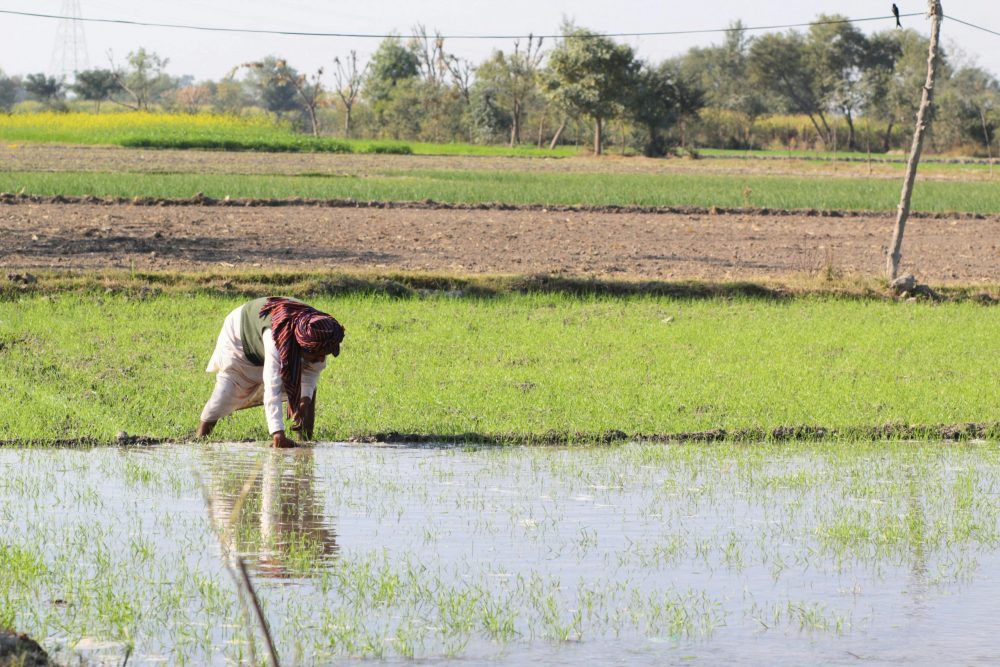
Photo: CDPR
Water and Land Emerge as Strategic Wealth Anchors
Among the most discreet yet consequential shifts in global capital allocation is the steady movement of ultra wealthy investors into water rights and premium agricultural land. While public markets often focus on technology and financial engineering, sophisticated private capital is increasingly targeting tangible assets tied directly to food and freshwater security. This trend reflects a deeper recognition that climate volatility is reshaping the hierarchy of long term value.
Water and fertile soil represent foundational inputs to civilization. As drought cycles intensify and weather patterns grow unpredictable, access to reliable water sources and resilient farmland is being reclassified from a traditional commodity play to a structural macro hedge. For wealth holders thinking in multi generational terms, these assets offer both defensive stability and strategic leverage.
Climate Volatility Reshapes Investment Thinking
Climate risk is no longer an abstract concept discussed only in policy forums. It is affecting crop yields, insurance pricing, and regional migration patterns. Investors with significant capital are closely monitoring hydrological maps, aquifer depletion rates, and irrigation infrastructure resilience. These factors are now integrated into due diligence frameworks traditionally reserved for financial statements and legal structures.
By acquiring water rights in regions with stable governance and agricultural productivity, investors position themselves to benefit from long term scarcity dynamics. Unlike speculative trades in commodity futures, direct ownership of water access and farmland creates optionality that compounds over decades rather than quarters.
Farmland as a Store of Real Value
Prime agricultural land has historically delivered consistent returns through crop revenue and land appreciation. Today, its appeal is amplified by inflationary pressures and currency volatility. Farmland generates yield through food production while simultaneously functioning as a hard asset that cannot be digitally replicated or rapidly expanded.
Ultra wealthy investors often pursue vertically integrated models, combining land ownership with advanced irrigation systems, storage facilities, and distribution partnerships. This integrated approach increases operational control and enhances margins, transforming farmland from a passive holding into an active enterprise.
The Strategic Importance of Water Rights
Water rights operate within complex legal and regulatory systems that vary significantly across jurisdictions. Investors are working with specialized legal teams to navigate allocation frameworks, transferability rules, and long term usage permits. In regions where water rights are clearly defined and enforceable, ownership can become a powerful strategic asset.
As urban expansion and industrial demand intensify competition for freshwater, agricultural users with secured rights may find themselves holding increasingly valuable positions. The ability to lease or trade surplus allocations creates additional revenue channels, further strengthening the financial case for accumulation.
Technology Enhances Agricultural Returns
Modern agricultural investments are rarely traditional in execution. Precision farming technologies, satellite imaging, and soil analytics allow operators to optimize water use and maximize yields. Data driven irrigation reduces waste while protecting aquifers from over extraction, aligning profitability with sustainability.
Investors are also funding research into drought resistant crops and regenerative farming practices. These methods not only preserve soil health but can command premium pricing in markets that value sustainability credentials. In this way, climate conscious strategies reinforce economic resilience rather than undermining it.
Geographic Diversification as a Risk Mitigation Tool
Sophisticated capital does not concentrate exclusively in a single region. Portfolios often include farmland across multiple climate zones and political systems. Diversification mitigates exposure to localized droughts, regulatory shifts, or geopolitical instability.
Regions with established agricultural infrastructure and transparent legal frameworks are particularly attractive. Access to export routes, stable property rights, and supportive policy environments enhances both liquidity and long term appreciation potential.
Quiet Capital and Discreet Transactions
Unlike high profile acquisitions in technology or luxury real estate, water and farmland deals are frequently executed with minimal publicity. Investors prioritize confidentiality to avoid inflating land prices or triggering political scrutiny. Specialized intermediaries facilitate off market transactions, allowing strategic accumulation over time.
This discretion reflects awareness that water access can carry social and political sensitivities. Responsible investors therefore emphasize sustainable usage practices and community engagement to maintain long term legitimacy.
Institutional Interest Reinforces the Trend
Family offices and private investment vehicles are not alone in this space. Institutional capital is increasingly allocating funds to agricultural strategies and water infrastructure projects. Dedicated farmland funds and water focused investment platforms have gained traction among pension funds and endowments seeking real asset exposure.
The presence of institutional players validates the asset class and provides liquidity pathways for early investors. Secondary markets for farmland shares and structured agricultural funds are expanding, increasing flexibility for wealth managers.
Ethical Considerations and Stewardship Responsibilities
Ownership of essential resources carries moral as well as financial implications. Responsible investors are incorporating sustainability metrics, transparent reporting, and community partnerships into their operational frameworks. Sustainable irrigation practices and fair labor standards are no longer optional public relations gestures but risk management imperatives.
Long term profitability depends on ecological balance. Over extraction of water or soil degradation undermines asset value and public trust. Forward thinking investors therefore align capital strategy with environmental stewardship.
Redefining Wealth Preservation in an Era of Scarcity
The accumulation of water rights and agricultural assets signals a recalibration of what constitutes security in the modern era. While financial innovation continues to shape markets, tangible control over essential resources offers a different form of resilience. It provides insulation against systemic shocks while tapping into structural demand that transcends economic cycles.
For ultra wealthy investors, this strategy is less about speculation and more about strategic foresight. As climate risk intensifies and global populations expand, control of fertile land and freshwater access may prove to be among the most enduring pillars of generational wealth.




Subscribe to unlock premium content
Sed at tellus, pharetra lacus, aenean risus non nisl ultricies commodo diam aliquet arcu enim eu leo porttitor habitasse adipiscing porttitor varius ultricies facilisis viverra lacus neque.
A comprehensive guide on Agile development

10 Productivity tools that are worth checking out

Top 7 Must have management tools for productivity

A comprehensive guide on Agile development
10 Productivity tools that are worth checking out
A comprehensive guide on Agile development