

Ultra Wealthy Investors Shift Toward Data Center Ownership as AI Compute Becomes Core Asset Class
By
Sophie Moore
Last updated:
April 15, 2026
First Published:
April 15, 2026

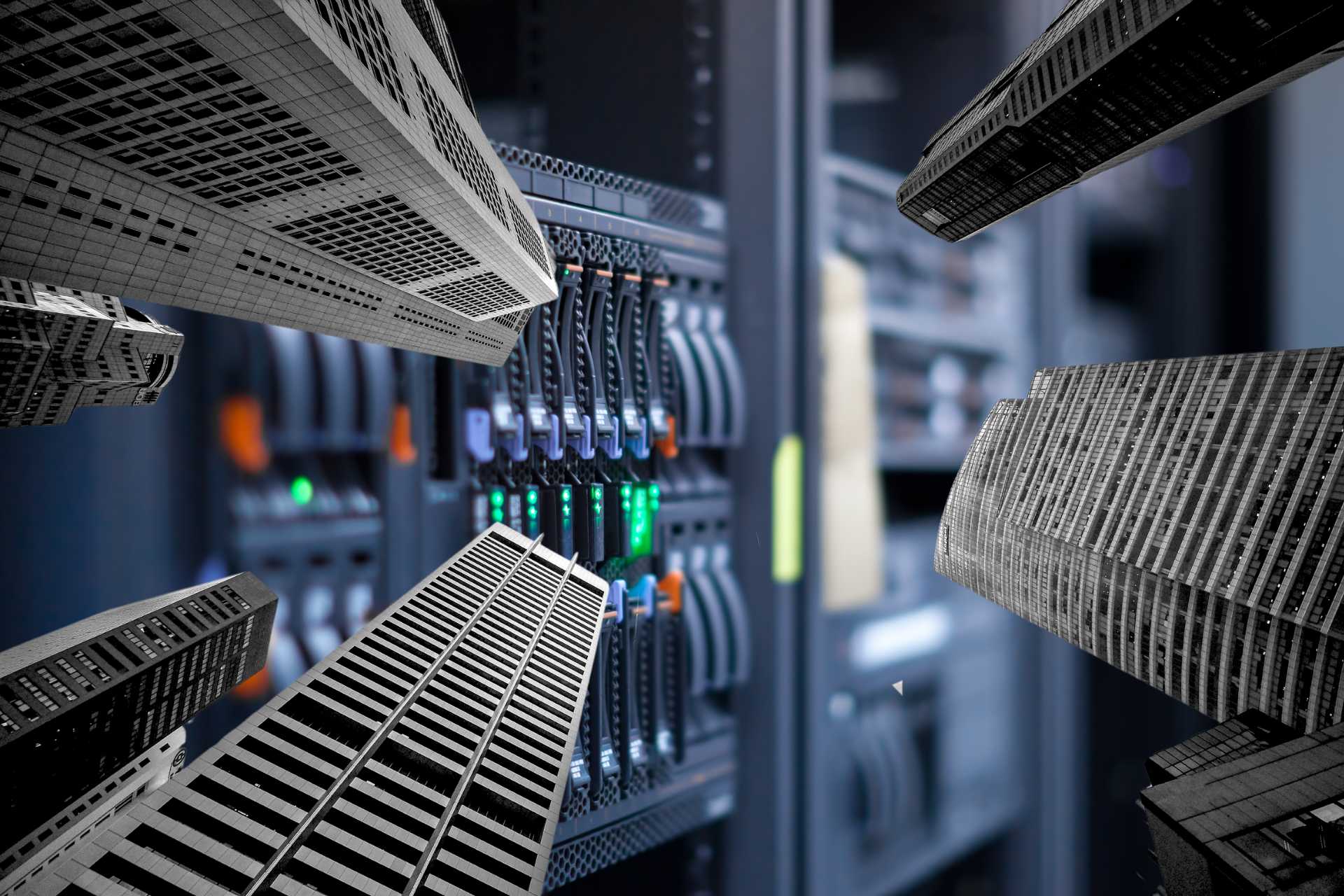
Photo: Latitude Media
A noticeable transformation is underway in the investment strategies of ultra high net worth individuals and institutional capital, with data center ownership emerging as a central focus. Instead of relying primarily on traditional real estate or equity portfolios, wealthy investors are increasingly treating computing infrastructure as a foundational asset class.
This shift is being driven by the explosive demand for artificial intelligence workloads, which require vast amounts of processing power, storage capacity, and network bandwidth. Data centers have evolved from passive infrastructure assets into active revenue generating engines tied directly to global digital growth.
Unlike conventional commercial real estate, modern data centers are deeply integrated with cloud service ecosystems and AI model training pipelines. This integration allows them to generate long term contracted revenue streams, often backed by hyperscale technology companies with strong balance sheets.
Investors are also attracted to the relative stability of data center cash flows. Many facilities operate under long term lease agreements with high credit tenants, providing predictable income profiles that contrast sharply with the volatility of public equity markets and speculative technology ventures.
Another factor influencing this trend is the scarcity of suitable infrastructure locations. Data centers require reliable energy access, advanced cooling systems, and strong connectivity networks. These constraints create high barriers to entry, which in turn protect asset value over time.
Energy consumption has become a defining variable in this sector. As AI models scale in complexity, electricity demand for compute clusters has surged, pushing investors to consider power availability as a primary investment criterion rather than a secondary operational cost.
This has led to a growing convergence between data center investments and energy infrastructure development. Wealthy investors are increasingly participating in or co financing renewable energy projects, grid expansion initiatives, and even nuclear power discussions to secure long term compute capacity.
Private equity groups and family offices are competing aggressively for exposure to existing and under development data center portfolios. In many cases, acquisitions are structured through joint ventures with technology firms that already operate large scale cloud ecosystems.
Geopolitical considerations are also influencing allocation decisions. Data sovereignty laws and regional cloud regulations are encouraging investors to diversify infrastructure holdings across multiple jurisdictions to reduce regulatory risk and ensure operational continuity.
The asset class is also benefiting from technological standardization. Modular data center designs and improved cooling efficiency have made large scale deployment faster and more cost effective, increasing scalability and return potential for investors.
As artificial intelligence continues to expand across industries, data centers are increasingly viewed not just as support infrastructure but as strategic economic assets. This reclassification is reshaping how capital is deployed in the global technology landscape.




Subscribe to unlock premium content
Sed at tellus, pharetra lacus, aenean risus non nisl ultricies commodo diam aliquet arcu enim eu leo porttitor habitasse adipiscing porttitor varius ultricies facilisis viverra lacus neque.
A comprehensive guide on Agile development

10 Productivity tools that are worth checking out

Top 7 Must have management tools for productivity

A comprehensive guide on Agile development
10 Productivity tools that are worth checking out
A comprehensive guide on Agile development