

Wealthy Collectors Move Into Rare Cultural Artifacts as Status Assets Diversify Beyond Fine Art
By
John Carter
Last updated:
April 1, 2026
First Published:
April 25, 2026


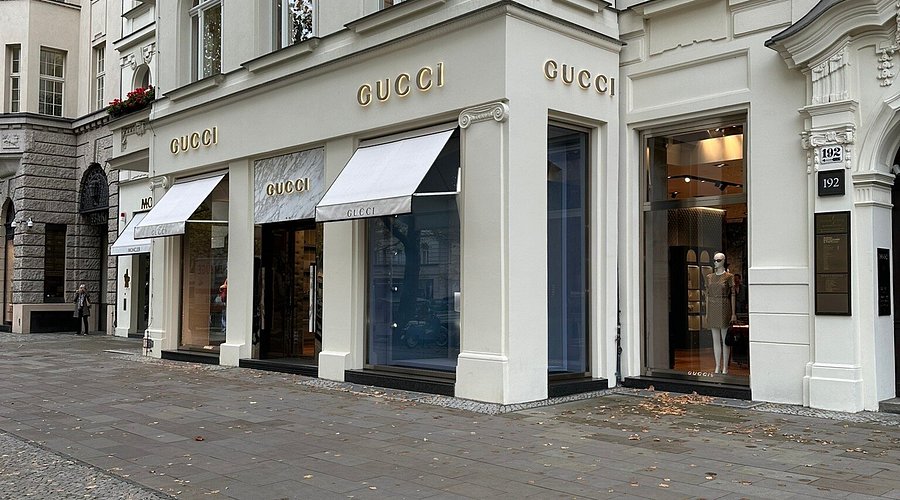
Photo: ny times
A New Chapter in Elite Collecting
For decades, fine art dominated the portfolios of wealthy collectors as the ultimate symbol of taste and status. Today, a noticeable shift is taking place. High net worth individuals are increasingly turning their attention toward rare cultural artifacts, expanding beyond paintings and sculptures into objects that carry deep historical and cultural significance. This evolution reflects a desire for distinction in a world where traditional luxury assets have become more accessible and widely owned.
Understanding the Appeal of Cultural Artifacts
Cultural artifacts offer something that conventional assets often cannot. They carry stories, heritage, and a sense of timelessness that resonates on a deeper level. Whether it is an ancient manuscript, a ceremonial object, or a piece of historical craftsmanship, these items represent a tangible connection to human history. For collectors, owning such artifacts is not only about possession but about stewardship of legacy.
Diversification Beyond Traditional Art Markets
The global art market has grown increasingly competitive and, in some cases, saturated. Prices for iconic works have reached extraordinary levels, making it difficult to find truly unique pieces. As a result, collectors are seeking alternatives that provide both exclusivity and long term value. Cultural artifacts present an opportunity to diversify portfolios while maintaining a strong connection to prestige and rarity.
Status Through Rarity and Narrative
In elite circles, status is often defined by what others cannot easily acquire. Cultural artifacts fit this criterion perfectly. Many of these items are one of a kind or exist in extremely limited quantities. Their value is amplified by the narratives they carry, from the civilizations they originated from to the journeys they have taken over centuries. This narrative dimension adds depth to ownership, transforming it into a conversation piece and a symbol of intellectual sophistication.
The Role of Private Dealers and Curators
Access to rare cultural artifacts is not straightforward. Transactions often occur through private dealers, specialized auctions, and discreet networks. Curators and advisors play a critical role in sourcing authentic pieces, verifying provenance, and guiding acquisitions. Their expertise ensures that collectors make informed decisions while navigating a market that can be complex and highly specialized.
Preservation and Responsibility
Owning cultural artifacts comes with significant responsibility. These objects often require careful preservation to maintain their integrity and value. Wealthy collectors are investing in advanced conservation techniques and climate controlled environments to protect their acquisitions. In many cases, they collaborate with historians and conservation experts to ensure that the artifacts are preserved for future generations.
Ethical Considerations in Artifact Ownership
The growing interest in cultural artifacts has also sparked debates around ethics and ownership. Questions about the rightful place of historical objects and the impact of private ownership on cultural heritage are increasingly being discussed. Collectors must navigate these concerns thoughtfully, balancing personal interest with respect for the origins and significance of the items they acquire.
Integration Into Modern Luxury Lifestyles
Cultural artifacts are being seamlessly integrated into modern luxury environments. They are displayed in private residences, curated spaces, and even corporate settings where they serve as focal points. This blending of ancient and contemporary aesthetics creates a unique atmosphere that reflects both sophistication and depth of knowledge.
Investment Potential and Market Dynamics
From an investment perspective, cultural artifacts offer intriguing possibilities. Their rarity and historical significance can lead to substantial appreciation over time. However, the market is less standardized than traditional art markets, requiring a higher level of expertise and due diligence. Collectors must consider factors such as provenance, authenticity, and legal frameworks when evaluating potential acquisitions.
The Influence of Global Wealth Trends
As wealth becomes more globally distributed, collecting trends are evolving accordingly. Buyers from diverse cultural backgrounds are entering the market, bringing new perspectives and interests. This diversity is expanding the range of artifacts in demand and reshaping the landscape of elite collecting.
A Shift Toward Meaningful Ownership
At its core, the move toward cultural artifacts reflects a broader shift in values among the ultra wealthy. There is a growing emphasis on meaningful ownership, where assets are chosen not only for their financial return but for their cultural and intellectual significance. This approach aligns with a desire to create a legacy that goes beyond material wealth.
Redefining Prestige in the Modern Age
The rise of cultural artifacts as status assets marks a significant transformation in the world of luxury collecting. It signals a move away from conventional displays of wealth toward a more nuanced expression of identity and influence. For today’s elite, true prestige lies not just in what is owned, but in the stories those possessions tell and the heritage they preserve.



Subscribe to unlock premium content
Sed at tellus, pharetra lacus, aenean risus non nisl ultricies commodo diam aliquet arcu enim eu leo porttitor habitasse adipiscing porttitor varius ultricies facilisis viverra lacus neque.
A comprehensive guide on Agile development

10 Productivity tools that are worth checking out

Top 7 Must have management tools for productivity

A comprehensive guide on Agile development
10 Productivity tools that are worth checking out
A comprehensive guide on Agile development