
Wealthy Elites Turn to Time Ownership Models Instead of Traditional Luxury Goods
By
Sophie Moore
Last updated:
January 30, 2026
First Published:
January 30, 2026


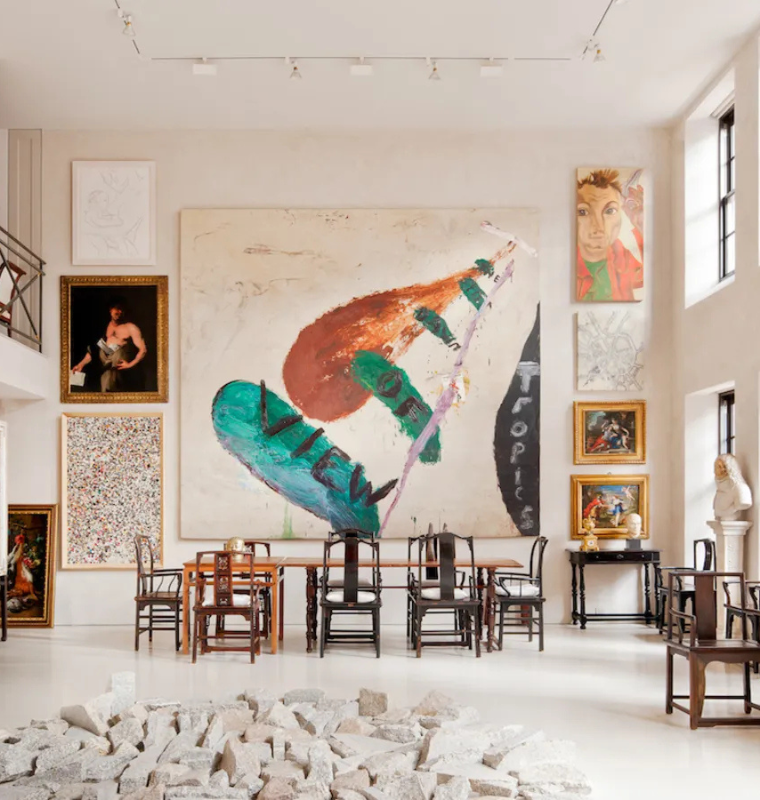
Photo: World Finance
Introduction to a New Form of Ownership
Among the world’s wealthiest individuals a subtle but profound shift is occurring. Traditional luxury goods such as yachts watches and jewelry are no longer the sole symbols of affluence. Instead, time ownership has emerged as the preferred form of wealth expression. This concept prioritizes access to unique experiences, exclusive moments, and temporal privileges over physical accumulation.
Understanding Time Ownership
Time ownership is the practice of investing in experiences, memberships, or assets that provide control over specific moments rather than permanent possessions. Examples include private retreat bookings, seasonal access to elite events, and fractional ownership of rare properties. The appeal lies in rarity, personalization, and the ability to curate life around meaningful experiences.
The Philosophy Behind the Shift
For elites, visibility is less important than memory creation and personal enrichment. Experiences convey sophistication and discernment, demonstrating a mastery of life’s most finite resource: time. Unlike traditional luxury items, which can be copied or bought by others, these temporal assets are unique and non-transferable in their immediate value.
Investment Perspective
Time ownership also intersects with financial strategy. Fractional access to private jets, heritage estates, or art collections allows wealthy individuals to leverage their capital efficiently. These arrangements provide prestige, social connection, and sometimes even income potential, all while reducing the liabilities associated with outright ownership.
Cultural Implications
The rise of time ownership reflects broader changes in elite culture. Younger generations of wealthy individuals prioritize experiences that foster self-development, privacy, and exclusivity. They are less motivated by social display and more by immersion in rare opportunities that create long-lasting personal narratives.
Luxury Market Response
High-end brands and service providers are adjusting to this demand. Customizable retreats, limited-access cultural events, and curated travel experiences have proliferated. The industry has shifted from selling objects to selling curated access, exclusivity, and ephemeral value that cannot be commoditized.
Social Signaling Through Experiences
Ownership of experiences becomes a subtle status symbol. Invitations to private dinners, exclusive retreats, and fractional access to prized properties demonstrate membership in elite circles. Social prestige is communicated through participation and discretion rather than visible wealth.
Comparing With Traditional Luxury Goods
While yachts and watches remain symbols of wealth, their value is increasingly seen as transactional rather than symbolic of refined taste. Time ownership embodies a deeper principle: that real privilege lies in how one structures life itself, not just in what one can buy.
Psychological Drivers
Time ownership satisfies the human desire for novelty, exclusivity, and self-actualization. It offers an escape from the predictable cycles of material acquisition, allowing wealthy individuals to curate narratives of adventure, culture, and learning that reinforce identity and legacy.
Future of Luxury and Wealth Expression
As the ultra wealthy continue to prioritize time over possessions, luxury markets will evolve further toward highly curated, ephemeral, and intangible offerings. Wealth will increasingly be measured by one’s capacity to control moments and experiences rather than material assets.
Conclusion on the Rise of Time-Based Luxury
Time ownership represents a transformation in how affluence is expressed. By shifting focus from objects to moments, wealthy elites demonstrate that the ultimate luxury is not what you have, but how you choose to spend your most limited and valuable resource.


Subscribe to unlock premium content
Sed at tellus, pharetra lacus, aenean risus non nisl ultricies commodo diam aliquet arcu enim eu leo porttitor habitasse adipiscing porttitor varius ultricies facilisis viverra lacus neque.
A comprehensive guide on Agile development

10 Productivity tools that are worth checking out
Top 7 Must have management tools for productivity

A comprehensive guide on Agile development
10 Productivity tools that are worth checking out
A comprehensive guide on Agile development