

Why the World’s Rich Are Quietly Buying Second Citizenship Through Investment Routes
By
John Carter
Last updated:
January 26, 2026
First Published:
January 26, 2026

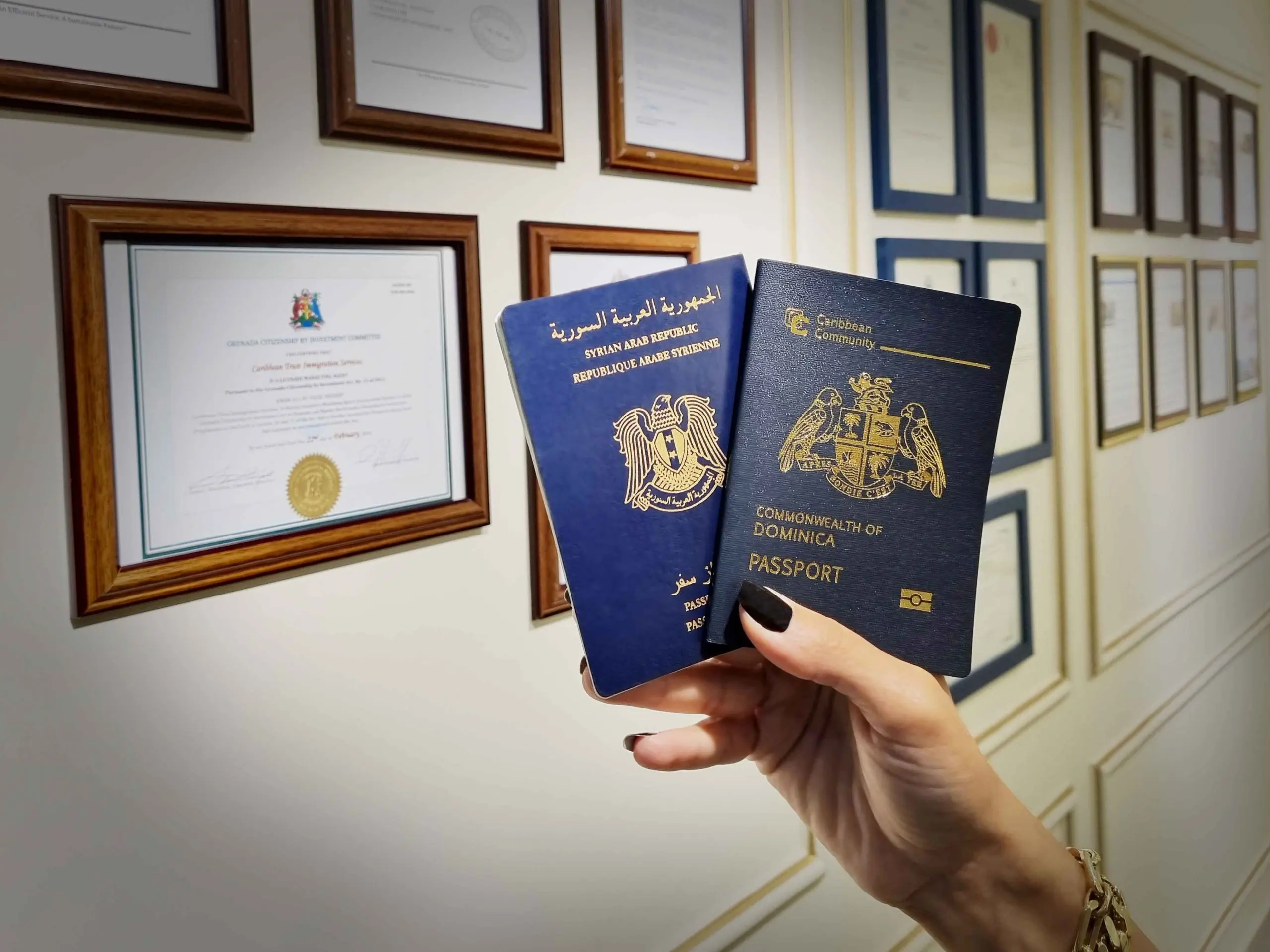
Photo: CTrustGlobal
A silent shift is taking place among the world’s wealthiest individuals as second citizenship becomes a strategic asset rather than a lifestyle upgrade. For ultra wealthy families passports are no longer symbolic documents but tools that unlock stability freedom and future options in an increasingly uncertain world.
Global volatility has reshaped how elites think about nationality. Political swings regulatory changes and capital controls can rapidly alter the safety of wealth and movement. A second citizenship offers an immediate alternative when primary jurisdictions become restrictive or unpredictable.
Investment based citizenship programs appeal because they operate within legal and structured frameworks. Wealth holders can acquire residency or nationality through real estate enterprise funding or sovereign contributions. These pathways allow families to diversify geopolitical exposure without public attention.
Mobility remains one of the strongest motivations. Access to visa free travel simplifies global business operations and personal movement. For families operating across continents the ability to enter key financial centers without delay is a powerful advantage.
Tax planning considerations also influence this trend. While not all programs offer tax benefits some provide flexibility in residency choices. This allows families to legally optimize obligations while remaining compliant across jurisdictions.
Security and contingency planning sit at the core of these decisions. Second citizenship acts as an insurance policy against sudden disruptions such as sanctions civil unrest or abrupt policy shifts. It ensures families retain options when conventional systems fail.
Privacy is another crucial factor. Many wealthy individuals pursue these arrangements quietly through private advisors. Discretion protects personal safety and prevents unwanted scrutiny while maintaining control over sensitive decisions.
Family continuity drives long term interest in citizenship diversification. Parents are increasingly securing options for future generations who may study work or settle abroad. A second passport expands opportunity without forcing immediate relocation.
Smaller nations have recognized this demand and structured competitive programs. These countries benefit from capital inflows while investors gain access to stable governance and international networks. The relationship is transactional but mutually reinforcing.
Citizenship acquisition has also become more values driven. Some families select countries aligned with education quality healthcare systems or long term environmental resilience. The choice reflects lifestyle priorities rather than prestige alone.
Legal and advisory ecosystems around these programs have grown increasingly sophisticated. Due diligence risk assessment and compliance processes ensure legitimacy and longevity. This professionalization has made the strategy more accessible to established wealth circles.
As borders harden and uncertainty grows second citizenship is no longer a luxury but a layer of strategic planning. For the world’s rich it represents foresight control and adaptability. In an era where flexibility defines power a second passport quietly delivers all three.



Subscribe to unlock premium content
Sed at tellus, pharetra lacus, aenean risus non nisl ultricies commodo diam aliquet arcu enim eu leo porttitor habitasse adipiscing porttitor varius ultricies facilisis viverra lacus neque.
A comprehensive guide on Agile development

10 Productivity tools that are worth checking out

Top 7 Must have management tools for productivity

A comprehensive guide on Agile development
10 Productivity tools that are worth checking out
A comprehensive guide on Agile development