

Alternative Assets Take Center Stage as High Net Worth Investors Move Beyond Traditional Markets
By
Maya K.
Last updated:
June 15, 2026
First Published:
June 15, 2026


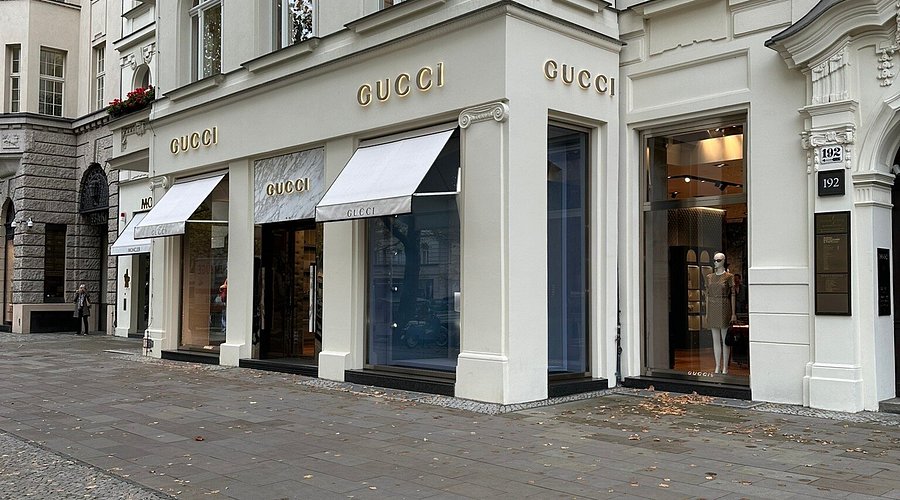
Photo: Madison Trust
The investment world is experiencing a significant transformation as high net worth individuals increasingly move beyond traditional stocks and bonds in pursuit of alternative assets. Across global wealth circles, investors are expanding their portfolios into private equity, private credit, infrastructure, collectibles, luxury assets, and specialized real estate opportunities. This shift reflects a broader change in how affluent individuals approach wealth preservation and long term growth in an increasingly unpredictable economic environment.
As financial markets continue to evolve, alternative investments are no longer viewed as niche opportunities reserved for institutional investors. They have become a central component of modern wealth management strategies, attracting billions of dollars from families, entrepreneurs, and sophisticated investors seeking greater diversification and unique sources of return.
A New Investment Landscape Emerges
For decades, traditional portfolio construction relied heavily on publicly traded equities and fixed income securities. These assets formed the foundation of wealth building strategies across generations.
However, changing market dynamics have encouraged investors to rethink this conventional approach. Economic uncertainty, inflation concerns, interest rate fluctuations, and geopolitical developments have highlighted the importance of broader diversification.
As a result, many wealthy individuals are looking beyond public markets and allocating capital to assets that offer different risk and return characteristics. This trend is reshaping the investment landscape and creating new opportunities for long term wealth creation.
The Growing Appeal of Alternative Assets
Alternative assets attract investors because they often operate independently from traditional market movements. While public equities can experience rapid fluctuations based on investor sentiment, alternative investments are frequently influenced by different factors such as operational performance, contractual income, asset scarcity, or long term economic trends.
This independence can help reduce portfolio volatility and improve resilience during periods of market stress.
For affluent investors focused on preserving wealth while pursuing growth, these characteristics make alternative assets increasingly attractive components of a balanced investment strategy.
Private Equity Leads the Movement
Among all alternative asset categories, private equity continues to receive substantial attention from high net worth investors. Private equity provides access to businesses before they become publicly traded and allows investors to participate in value creation at an earlier stage.
Many investors view private equity as an opportunity to capture growth that may not be available in public markets. Companies often remain private for longer periods than in previous decades, meaning significant value creation occurs before public listings.
By investing in private businesses, wealthy individuals gain exposure to innovation, entrepreneurship, and long term corporate development that can generate substantial returns over time.
Private Credit Gains Momentum
Private credit has emerged as another rapidly growing asset class. In this segment, investors provide financing directly to businesses rather than relying on traditional banking institutions.
This approach offers opportunities to earn attractive income while supporting companies seeking capital for expansion, acquisitions, or operational growth.
Many wealthy investors appreciate the predictable cash flow characteristics associated with private credit investments. In an environment where income generation remains an important objective, private credit has become a valuable addition to diversified portfolios.
Its continued growth reflects increasing demand for investment solutions that balance income potential with strategic risk management.
Real Assets Offer Stability
Real assets continue to play a critical role within alternative investment strategies. Infrastructure projects, logistics facilities, data centers, agricultural land, and specialized commercial properties are attracting growing interest from sophisticated investors.
These assets often generate income while benefiting from long term economic trends such as urbanization, digital transformation, and population growth.
Unlike purely financial investments, real assets possess tangible value and practical utility. This combination of physical ownership and income generation appeals strongly to investors seeking stability during uncertain economic periods.
As demand for essential infrastructure continues rising globally, real assets are expected to remain a key focus area for wealth preservation strategies.
Luxury Collectibles Become Investment Vehicles
The world of luxury collectibles has evolved far beyond personal passion and lifestyle enjoyment. Fine art, rare watches, vintage automobiles, premium wines, and historical memorabilia are increasingly viewed as legitimate investment assets.
Many affluent individuals are allocating a portion of their portfolios to collectibles because of their scarcity and long term appreciation potential. Certain luxury assets have demonstrated remarkable value growth over extended periods, attracting both seasoned collectors and first time investors.
Beyond financial considerations, collectibles also offer emotional and cultural value, creating a unique investment experience that differs significantly from traditional asset classes.
Family Offices Drive Innovation
Family offices are playing a major role in accelerating the adoption of alternative assets. These organizations manage the financial affairs of ultra wealthy families and often possess the flexibility to pursue specialized investment opportunities.
Many family offices have developed dedicated teams focused entirely on sourcing and evaluating alternative investments. Their long investment horizons allow them to commit capital to opportunities that may require years to reach full potential.
This patient approach aligns well with alternative asset strategies that prioritize long term value creation over short term market performance.
As family offices continue growing in influence, their investment preferences are helping shape broader wealth management trends.
Technology Expands Access
Technology is making alternative investments more accessible than ever before. Advanced investment platforms, digital marketplaces, and sophisticated analytics tools allow investors to identify opportunities that were once available only to a select group of institutions.
Improved transparency and enhanced data analysis capabilities are helping investors make more informed decisions across a wide range of asset classes.
Technology is also simplifying portfolio monitoring and performance evaluation, enabling wealth managers to integrate alternative investments more effectively into broader financial strategies.
This digital evolution is contributing significantly to the rapid growth of the alternative asset sector.
Diversification Becomes a Strategic Necessity
Diversification remains one of the strongest motivations behind the growing interest in alternative investments. Wealthy investors recognize that relying exclusively on traditional markets may expose portfolios to concentrated risks.
By incorporating private equity, private credit, infrastructure, real estate, and collectibles, investors can create multiple sources of return that respond differently to economic conditions.
This approach enhances portfolio resilience while improving the potential for long term performance. In a world where uncertainty has become a constant factor, diversification is increasingly viewed as a strategic necessity rather than a simple investment principle.
The Future of Wealth Management Is Expanding
The rise of alternative assets reflects a broader transformation occurring throughout the wealth management industry. Investors are becoming more sophisticated, more globally connected, and more willing to explore opportunities beyond traditional financial markets.
This evolution is encouraging innovation among asset managers, financial advisors, and investment firms seeking to meet changing client expectations.
As access improves and awareness grows, alternative investments are likely to occupy an even larger role within affluent portfolios over the coming decade.
A New Chapter for Modern Investors
The growing embrace of alternative assets signals the beginning of a new chapter in wealth management. High net worth investors are no longer limiting themselves to conventional investment strategies. Instead, they are building diversified portfolios that combine traditional assets with opportunities capable of delivering unique value, stability, and growth.
From private equity and private credit to luxury collectibles and infrastructure projects, alternative investments are becoming essential tools for navigating a rapidly changing financial landscape.
As wealthy individuals continue seeking innovative ways to preserve and expand their fortunes, alternative assets appear positioned to remain at the center of modern investment strategy for years to come.



Subscribe to unlock premium content
Sed at tellus, pharetra lacus, aenean risus non nisl ultricies commodo diam aliquet arcu enim eu leo porttitor habitasse adipiscing porttitor varius ultricies facilisis viverra lacus neque.
A comprehensive guide on Agile development

10 Productivity tools that are worth checking out

Top 7 Must have management tools for productivity

A comprehensive guide on Agile development
10 Productivity tools that are worth checking out
A comprehensive guide on Agile development