
Luxury Property Remains a Safe Haven as Ultra Wealthy Investors Rebalance Portfolios in 2026
By
John Carter
Last updated:
June 15, 2026
First Published:
June 15, 2026


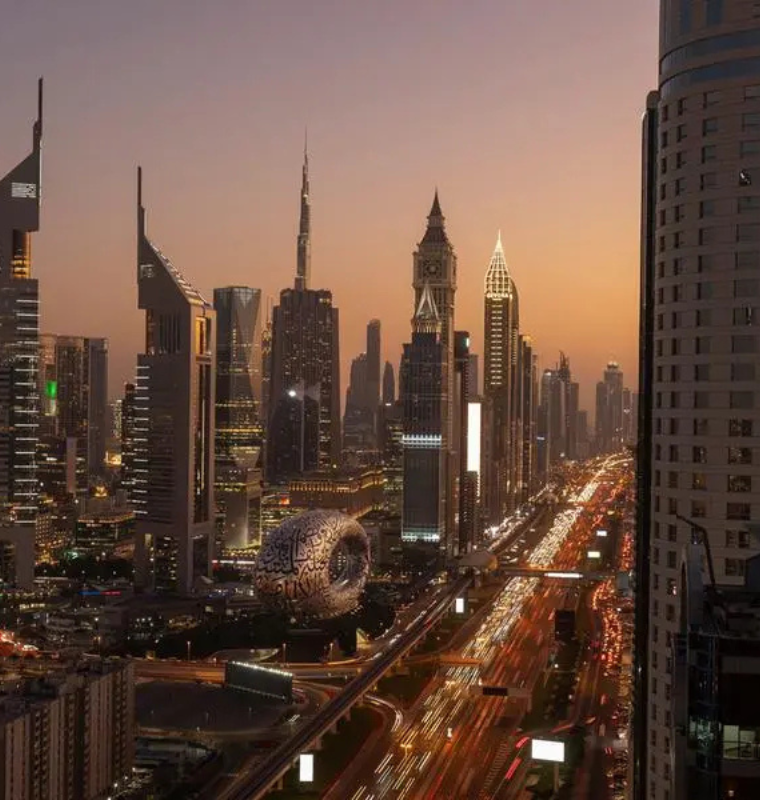
Photo: Nikkei Asia
In an investment environment defined by changing market conditions, shifting economic forecasts, and evolving geopolitical dynamics, luxury real estate has once again emerged as one of the most trusted destinations for global wealth. Throughout 2026, ultra wealthy investors have increasingly turned their attention toward premium residential and commercial properties as they rebalance portfolios and seek assets capable of preserving value over the long term.
While financial markets continue to experience periods of volatility, luxury property remains remarkably resilient. From iconic city residences to exclusive coastal estates and landmark commercial developments, affluent investors continue to view prime real estate as a cornerstone of wealth preservation and strategic asset allocation.
The Enduring Appeal of Tangible Assets
One of the primary reasons luxury property remains attractive is its tangible nature. Unlike stocks, bonds, or digital assets that can experience dramatic price fluctuations within hours, real estate offers physical ownership and lasting utility.
For wealthy individuals managing substantial portfolios, this characteristic provides an additional sense of security. Prime properties are not simply investments. They are real assets with practical value, income generating potential, and long term demand.
This tangible quality becomes especially appealing during periods when investors seek stability and predictability in an increasingly complex financial environment.
Wealth Preservation Takes Priority
Many affluent investors are entering a new phase of wealth management where preservation has become as important as growth. After years of significant wealth creation across technology, finance, and entrepreneurship, attention is increasingly shifting toward protecting accumulated assets.
Luxury real estate aligns naturally with this objective. High quality properties located in desirable markets have historically demonstrated an ability to retain value through various economic cycles.
For investors focused on multigenerational wealth planning, premium property serves as both a financial asset and a legacy asset capable of benefiting future generations.
Prime Locations Continue to Command Attention
Location remains the defining factor within the luxury property market. Ultra wealthy buyers are concentrating investments in destinations that combine economic strength, lifestyle appeal, political stability, and limited property supply.
Global financial centers, prestigious residential districts, waterfront communities, and internationally recognized luxury destinations continue attracting significant investment activity.
Properties situated in highly desirable locations often experience stronger demand and greater resilience during market downturns. This scarcity factor contributes to their long term value proposition and enhances their appeal among wealthy investors.
Portfolio Diversification Drives Demand
Diversification remains one of the most important principles in wealth management. Many investors are reducing dependence on a single asset class and building portfolios that can perform across varying economic conditions.
Luxury real estate plays a valuable role within this strategy. Property investments often behave differently from public equities and other financial assets, helping reduce overall portfolio risk.
By allocating capital across multiple sectors and geographic regions, wealthy investors seek to create more balanced portfolios capable of withstanding unexpected market developments.
The growing demand for luxury property reflects this broader commitment to diversification and risk management.
International Buyers Expand Their Presence
Cross border investment activity continues to shape the global luxury property market. Wealthy individuals are increasingly purchasing real estate outside their home countries as part of broader wealth planning strategies.
These acquisitions are often motivated by lifestyle preferences, business interests, educational opportunities, or long term residency considerations. International diversification also allows investors to gain exposure to different economic environments and currency markets.
As global mobility continues evolving, luxury real estate remains an important tool for affluent families seeking flexibility and international access.
Branded Residences Gain Momentum
One of the fastest growing segments within luxury real estate is the branded residence sector. High net worth individuals are showing strong interest in developments associated with prestigious hospitality and luxury brands.
These properties offer a unique combination of private ownership and premium services. Residents often benefit from concierge support, wellness amenities, security, and hospitality experiences that enhance convenience and lifestyle quality.
For many wealthy buyers, branded residences represent more than property ownership. They offer access to a carefully curated living experience that reflects modern luxury expectations.
Technology Is Transforming Property Investment
Technology is reshaping nearly every aspect of the luxury real estate market. Investors now rely on advanced analytics, virtual property tours, artificial intelligence driven market insights, and sophisticated valuation tools to make informed decisions.
These innovations improve transparency and efficiency while allowing investors to evaluate opportunities across multiple regions more effectively.
Technology also enables wealth managers and family offices to monitor portfolio performance in real time, strengthening strategic decision making and enhancing overall asset management capabilities.
As digital tools become increasingly sophisticated, luxury property investing continues evolving alongside broader technological advancements.
Sustainability Influences Buyer Preferences
Environmental considerations are becoming increasingly important among affluent buyers. Many investors now prioritize properties that incorporate energy efficiency, sustainable construction methods, and environmentally responsible design principles.
Luxury developments featuring green technologies, wellness focused amenities, and sustainable infrastructure are attracting significant interest from modern buyers.
This shift reflects a broader recognition that environmental responsibility and long term asset value are closely connected. Sustainable properties often appeal to future generations and may offer advantages as regulatory expectations continue evolving.
Consequently, sustainability has become an important factor in the future of luxury real estate investment.
Family Offices Increase Real Estate Allocations
Family offices remain among the most influential participants in the luxury property market. These organizations manage the wealth of ultra high net worth families and often maintain investment horizons spanning several decades.
Many family offices are increasing allocations to premium real estate because of its ability to provide stability, income generation, and capital appreciation. Property investments also align well with multigenerational wealth transfer strategies.
As family offices continue expanding globally, their growing presence is expected to further strengthen demand for high quality real estate assets in leading markets.
Luxury Property Enters a New Golden Era
The resilience of luxury real estate in 2026 demonstrates why it continues to occupy a unique position within the wealth management landscape. While financial markets evolve and investment trends shift, prime property remains a trusted store of value for affluent individuals around the world.
Its combination of tangible ownership, long term appreciation potential, portfolio diversification benefits, and lifestyle appeal creates a compelling investment case that few asset classes can replicate.
As ultra wealthy investors continue rebalancing portfolios and preparing for future economic developments, luxury property appears poised to remain one of the most sought after destinations for global capital. For those focused on preserving and growing wealth across generations, premium real estate is proving that its appeal remains as strong as ever.



Subscribe to unlock premium content
Sed at tellus, pharetra lacus, aenean risus non nisl ultricies commodo diam aliquet arcu enim eu leo porttitor habitasse adipiscing porttitor varius ultricies facilisis viverra lacus neque.
A comprehensive guide on Agile development

10 Productivity tools that are worth checking out

Top 7 Must have management tools for productivity

A comprehensive guide on Agile development
10 Productivity tools that are worth checking out
A comprehensive guide on Agile development