

The Great Wealth Transfer Accelerates as Trillions Prepare to Change Hands Across Generations
By
Sophie Moore
Last updated:
June 15, 2026
First Published:
June 15, 2026


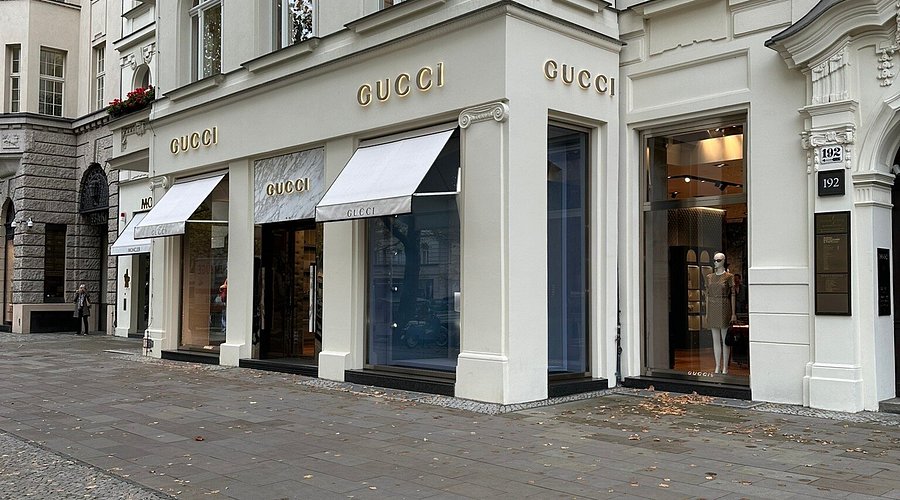
Photo: Financial Times
One of the most significant financial events in modern history is unfolding as trillions of dollars in assets prepare to move from older generations to their heirs. Often referred to as the Great Wealth Transfer, this massive redistribution of wealth is expected to influence investment strategies, luxury spending, philanthropy, entrepreneurship, and family financial planning for decades to come.
As aging business owners, investors, and wealthy families prepare succession plans, the next generation is positioned to inherit unprecedented levels of wealth. Financial experts believe this transfer will not only reshape individual fortunes but also transform entire industries that serve affluent consumers and investors.
Understanding the Scale of the Wealth Transfer
The magnitude of the Great Wealth Transfer is unlike anything previously witnessed. Across North America, Europe, Asia, and the Middle East, enormous fortunes accumulated over decades are gradually being passed to children, grandchildren, and future family beneficiaries.
These assets include private businesses, real estate portfolios, stock holdings, luxury collections, family offices, and investment funds. In many cases, wealth accumulated through entrepreneurship, industrial expansion, technology innovation, and financial market growth is now entering a new phase of ownership.
The scale of this transition is so substantial that economists view it as one of the defining financial developments of the twenty first century.
A New Generation Takes Control
Unlike previous generations, many future heirs grew up in a world shaped by technology, globalization, and digital connectivity. Their perspectives on wealth management often differ significantly from those of their parents and grandparents.
While older generations frequently prioritized capital preservation and traditional investments, younger affluent individuals often demonstrate greater interest in innovation, sustainability, technology driven businesses, and alternative assets.
As they assume control of family wealth, their preferences are expected to influence how capital is invested, allocated, and managed across global markets.
This shift may create entirely new opportunities within industries that align with changing values and priorities.
Family Offices Prepare for a Major Transition
Family offices are playing a central role in managing the complexities of intergenerational wealth transfer. These organizations oversee investments, estate planning, tax strategies, governance structures, and philanthropic initiatives for wealthy families.
As leadership transitions occur, family offices are increasingly focused on educating younger family members about financial responsibility and long term wealth stewardship.
Many families are establishing governance frameworks that encourage collaboration between generations while ensuring that wealth remains aligned with family values and objectives.
The success of these preparations may determine how effectively wealth is preserved and expanded in the decades ahead.
Investment Preferences Are Changing
The transfer of wealth is expected to significantly influence investment markets. Younger investors frequently express interest in sectors that differ from those favored by earlier generations.
Technology, renewable energy, artificial intelligence, biotechnology, digital infrastructure, and private market investments are attracting growing attention among next generation wealth holders.
Many heirs also seek greater transparency and direct involvement in investment decisions. Rather than relying solely on traditional financial institutions, they often prefer customized strategies that reflect their personal interests and long term goals.
This evolution is encouraging wealth management firms to adapt their services to meet changing client expectations.
Luxury Markets Face a New Era
Luxury brands and premium service providers are closely monitoring the Great Wealth Transfer because it is expected to reshape consumer behavior within affluent households.
Younger wealthy individuals often approach luxury differently. While they continue to value exclusivity and quality, many also prioritize experiences, personalization, sustainability, and authenticity.
As a result, luxury travel, wellness services, bespoke products, and experiential offerings are becoming increasingly important components of the high end consumer market.
Companies that understand these evolving preferences may be well positioned to benefit from the next generation of affluent spending.
Philanthropy Gains New Momentum
The Great Wealth Transfer is also expected to influence charitable giving on a global scale. Many younger wealth holders express strong interest in social impact, environmental sustainability, healthcare advancement, and educational initiatives.
As inherited wealth changes hands, significant resources may be directed toward philanthropic projects and charitable foundations. This trend could create substantial funding opportunities for organizations addressing complex social and environmental challenges.
Many families are already incorporating philanthropy into succession planning discussions to ensure that future generations continue supporting causes aligned with shared values.
This approach allows wealth to create both financial and societal impact over time.
Entrepreneurship May Receive a Boost
A substantial portion of transferred wealth is expected to support entrepreneurial activity. Many younger investors are interested in funding innovative startups, emerging technologies, and disruptive business models.
Access to inherited capital can provide future entrepreneurs with resources needed to pursue ambitious ideas and build new enterprises.
This influx of investment capital could stimulate innovation across numerous industries while creating opportunities for economic growth and job creation.
The entrepreneurial ecosystem may benefit significantly as newly wealthy individuals seek opportunities to participate in the next wave of business development.
Education and Financial Literacy Become Essential
One of the greatest challenges associated with wealth transfer is ensuring that future generations are prepared to manage substantial financial resources responsibly.
Many families are investing heavily in financial education programs designed to teach investment principles, governance practices, business management skills, and long term planning techniques.
Financial literacy is increasingly viewed as a critical component of successful wealth preservation. Without proper preparation, even significant fortunes can diminish over time.
As a result, education is becoming an essential part of succession planning for affluent families worldwide.
Real Estate Remains a Critical Asset
Real estate continues to represent a major component of transferred wealth. Luxury residences, commercial properties, agricultural land, and investment developments are frequently included in multigenerational portfolios.
Future heirs will inherit not only financial assets but also responsibility for managing substantial property holdings. This reality is encouraging greater emphasis on real estate education, professional management, and long term planning.
Many experts believe property will remain a cornerstone of wealth preservation strategies even as investment preferences evolve.
Its combination of income generation, appreciation potential, and tangible ownership continues to appeal across generations.
The Emotional Side of Wealth Transfer
While financial considerations dominate many discussions, wealth transfer is also deeply personal. Families must navigate emotional dynamics, expectations, responsibilities, and legacy considerations that extend far beyond monetary value.
Successful transitions often require open communication, clear planning, and shared understanding among family members. Wealth represents not only financial security but also years of effort, sacrifice, and achievement.
Preserving family unity while transferring assets can be just as important as managing investment performance.
This human dimension remains one of the most important aspects of successful succession planning.
A Defining Economic Event for the Coming Decades
The Great Wealth Transfer represents far more than a routine inheritance cycle. It is a historic economic event with the potential to reshape financial markets, consumer behavior, philanthropy, entrepreneurship, and wealth management practices around the world.
As trillions of dollars move between generations, new leaders will emerge, new priorities will take shape, and new opportunities will develop across numerous industries. The decisions made by future wealth holders will influence not only their own families but also broader economic and social outcomes.
For investors, businesses, and financial institutions, understanding this transition is becoming increasingly important. The Great Wealth Transfer is not simply changing who owns wealth. It is redefining how wealth will be managed, invested, and utilized in the decades ahead.



Subscribe to unlock premium content
Sed at tellus, pharetra lacus, aenean risus non nisl ultricies commodo diam aliquet arcu enim eu leo porttitor habitasse adipiscing porttitor varius ultricies facilisis viverra lacus neque.
A comprehensive guide on Agile development

10 Productivity tools that are worth checking out

Top 7 Must have management tools for productivity

A comprehensive guide on Agile development
10 Productivity tools that are worth checking out
A comprehensive guide on Agile development