
America Emerges as the Top Luxury Spending Destination
By
Maya K.
Last updated:
May 31, 2026
First Published:
May 31, 2026

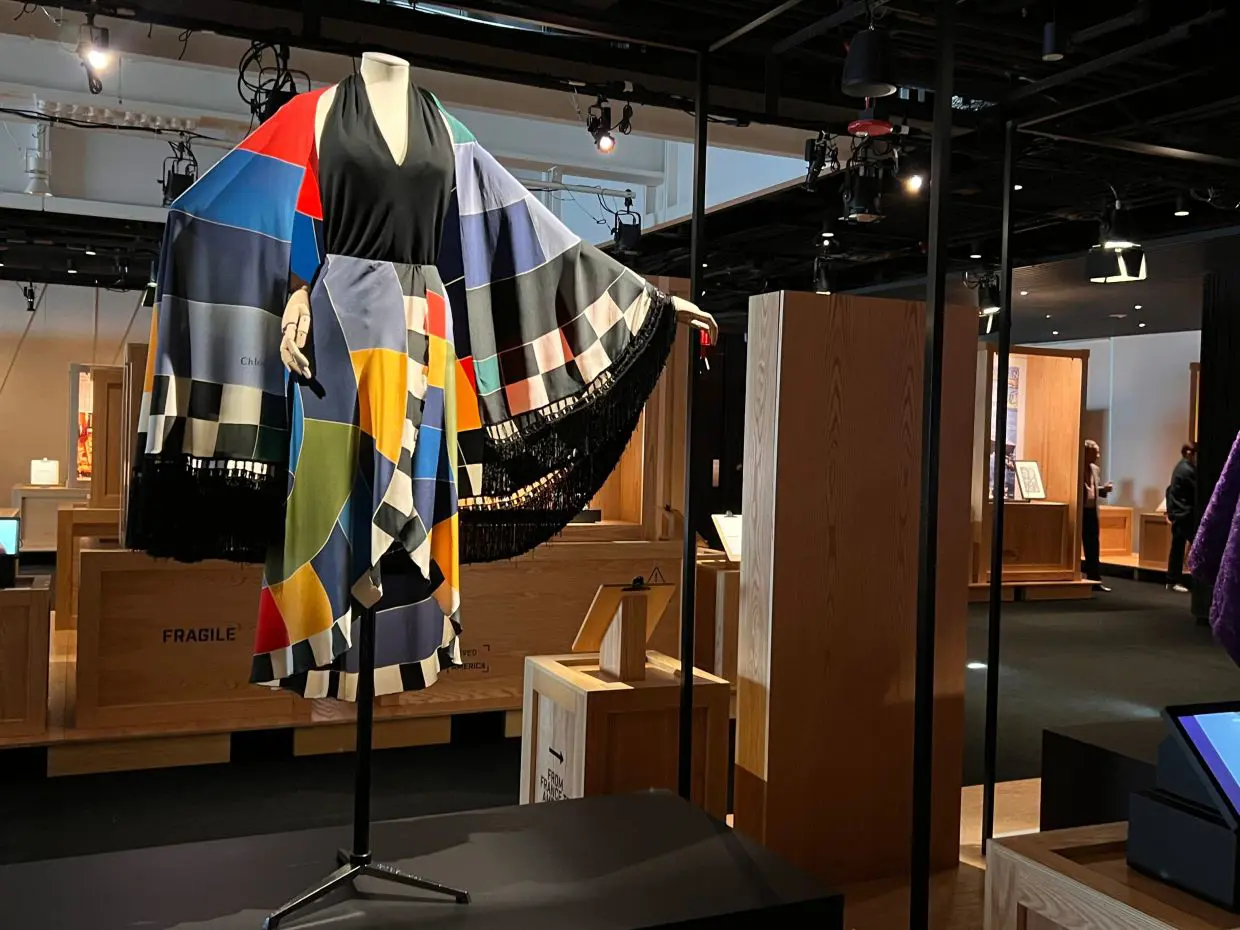
Photo: The Star
Luxury consumption patterns across the United States are undergoing a noticeable expansion as international fashion powerhouses deepen their presence in major American cities. The period around late May to early June 2026 highlights a continued acceleration in high end retail spending, driven by affluent domestic buyers and global visitors seeking premium experiences.
The United States is increasingly viewed as a central hub for luxury consumption due to its concentration of high income households, strong tourism inflows, and rapidly evolving experiential retail landscape. Cities such as New York, Los Angeles, and Miami are becoming focal points where luxury is no longer limited to traditional shopping but extended into immersive brand environments.
A major force behind this transformation is the strategic investment by French fashion houses such as Chanel, Louis Vuitton, and Dior. These brands are redefining retail spaces by blending hospitality, art, and exclusive client services into their flagship locations across the United States.
In New York, luxury districts are evolving into curated cultural zones where flagship stores function as both retail environments and private social spaces. Wealthy consumers are no longer simply purchasing goods but engaging in personalized experiences that include private viewings, bespoke tailoring sessions, and invitation only events hosted by luxury brands.
Los Angeles continues to expand its role as a lifestyle driven luxury market where entertainment culture intersects with high fashion. Celebrities, entrepreneurs, and international investors contribute to a demand environment that prioritizes exclusivity, customization, and brand storytelling over traditional retail transactions.
Miami has emerged as a dynamic luxury gateway connecting North American, Latin American, and European wealth flows. The city’s luxury districts are increasingly populated with experiential boutiques that combine art installations, high end dining, and private client lounges, reinforcing its position as a rising global luxury destination.
A key trend shaping this landscape is the shift from product centered luxury to experience centered luxury. Wealthy consumers are placing greater value on brand immersion, emotional engagement, and exclusive access. This shift is encouraging brands to invest heavily in architectural design and curated customer journeys.
French fashion houses are particularly influential in this transformation. Their strategy in the United States focuses on creating destination flagship stores that function as cultural landmarks. These spaces often feature limited edition collections, private appointment rooms, and collaborations with contemporary artists to maintain a sense of rarity and prestige.
Another important driver is the growing importance of retail tourism. International visitors traveling to the United States often include luxury shopping as a core part of their travel itinerary. This behavior strengthens the position of American cities as global luxury spending centers, particularly during peak travel seasons.
Digital integration is also reshaping luxury spending habits. High end brands are combining online personalization with offline exclusivity, allowing clients to begin their journey digitally and complete it in curated physical environments. This hybrid model enhances convenience while preserving exclusivity.
Looking ahead, the United States is expected to maintain its leadership in luxury spending due to its economic scale, cultural influence, and concentration of wealth. As French fashion houses continue expanding experiential offerings, the boundary between retail, hospitality, and lifestyle will continue to blur, reinforcing America’s role as a dominant force in global luxury consumption.
Subscribe to unlock premium content
Sed at tellus, pharetra lacus, aenean risus non nisl ultricies commodo diam aliquet arcu enim eu leo porttitor habitasse adipiscing porttitor varius ultricies facilisis viverra lacus neque.
A comprehensive guide on Agile development
10 Productivity tools that are worth checking out
Top 7 Must have management tools for productivity
A comprehensive guide on Agile development
10 Productivity tools that are worth checking out
A comprehensive guide on Agile development