
Record Wealth Creation Fuels Rising Demand for Prime Global Properties Among Younger High Net Worth Buyers
By
Sophie Moore
Last updated:
June 22, 2026
First Published:
June 22, 2026

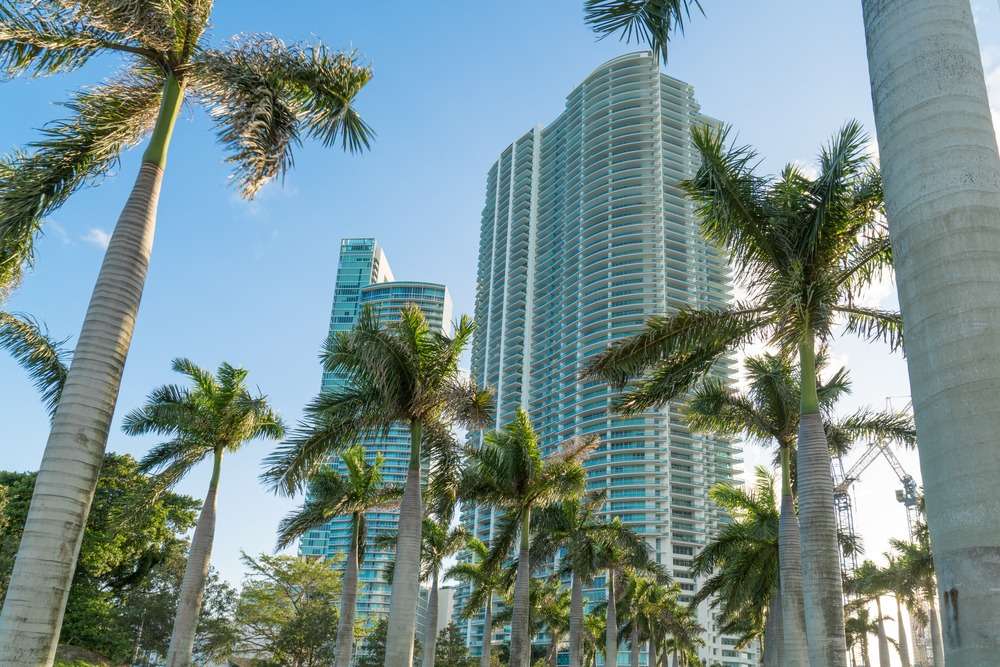
Photo: Benoit Properties International
The global luxury property market is experiencing a significant transformation as unprecedented wealth creation gives rise to a new generation of affluent buyers. Across major financial centers and emerging economic hubs, younger high net worth individuals are entering the market with different priorities, investment strategies, and lifestyle expectations than those of previous generations. Their growing influence is reshaping the future of prime real estate and redefining what luxury property means in the modern era.
Over the past several years, technological innovation, entrepreneurship, private investments, and expanding global business opportunities have created substantial wealth among younger professionals and business leaders. As a result, luxury real estate markets are witnessing increased demand from buyers who are often decades younger than the traditional clientele associated with high value properties. This demographic shift is becoming one of the most important trends influencing the global property sector.
Wealth Creation Accelerates Across Multiple Industries
Historically, substantial wealth accumulation often occurred later in life after decades of business success or corporate advancement. Today, many individuals are achieving financial success much earlier through technology ventures, digital businesses, financial services, artificial intelligence companies, and innovative startup ecosystems.
This rapid wealth creation has produced a growing number of young investors with significant purchasing power. Unlike previous generations, these buyers frequently possess global perspectives and diversified income sources. Their investment decisions are often influenced by international opportunities rather than being limited to a single country or region. This expanded outlook is contributing to stronger demand for prime real estate in multiple global markets.
Luxury Property Remains a Preferred Wealth Asset
Despite the rise of alternative investments and digital assets, luxury real estate continues to hold strong appeal among affluent individuals. Prime properties are often viewed as tangible assets capable of preserving wealth while offering long term appreciation potential.
Many younger investors appreciate the stability associated with premium real estate ownership. In an environment where financial markets can experience significant volatility, luxury properties provide a sense of security and permanence. Beyond financial considerations, ownership of prestigious real estate also delivers lifestyle benefits that cannot be replicated by purely financial investments.
Lifestyle Considerations Influence Purchasing Decisions
One of the defining characteristics of younger high net worth buyers is the emphasis they place on lifestyle. While investment potential remains important, many affluent individuals seek properties that support personal wellbeing, flexibility, and quality of life.
Modern luxury buyers often prioritize wellness amenities, outdoor living spaces, advanced technology integration, and access to cultural experiences. They are increasingly interested in properties that align with their daily habits and long term aspirations. This focus on lifestyle is encouraging developers to design residences that balance luxury with functionality and personal comfort.
Global Mobility Expands Property Preferences
The ability to work, travel, and conduct business across multiple locations has significantly influenced luxury real estate demand. Many younger affluent individuals maintain international lifestyles that involve frequent movement between countries and major cities.
As a result, buyers are often interested in acquiring properties in several strategic locations rather than concentrating their investments in a single market. Major financial centers, coastal destinations, cultural capitals, and emerging luxury hubs are all benefiting from this trend. Global mobility has transformed property ownership into a component of broader lifestyle and wealth management strategies.
Technology Shapes Modern Real Estate Expectations
Technology has become an essential factor in luxury property selection. Younger buyers, having grown up in a digitally connected world, expect residences to incorporate advanced technological capabilities that enhance convenience, efficiency, and security.
Smart home systems, automated climate controls, integrated security platforms, and intelligent energy management solutions are increasingly viewed as standard features rather than optional upgrades. Developers are responding by creating highly connected living environments that meet the expectations of digitally sophisticated buyers. Technology is no longer a luxury addition but a fundamental component of premium real estate.
Sustainability Gains Importance Among Affluent Buyers
Environmental awareness continues to influence purchasing decisions among younger high net worth individuals. Many buyers are seeking properties that demonstrate responsible design practices and long term sustainability.
Energy efficient systems, environmentally conscious construction materials, renewable energy integration, and resource conservation technologies are becoming attractive features within luxury developments. Affluent buyers increasingly recognize that sustainability can contribute both to personal wellbeing and long term property value. This trend is encouraging developers to incorporate environmentally responsible solutions into future projects.
Prime Cities Continue to Attract Investment
Major global cities remain among the most sought after destinations for luxury property acquisition. Financial opportunities, cultural attractions, educational institutions, and business connectivity continue to make these locations appealing to affluent investors.
At the same time, younger buyers are expanding their focus beyond traditional luxury markets. Emerging cities with strong economic growth, technological innovation, and lifestyle advantages are attracting increasing attention. This diversification is creating new opportunities within the global luxury real estate landscape while reinforcing demand across established destinations.
Luxury Real Estate as a Legacy Asset
Many younger affluent individuals are approaching property ownership with a long term perspective. Rather than viewing luxury homes solely as personal residences, they increasingly consider them part of broader wealth preservation and legacy planning strategies.
Prime real estate often serves as a multigenerational asset capable of retaining value over extended periods. Families frequently view prestigious properties as investments that can be passed on to future generations while continuing to provide lifestyle benefits. This long term outlook reinforces the enduring appeal of luxury real estate within sophisticated wealth management plans.
Developers Adapt to a New Buyer Demographic
The growing influence of younger buyers is prompting significant changes within the luxury development industry. Developers are investing in research to better understand the priorities, preferences, and expectations of this emerging customer base.
Projects increasingly feature flexible living spaces, wellness facilities, sustainability initiatives, advanced technologies, and community oriented amenities. Design concepts are becoming more adaptable to modern lifestyles while maintaining the exclusivity and elegance expected within luxury markets. Developers recognize that attracting younger affluent buyers requires a deeper understanding of evolving consumer values.
Investment Diversification Drives Continued Demand
Diversification remains a central principle among wealthy investors. Younger high net worth individuals often build portfolios that include public equities, private investments, technology ventures, alternative assets, and premium real estate.
Luxury properties provide a valuable complement to these broader investment strategies. Their tangible nature, potential for appreciation, and ability to generate rental income make them attractive additions to diversified portfolios. As wealth creation continues across various industries, demand for prime real estate is likely to remain strong among investors seeking balance and stability.
The Future of Global Luxury Property Markets
The emergence of younger affluent buyers represents one of the most significant developments in luxury real estate today. Their preferences are influencing everything from architectural design and technological integration to sustainability standards and lifestyle amenities.
As wealth creation continues to accelerate globally, this generation will play an increasingly important role in shaping market trends and investment priorities. Developers, investors, and industry professionals are adapting to meet their expectations while preparing for continued growth in demand for premium properties.
The future of luxury real estate will likely be defined by flexibility, innovation, sustainability, and global connectivity. Younger high net worth buyers are not simply participating in the market. They are actively transforming it through their purchasing decisions and long term vision.
With record wealth creation continuing to expand opportunities across industries and regions, prime global properties remain among the most desirable assets available to affluent investors. The next chapter of luxury real estate will be driven by a generation that values both financial performance and exceptional living experiences, ensuring that demand for world class properties remains strong well into the future.



Subscribe to unlock premium content
Sed at tellus, pharetra lacus, aenean risus non nisl ultricies commodo diam aliquet arcu enim eu leo porttitor habitasse adipiscing porttitor varius ultricies facilisis viverra lacus neque.
A comprehensive guide on Agile development

10 Productivity tools that are worth checking out

Top 7 Must have management tools for productivity

A comprehensive guide on Agile development
10 Productivity tools that are worth checking out
A comprehensive guide on Agile development