
Luxury Brands Race to Secure Historic Milan Palazzos for Exclusive Experiences Targeting Elite Clients
By
Maya K.
Last updated:
June 22, 2026
First Published:
June 22, 2026

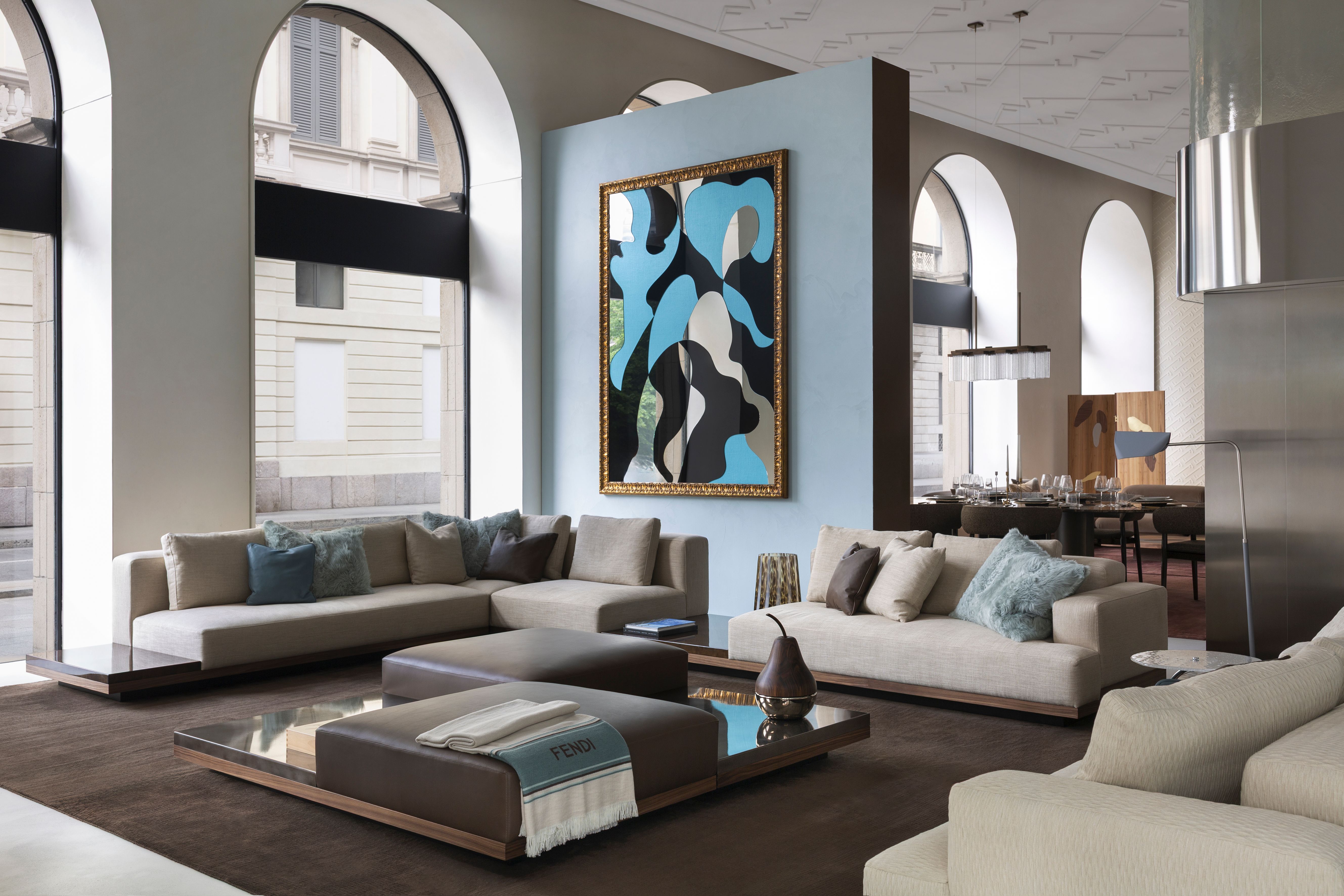
Photo: Jing Daily
The world of luxury is undergoing a remarkable transformation as brands seek new ways to connect with their most valuable customers. While exceptional products remain at the heart of the industry, leading luxury houses are increasingly focusing on experiences that create emotional connections and unforgettable memories. This shift is driving a growing competition among prestigious brands to secure some of Milan's most historic palazzos as venues for exclusive events, private showcases, and personalized experiences.
Milan has long been regarded as one of the world's most influential capitals of fashion, design, and luxury. The city's rich architectural heritage, cultural significance, and global reputation make it an ideal setting for brands seeking to elevate their image and deepen relationships with elite clientele. Historic palazzos, many of which date back centuries, are becoming prized assets in this evolving luxury strategy.
The Growing Importance of Experiential Luxury
Luxury consumers today are increasingly seeking experiences that go beyond traditional shopping. Wealthy individuals often value exclusivity, personalization, and access to unique opportunities that cannot be easily replicated. As a result, luxury brands are investing heavily in immersive experiences designed to strengthen customer loyalty and enhance brand prestige.
Private events held within historic venues provide an atmosphere that standard retail environments cannot match. Guests are invited into carefully curated settings where architecture, art, fashion, and hospitality come together to create memorable moments. These experiences help transform luxury purchases into deeper lifestyle engagements.
Milan's Architectural Heritage Offers Unmatched Appeal
Milan's historic palazzos represent centuries of artistic achievement and cultural significance. Many of these grand residences feature elaborate courtyards, ornate interiors, magnificent staircases, and architectural details that reflect the city's rich history.
For luxury brands, these properties offer more than visual beauty. They provide authenticity and prestige that align naturally with the values many high end companies wish to communicate. Hosting events within such iconic spaces allows brands to associate themselves with craftsmanship, tradition, and cultural excellence, all of which resonate strongly with affluent consumers.
Exclusive Access Creates Stronger Customer Relationships
One of the defining characteristics of modern luxury is exclusivity. High net worth clients increasingly seek experiences that are limited in availability and tailored to their individual preferences. Private events held within historic palazzos allow brands to deliver precisely this type of exclusivity.
Guests may receive invitations to intimate product unveilings, private dinners, fashion presentations, or personalized consultations. These carefully managed gatherings create a sense of privilege and belonging that strengthens emotional connections between brands and their most valuable customers. The experience often becomes just as important as the product itself.
Luxury Brands Embrace Storytelling Through Place
Storytelling has become a powerful tool within the luxury sector. Consumers are increasingly interested in the narratives behind products, brands, and experiences. Historic palazzos provide an ideal setting for storytelling because they embody centuries of history, artistry, and cultural evolution.
Luxury houses can use these environments to create immersive narratives that connect their own heritage with the architectural legacy of Milan. The setting becomes an extension of the brand story, allowing guests to experience values such as craftsmanship, elegance, and timeless sophistication in a tangible way. This deeper level of engagement helps differentiate luxury brands in a competitive marketplace.
Fashion and Design Events Drive Global Attention
Milan remains one of the world's most important destinations for fashion and design events. International buyers, media organizations, celebrities, and affluent consumers regularly visit the city to attend major industry gatherings. Historic palazzos provide prestigious venues capable of attracting global attention during these high profile occasions.
Luxury brands frequently transform these properties into temporary showrooms, exhibition spaces, and hospitality venues. The combination of architectural grandeur and creative presentation generates excitement while reinforcing brand positioning. Such events often become highlights of the international luxury calendar.
Personalization Becomes a Competitive Advantage
As luxury consumers become more sophisticated, personalization is emerging as a key differentiator. Elite clients increasingly expect brands to understand their preferences and deliver experiences tailored specifically to their lifestyles.
Historic palazzos offer flexible environments where personalized events can be created on an intimate scale. Private fittings, bespoke consultations, curated cultural experiences, and exclusive product previews can all be hosted within these elegant settings. This level of customization helps brands meet the expectations of clients who value individual attention and exceptional service.
Heritage and Modern Luxury Find Common Ground
Although luxury brands continue to innovate, many also recognize the importance of heritage in maintaining credibility and prestige. Historic palazzos provide a natural bridge between tradition and contemporary luxury.
Within these centuries old structures, brands can showcase modern collections, advanced craftsmanship, and innovative designs while remaining connected to a rich cultural backdrop. This contrast creates a compelling experience that appeals to consumers who appreciate both heritage and innovation. The result is a luxury narrative that feels timeless rather than temporary.
Economic Value Extends Beyond Individual Brands
The growing interest in historic Milanese properties also generates benefits for the local economy. Luxury events attract international visitors who contribute to hospitality, tourism, dining, transportation, and cultural sectors throughout the city.
Property owners may also benefit from increased demand for prestigious event venues. As luxury brands compete for access to desirable locations, historic buildings gain new opportunities for preservation and sustainable use. This dynamic helps support both economic activity and cultural conservation efforts within Milan.
The Rise of Invitation Only Luxury Experiences
A notable trend within the luxury industry is the expansion of invitation only experiences designed for select groups of clients. These events often emphasize privacy, exclusivity, and meaningful engagement over mass visibility.
Historic palazzos are particularly well suited to this approach. Their private courtyards, elegant salons, and controlled environments allow brands to host discreet gatherings that prioritize quality over scale. For many elite consumers, the opportunity to participate in a highly exclusive experience is far more valuable than attending a larger public event.
Technology Enhances Historic Settings
While historic architecture provides the foundation, modern technology increasingly enhances luxury experiences within these venues. Brands are incorporating digital storytelling, interactive presentations, immersive visual displays, and personalized communication tools to create deeper engagement.
The combination of historical surroundings and modern innovation allows luxury houses to deliver memorable experiences that feel both timeless and contemporary. This balance is particularly attractive to affluent consumers who appreciate heritage while embracing technological advancement.
The Future of Luxury Engagement in Milan
As competition for affluent consumers intensifies, luxury brands are likely to continue investing in experiential strategies that prioritize emotional connection and exclusivity. Historic Milan palazzos represent a unique asset within this evolving landscape, offering unmatched beauty, authenticity, and prestige.
The growing race to secure these iconic properties reflects a broader shift within the luxury industry. Products alone are no longer sufficient to define success. Experiences, relationships, and cultural engagement are becoming equally important components of brand value.
For elite clients, the appeal lies not simply in acquiring luxury goods but in participating in extraordinary moments that reflect their lifestyle and aspirations. Milan's historic palazzos provide the perfect stage for these experiences, ensuring that the city remains at the center of the global luxury conversation for years to come.
As luxury brands continue to compete for attention among the world's wealthiest consumers, the fusion of heritage, exclusivity, and immersive experiences will likely define the next chapter of high end engagement. Milan stands ready to lead that transformation through its remarkable architectural treasures and enduring cultural influence.

Subscribe to unlock premium content
Sed at tellus, pharetra lacus, aenean risus non nisl ultricies commodo diam aliquet arcu enim eu leo porttitor habitasse adipiscing porttitor varius ultricies facilisis viverra lacus neque.
A comprehensive guide on Agile development

10 Productivity tools that are worth checking out
Top 7 Must have management tools for productivity

A comprehensive guide on Agile development
10 Productivity tools that are worth checking out
A comprehensive guide on Agile development