
Billionaires Transform Mediterranean Villages Into Private Summer Estates for 2026 Escapes
By
John Carter
Last updated:
May 20, 2026
First Published:
May 20, 2026

.webp)
Photo: Bloomberg
A new era of territorial luxury begins
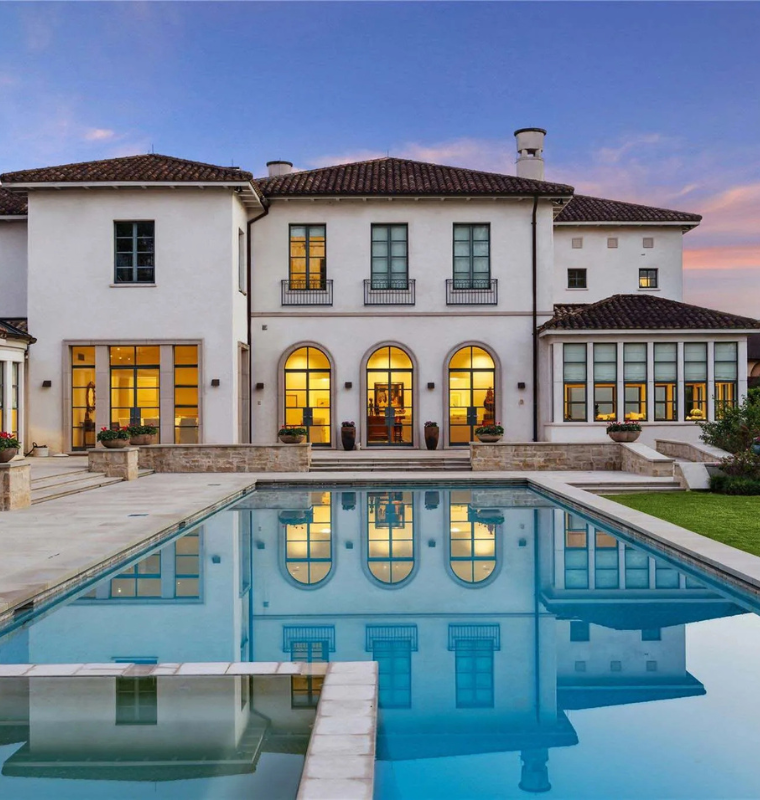
Across southern coastal regions of Europe, ultra wealthy individuals are increasingly acquiring entire villages rather than isolated villas. This shift represents a structural change in how extreme wealth is expressed, moving beyond individual property ownership toward controlling complete micro communities designed exclusively for private seasonal living. The appeal lies in total environmental control, where every street, structure, and view can be curated for a single family or a small group of connected owners.
Why full village ownership is accelerating
The surge in demand is driven by a combination of privacy expectations, geopolitical uncertainty, and lifestyle consolidation among the global elite. Many high net worth individuals now prioritize seclusion and controlled access environments over proximity to public luxury destinations. Entire villages offer a level of separation that even gated estates cannot provide, allowing uninterrupted seasonal residence without external visibility or intrusion.
How acquisitions are being structured
These purchases are rarely simple real estate transactions. Instead, they often involve layered corporate structures, heritage preservation agreements, and long term redevelopment rights negotiated with local authorities. Buyers typically acquire multiple properties simultaneously, including residential buildings, agricultural land, and coastal access points. The result is not just ownership but administrative control over an entire living environment.
Transformation of local architecture and design
Once acquired, villages undergo extensive restoration and redesign while attempting to preserve external historical character. Interiors are commonly rebuilt to modern luxury standards, featuring bespoke craftsmanship, imported materials, and highly personalized spatial planning. The objective is to maintain cultural authenticity from the outside while creating fully private, highly advanced interiors that meet elite expectations.
Infrastructure rebuilt for private continuity
Infrastructure is often reengineered to support uninterrupted private living. Roads may be resurfaced for exclusive use, underground utility systems upgraded, and communication networks enhanced to ensure seamless digital connectivity. Energy systems increasingly incorporate renewable sources paired with private storage facilities, allowing villages to function independently from surrounding public grids.
Privacy as the central design principle
Privacy architecture is becoming the defining feature of these developments. Surveillance systems are installed in highly discreet formats, access points are minimized, and natural landscapes are redesigned to create visual barriers. Even staff movement is carefully planned through hidden service routes, ensuring that daily operations remain invisible to residents and guests.
Lifestyle ecosystems within isolated communities
Inside these transformed villages, entire lifestyle ecosystems are built from scratch. Private chefs, wellness specialists, art curators, and hospitality teams operate year round. Recreational spaces often include private marinas, wellness centers, and cultural exhibition rooms. The goal is to replicate the experience of global luxury destinations within a single contained environment.
Impact on surrounding regional economies
Local economies experience complex effects from these acquisitions. On one hand, redevelopment generates significant employment in construction, design, and maintenance sectors. On the other hand, traditional community structures may become disrupted as access to certain areas becomes restricted or redefined. This dual impact has sparked ongoing debate in several coastal regions.
The emerging competitive market for heritage villages
Competition among wealthy buyers is intensifying as suitable villages become increasingly scarce. Properties with historical value, coastal access, and architectural cohesion are especially sought after. As a result, pricing for entire settlements has risen sharply, creating a niche but rapidly expanding segment within global luxury real estate markets.
The future of collective private estates
Looking ahead, the trend suggests a broader evolution in how luxury living is conceptualized. Instead of isolated properties, the future may see networks of privately controlled micro regions designed for seasonal rotation and lifestyle optimization. This reflects a shift from ownership of assets toward ownership of environments, where entire lived experiences are curated under unified control.


Subscribe to unlock premium content
Sed at tellus, pharetra lacus, aenean risus non nisl ultricies commodo diam aliquet arcu enim eu leo porttitor habitasse adipiscing porttitor varius ultricies facilisis viverra lacus neque.
A comprehensive guide on Agile development

10 Productivity tools that are worth checking out

Top 7 Must have management tools for productivity

A comprehensive guide on Agile development
10 Productivity tools that are worth checking out
A comprehensive guide on Agile development