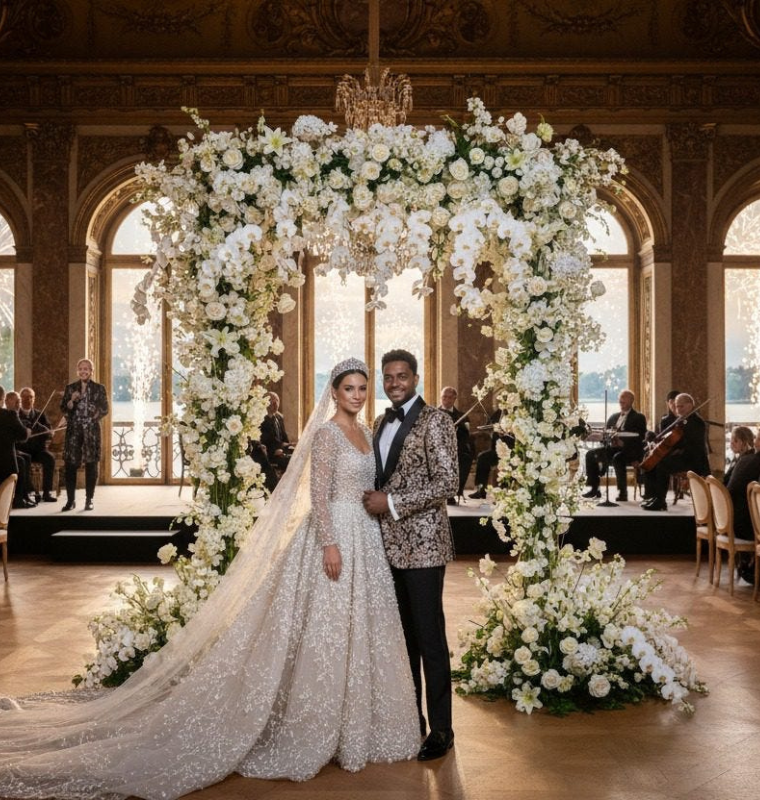

Sotheby’s Luxury Week 2026 Ignites Global Frenzy for Rare Watches, Couture Jewelry, and Investment Grade Collectibles
By
Sophie Moore
Last updated:
May 20, 2026
First Published:
May 20, 2026


Photo: WatchPro USA
A landmark season for ultra luxury auctions
Sotheby’s Luxury Week 2026 has emerged as one of the most influential events in the high end collectibles market this year. The auction series is attracting global attention from private collectors, family offices, and institutional luxury investors. The focus spans rare watches, high jewelry, couture pieces, and historically significant design objects.
Rare watches leading aggressive bidding cycles
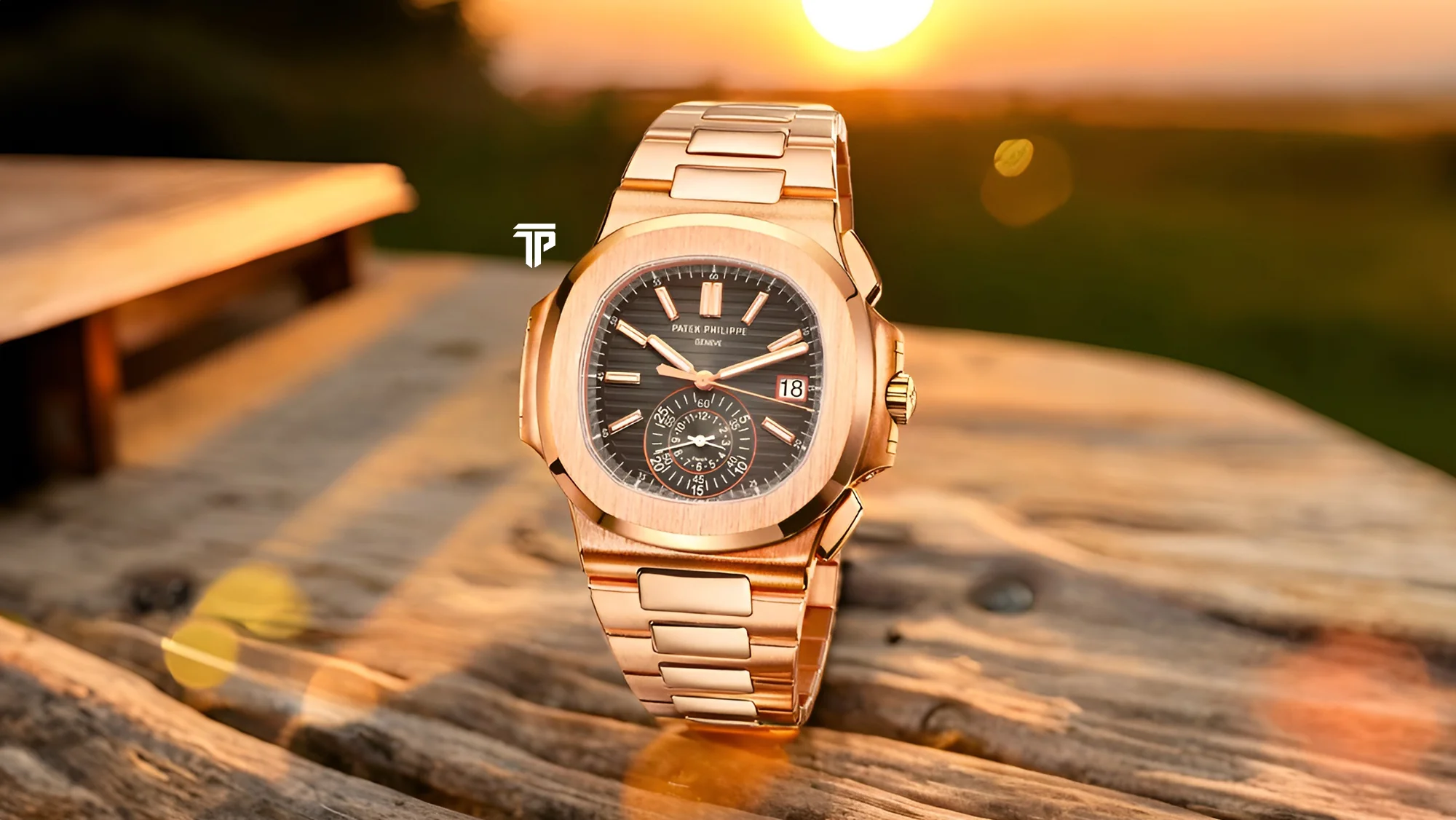
High complication timepieces from heritage watchmakers are among the most contested categories in this year’s auctions. Limited production models with historical provenance are drawing particularly intense competition. Collectors are increasingly treating these watches as portable assets with strong long term value retention rather than purely functional accessories.
High jewelry entering investment territory
Diamond sets, rare colored gemstones, and bespoke high jewelry pieces are achieving significant price escalations during bidding rounds. The appeal lies not only in craftsmanship but also in rarity and traceable origin. Many buyers now evaluate these pieces using investment style criteria similar to fine art acquisition strategies.
Couture fashion as collectible heritage
Couture garments from iconic fashion houses are being repositioned as collectible cultural artifacts. Archive pieces with runway history or celebrity association are gaining strong traction among private collectors. This shift is transforming couture from seasonal fashion into preserved luxury heritage assets.
Private buyers dominating acquisition patterns
A notable feature of the 2026 Luxury Week is the dominance of private buyers over public institutions. Many transactions are conducted through discreet bidding channels, reinforcing exclusivity. Family offices in particular are playing a larger role in shaping final auction outcomes.
Authentication and provenance driving market confidence
Authentication standards have become a central pillar of high value transactions. Detailed provenance records, digital verification systems, and expert certification processes are now essential for buyer confidence. This infrastructure is helping stabilize pricing in an increasingly competitive market.
Global wealth concentration influencing auction dynamics
The growing concentration of wealth among ultra high net worth individuals is directly influencing auction behavior. Competition for rare items has intensified, particularly for pieces with historical significance or limited production runs. This has led to higher average closing prices across multiple categories.
Luxury assets as portfolio diversification tools
Many collectors are integrating auction purchases into broader wealth management strategies. Rare watches, jewelry, and couture items are being used as alternative assets alongside real estate and equities. This diversification approach is driven by both cultural value and long term financial positioning.
Digital bidding platforms expanding global participation
Advanced digital auction platforms are enabling participation from collectors across multiple regions simultaneously. Secure remote bidding systems and real time verification tools are increasing accessibility for elite buyers while maintaining strict exclusivity controls.
The future trajectory of collectible luxury markets
The momentum from Sotheby’s Luxury Week 2026 suggests continued growth in demand for tangible luxury assets. As global wealth expands, competition for rare and historically significant items is expected to intensify further, reinforcing the role of auctions as central nodes in the luxury ecosystem.


Subscribe to unlock premium content
Sed at tellus, pharetra lacus, aenean risus non nisl ultricies commodo diam aliquet arcu enim eu leo porttitor habitasse adipiscing porttitor varius ultricies facilisis viverra lacus neque.
A comprehensive guide on Agile development

10 Productivity tools that are worth checking out
Top 7 Must have management tools for productivity

A comprehensive guide on Agile development
10 Productivity tools that are worth checking out
A comprehensive guide on Agile development