
Wealthy Millennials Embrace AI Driven Mansions and Hyper Personalized Luxury Living
By
Maya K.
Last updated:
May 20, 2026
First Published:
May 20, 2026

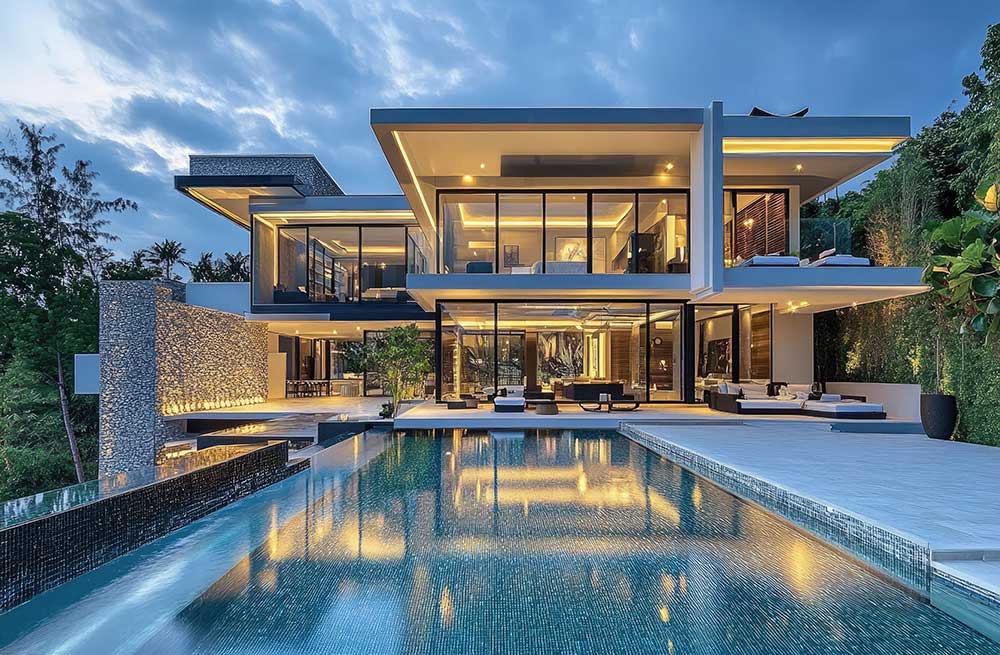
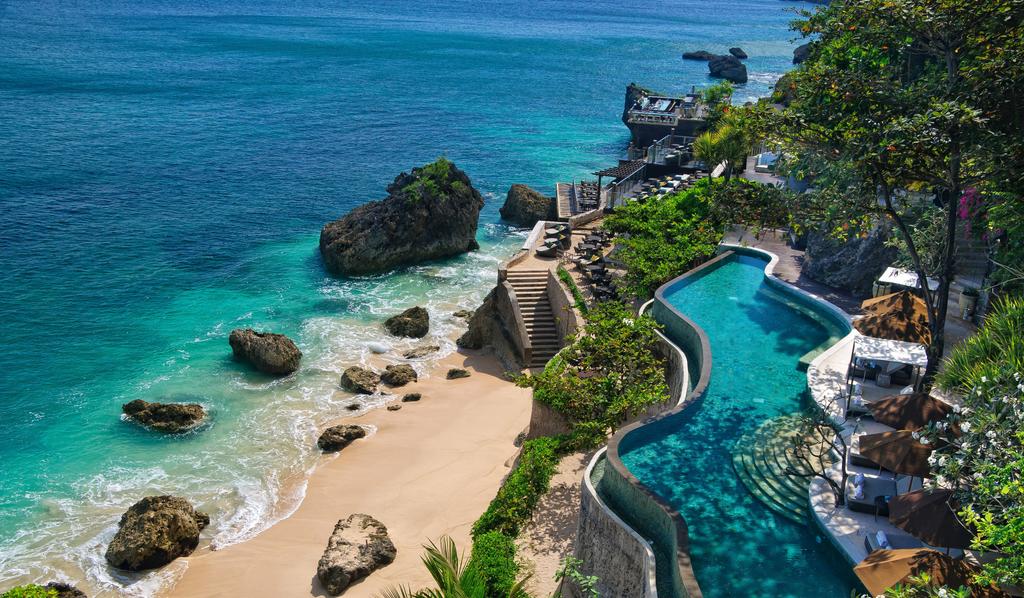
Photo: Charlesdel
A new definition of luxury for younger wealth holders
A noticeable transformation is emerging in how wealthy millennials interpret luxury. Instead of traditional status symbols centered on static ownership, this group is prioritizing adaptive living environments that respond to personal habits, health data, and lifestyle preferences. Luxury is increasingly defined by intelligence, responsiveness, and seamless integration with daily life.
AI driven residences as living ecosystems
Modern high end residences are being designed as dynamic ecosystems powered by artificial intelligence systems. These homes adjust lighting, climate, sound, and spatial configuration based on real time occupant behavior. The goal is to create an environment that anticipates needs rather than requiring manual control, effectively turning the home into an active participant in daily living.
Hyper personalization replacing standardized luxury design
Traditional luxury interiors often relied on universal design language and fixed aesthetics. In contrast, new generation buyers are demanding hyper personalization where every element of the home reflects individual identity. Furniture, spatial flow, and sensory elements are tailored to biometric feedback, psychological preferences, and lifestyle patterns.
Wellness environments built into architectural planning
Wellness is no longer treated as a separate facility within luxury homes. Instead, entire residences are being structured around health optimization. Air quality regulation, circadian lighting systems, hydrotherapy spaces, and recovery rooms are embedded into the core design. The intention is to support long term physical and mental performance within the living space itself.
AI assisted lifestyle management systems
Beyond physical infrastructure, affluent millennials are adopting integrated AI systems that manage daily schedules, nutrition planning, travel coordination, and personal productivity. These systems learn from behavior patterns and refine recommendations over time, effectively functioning as digital lifestyle managers embedded into private life.
Private wellness retreats as extensions of home environments
Many high net worth individuals are expanding their residential ecosystems to include private wellness retreats located in remote or secluded areas. These retreats are designed for periodic resets, combining medical grade wellness services with restorative natural environments. They function as controlled extensions of the primary residence rather than separate vacation properties.
The rise of data driven luxury living
Luxury living is becoming increasingly data driven. Biometrics, sleep metrics, stress indicators, and cognitive performance data are being used to optimize residential environments. This continuous feedback loop allows living spaces to evolve in alignment with the occupant’s physical and emotional state.
Integration of advanced materials and adaptive architecture
Architectural design is also evolving through the use of adaptive materials that respond to temperature, light, and occupancy. Walls, surfaces, and structural elements can shift properties based on environmental conditions. This creates a living space that physically transforms in response to changing needs throughout the day.
Exclusive access to personalized luxury networks
Wealthy millennials are also participating in curated networks that connect them to personalized luxury services. These include private chefs, remote wellness specialists, travel designers, and digital concierge systems. Access is often invitation based, reinforcing exclusivity while ensuring highly tailored service delivery.
The long term direction of intelligent luxury living
The broader trajectory suggests that luxury will continue moving toward fully integrated intelligent environments. Homes will function as responsive systems rather than static properties, merging architecture, technology, and personal data into unified living experiences. This evolution marks a shift where comfort, identity, and optimization become inseparable elements of wealth driven living.


Subscribe to unlock premium content
Sed at tellus, pharetra lacus, aenean risus non nisl ultricies commodo diam aliquet arcu enim eu leo porttitor habitasse adipiscing porttitor varius ultricies facilisis viverra lacus neque.
A comprehensive guide on Agile development

10 Productivity tools that are worth checking out
Top 7 Must have management tools for productivity

A comprehensive guide on Agile development
10 Productivity tools that are worth checking out
A comprehensive guide on Agile development