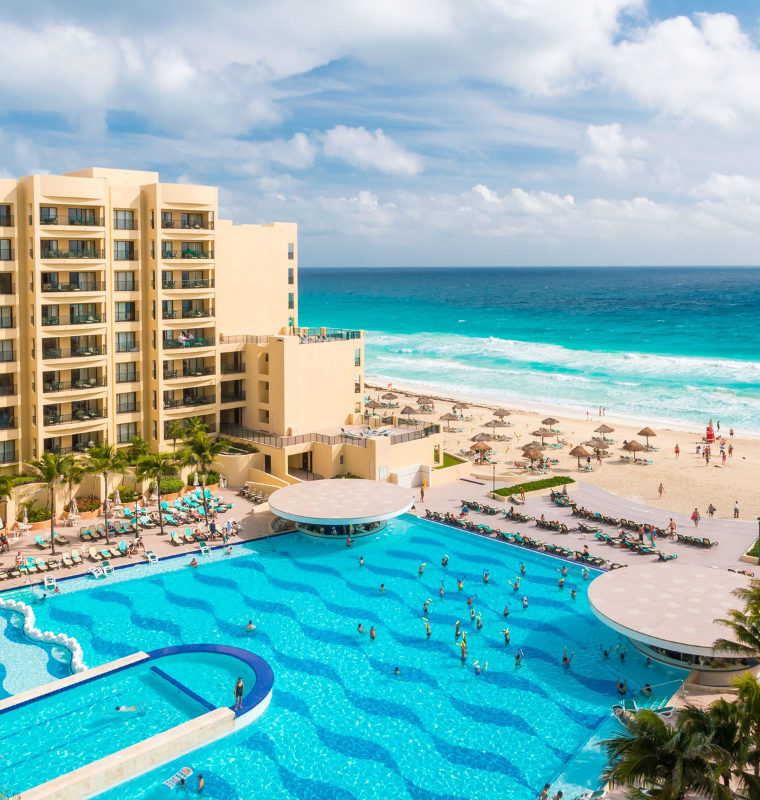

Cape Town Emerges as a Global Wealth Magnet as Millionaire Migration Accelerates in 2026
By
Maya K.
Last updated:
June 10, 2026
First Published:
June 10, 2026


Photo: CitizenX
For years, cities such as London, New York, Dubai, Singapore, and Monaco dominated conversations surrounding wealth migration and luxury living. In 2026, however, Cape Town is increasingly becoming one of the most talked about destinations among high net worth individuals seeking a combination of lifestyle excellence, investment opportunities, and natural beauty. As millionaire migration accelerates, the South African city is positioning itself as a serious contender in the global competition for affluent residents.
The movement of wealthy individuals from one region to another has become one of the defining economic stories of the decade. Investors, entrepreneurs, executives, and retirees are reevaluating where they want to live, work, and preserve their wealth. Cape Town appears to be benefiting from this shift in remarkable ways.
Why Millionaires Are Looking Beyond Traditional Wealth Hubs
The concept of wealth migration has evolved significantly over the past several years. Affluent individuals are no longer choosing destinations solely based on financial incentives or tax structures. Quality of life has become equally important.
Wealthy families increasingly seek locations that offer security, lifestyle flexibility, access to nature, premium real estate, and opportunities for personal wellbeing. Many are looking for destinations where they can balance business interests with a more fulfilling daily experience.
Cape Town's unique blend of urban sophistication and natural surroundings has made it particularly attractive to this growing demographic.
A Lifestyle That Few Cities Can Match
One of Cape Town's greatest strengths is its lifestyle appeal. The city offers a rare combination of mountains, beaches, vineyards, luxury residential communities, and vibrant cultural experiences.
Residents can begin their mornings overlooking the Atlantic Ocean, spend afternoons conducting international business meetings, and enjoy evenings at world class restaurants and exclusive social venues. This balance between productivity and leisure is increasingly valued by wealthy individuals who prioritize experiences as much as financial success.
The city's lifestyle advantages are difficult for many competing destinations to replicate.
Luxury Real Estate Drives Wealth Inflows
A major factor behind Cape Town's growing popularity is its premium property market. Luxury homes located along the coastline, within prestigious residential neighborhoods, and near renowned wine regions continue attracting local and international buyers.
High net worth individuals often view real estate as both a lifestyle asset and a long term investment. Cape Town provides opportunities to acquire properties in some of the most visually stunning locations in the world while still offering value compared to many established global wealth centers.
This combination of desirability and relative affordability has contributed significantly to increasing demand.
The Influence of Remote Wealth and Global Entrepreneurship
Technology has transformed the way wealthy individuals manage businesses and investments. Many entrepreneurs no longer need to remain physically tied to traditional financial capitals in order to oversee operations.
Remote work capabilities, digital communication platforms, and global investment networks have created unprecedented geographic flexibility. Successful business owners can now choose where they live based on lifestyle preferences rather than office locations.
Cape Town has benefited enormously from this shift. The city offers modern infrastructure, international connectivity, and an attractive environment for entrepreneurs seeking a better quality of life without sacrificing business opportunities.
Growing Interest From International Investors
International investors are increasingly paying attention to opportunities throughout South Africa, particularly within sectors connected to tourism, hospitality, technology, renewable energy, and luxury real estate.
Affluent individuals often seek diversification across different geographic markets. Cape Town's growing profile presents opportunities that many investors find appealing, especially as they look beyond saturated markets in Europe and North America.
The arrival of new capital can stimulate economic activity, create employment opportunities, and support further development throughout the city.
The Luxury Hospitality Sector Benefits
As more wealthy visitors and residents choose Cape Town, the hospitality industry has experienced substantial growth. Luxury hotels, private villas, boutique resorts, and exclusive experiences have expanded to meet rising demand.
Affluent travelers increasingly seek personalized experiences rather than conventional tourism packages. Cape Town offers everything from private wine estate tours and yacht excursions to exclusive culinary experiences and wildlife adventures.
This expanding luxury ecosystem reinforces the city's attractiveness and creates a cycle that encourages further wealth migration.
Wealth Migration Is Reshaping Local Markets
The arrival of high net worth individuals inevitably influences local economic activity. Increased demand for premium housing, luxury retail, fine dining, private education, and professional services creates new opportunities across numerous industries.
Businesses that cater to affluent consumers often experience significant growth during periods of wealth migration. Financial advisors, real estate specialists, architects, interior designers, and luxury service providers are among those benefiting from increased interest in the region.
The broader economic impact extends well beyond the individuals relocating themselves.
Challenges Accompanying Rapid Growth
While wealth migration brings many advantages, it can also create challenges that require careful management. Rising property values may affect housing affordability for local residents, while increased demand for premium services can alter market dynamics.
Cities experiencing strong inflows of wealth must balance economic growth with inclusive development strategies. Sustainable urban planning, infrastructure investment, and community engagement become increasingly important as populations and property markets evolve.
Cape Town's long term success will depend partly on how effectively it navigates these challenges while preserving the qualities that attract wealthy newcomers in the first place.
The Global Competition for Wealth Is Intensifying
Around the world, cities are actively competing to attract affluent residents and investors. Governments and local authorities recognize that wealthy individuals contribute not only capital but also entrepreneurship, innovation, and job creation.
This competition has encouraged destinations to improve infrastructure, simplify investment processes, and enhance quality of life offerings. Cape Town's growing prominence suggests that lifestyle driven wealth migration will remain an influential trend throughout the coming years.
The city's success reflects a broader transformation in how affluent individuals evaluate potential places to live and invest.
What This Means for the Future of Wealth
The rise of Cape Town highlights an important shift in the global wealth landscape. Financial opportunity remains essential, but lifestyle quality, environmental beauty, personal wellbeing, and flexibility have become equally significant considerations.
Modern wealth is increasingly associated with freedom of choice. Successful individuals are selecting destinations that align with their personal values, family priorities, and long term aspirations.
Cape Town's emergence as a leading destination demonstrates how cities can leverage unique strengths to attract global wealth in an increasingly competitive world.
A New Chapter for Luxury Living
As millionaire migration continues accelerating in 2026, Cape Town stands at the center of one of the most fascinating trends in global wealth. Its combination of natural beauty, luxury living, investment potential, and entrepreneurial opportunity has elevated its status among affluent individuals worldwide.
Whether this momentum continues for years or decades remains to be seen. What is already clear, however, is that Cape Town has firmly established itself as more than a tourism destination. It is becoming a serious global wealth hub where luxury lifestyle and economic opportunity increasingly intersect.
For investors, entrepreneurs, and wealthy families searching for the next great destination, Cape Town is rapidly becoming impossible to ignore.


Subscribe to unlock premium content
Sed at tellus, pharetra lacus, aenean risus non nisl ultricies commodo diam aliquet arcu enim eu leo porttitor habitasse adipiscing porttitor varius ultricies facilisis viverra lacus neque.
A comprehensive guide on Agile development

10 Productivity tools that are worth checking out

Top 7 Must have management tools for productivity

A comprehensive guide on Agile development
10 Productivity tools that are worth checking out
A comprehensive guide on Agile development
.png)