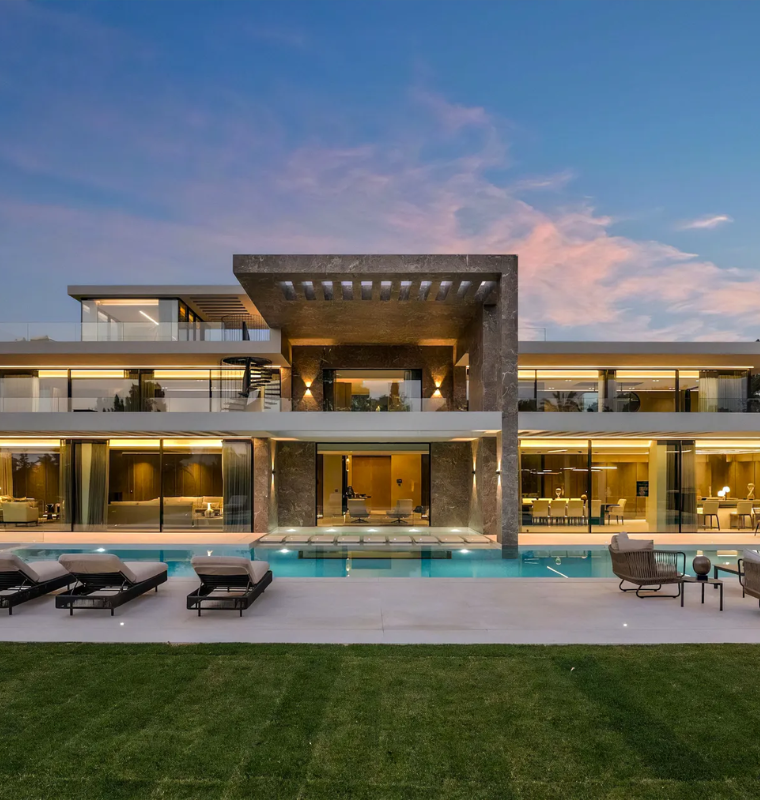

Elite Real Estate Markets in Monaco and Dubai Report Fresh Price Peaks Driven by Ultra Rich Inflows
By
John Carter
Last updated:
May 25, 2026
First Published:
May 25, 2026

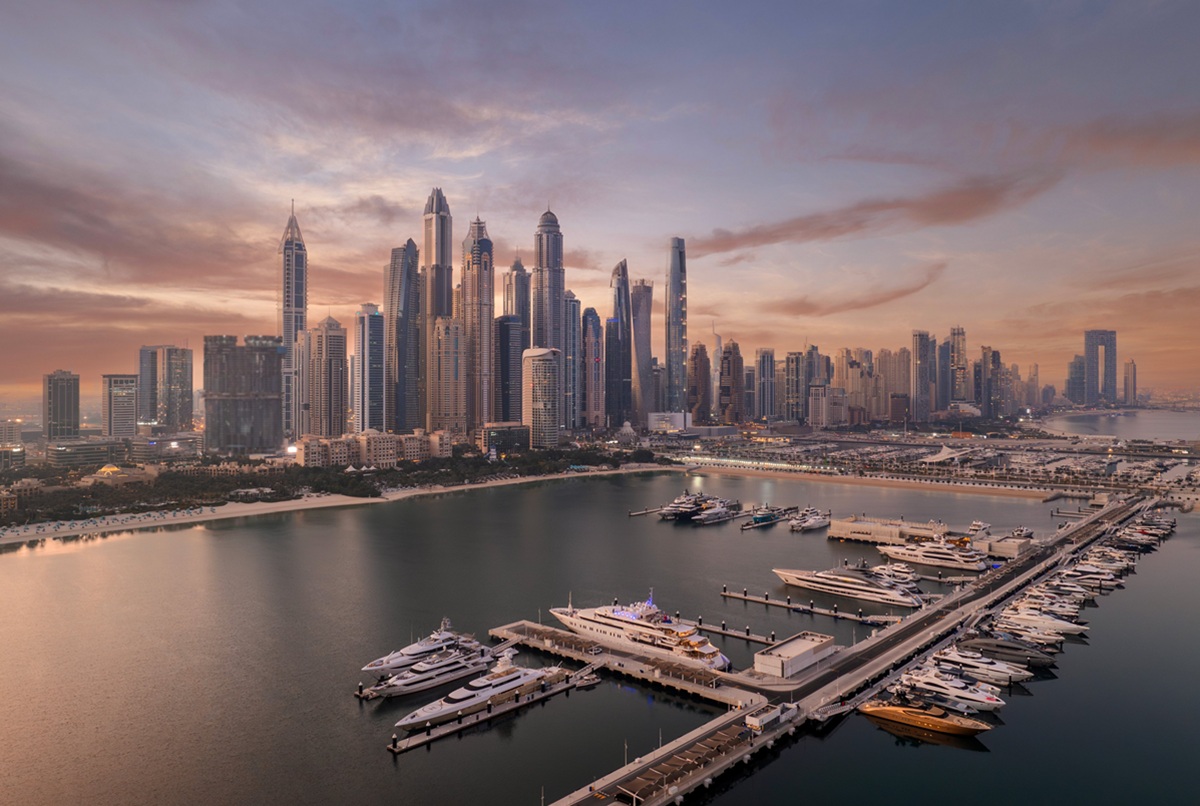
The global luxury real estate sector is witnessing another upward repricing cycle in 2026, with prime residential markets in Monaco and Dubai leading the latest wave of price appreciation. This trend is being driven by sustained inflows of ultra high net worth individuals seeking stability, tax efficiency, and lifestyle optimization within highly curated urban environments.
In Monaco, structural scarcity continues to define the market. Limited land availability combined with persistent demand from global elites has reinforced the principality’s position as one of the most expensive real estate markets in the world. High end apartments and waterfront residences continue to trade at premium valuations due to their exclusivity and long term capital preservation characteristics.
Dubai has emerged as a parallel powerhouse in the global luxury property landscape. Its rapid development of ultra premium residential districts, combined with investor friendly regulatory frameworks, has attracted significant capital inflows from Europe, Asia, and the Middle East. The city’s ability to deliver large scale luxury developments has positioned it as a key competitor to traditional European wealth hubs.
Developers and investment groups such as Emaar Properties have played a central role in shaping Dubai’s luxury skyline. Their large scale master planned communities and branded residences have contributed to the city’s transformation into a global destination for high net worth property ownership.
Similarly, DAMAC Properties continues to expand its footprint in the ultra luxury segment, focusing on high end residential towers and branded collaborations that appeal to international investors seeking prestige driven property assets.
In Monaco, luxury real estate dynamics remain heavily influenced by international buyers who prioritize privacy, security, and proximity to global financial centers. The market’s stability is reinforced by its reputation as a long standing wealth enclave with strong institutional appeal among ultra wealthy families.
A defining feature of the current cycle is the increasing role of wealth migration. High net worth individuals are strategically relocating residences to jurisdictions offering favorable tax regimes, lifestyle advantages, and geopolitical stability. This mobility has intensified competition among global cities to attract and retain elite residents.
Luxury property demand is also being shaped by intergenerational wealth transfer. Younger affluent buyers often seek modernized residences with advanced technology integration, wellness focused amenities, and flexible living spaces that reflect contemporary lifestyle preferences.
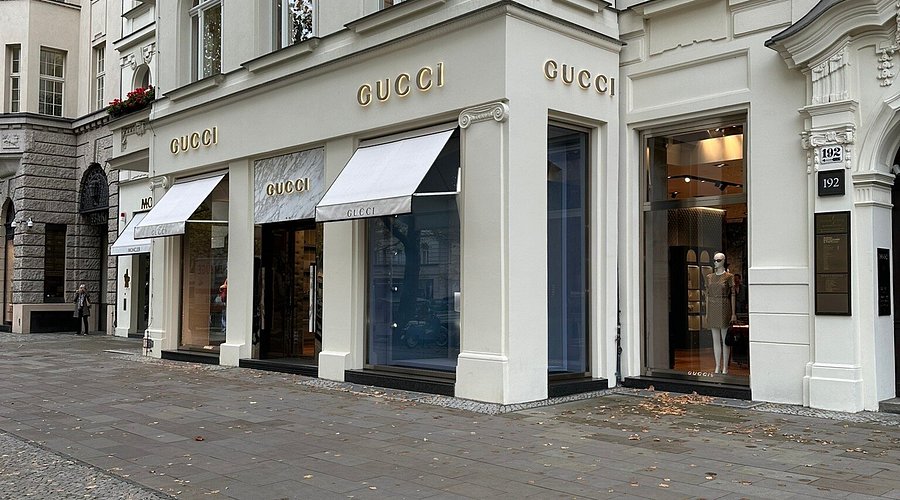
Another important trend is the convergence of real estate with branded luxury experiences. Developers are increasingly partnering with fashion houses, hospitality groups, and design brands to create signature residences that combine architectural value with lifestyle identity.
Financing structures within the ultra prime segment have also evolved. While many transactions remain cash based, private wealth institutions are offering tailored financing solutions and cross border investment vehicles to facilitate large scale acquisitions in competitive markets.
Digitalization is gradually influencing luxury real estate transactions. Virtual tours, blockchain based ownership records, and data driven valuation models are improving transparency and efficiency in high value property exchanges, particularly for international buyers.
Ultimately, the continued rise of Monaco and Dubai as elite real estate hubs reflects a broader global trend where capital mobility, lifestyle optimization, and wealth preservation intersect. As ultra rich inflows continue, these markets are expected to maintain their position at the top of the global luxury property hierarchy.


Subscribe to unlock premium content
Sed at tellus, pharetra lacus, aenean risus non nisl ultricies commodo diam aliquet arcu enim eu leo porttitor habitasse adipiscing porttitor varius ultricies facilisis viverra lacus neque.
A comprehensive guide on Agile development

10 Productivity tools that are worth checking out

Top 7 Must have management tools for productivity

A comprehensive guide on Agile development
10 Productivity tools that are worth checking out
A comprehensive guide on Agile development