
Superyacht Boom Accelerates as Younger Tech Billionaires Drive Record Demand for Mega Luxury Vessels
By
John Carter
Last updated:
May 25, 2026
First Published:
May 25, 2026

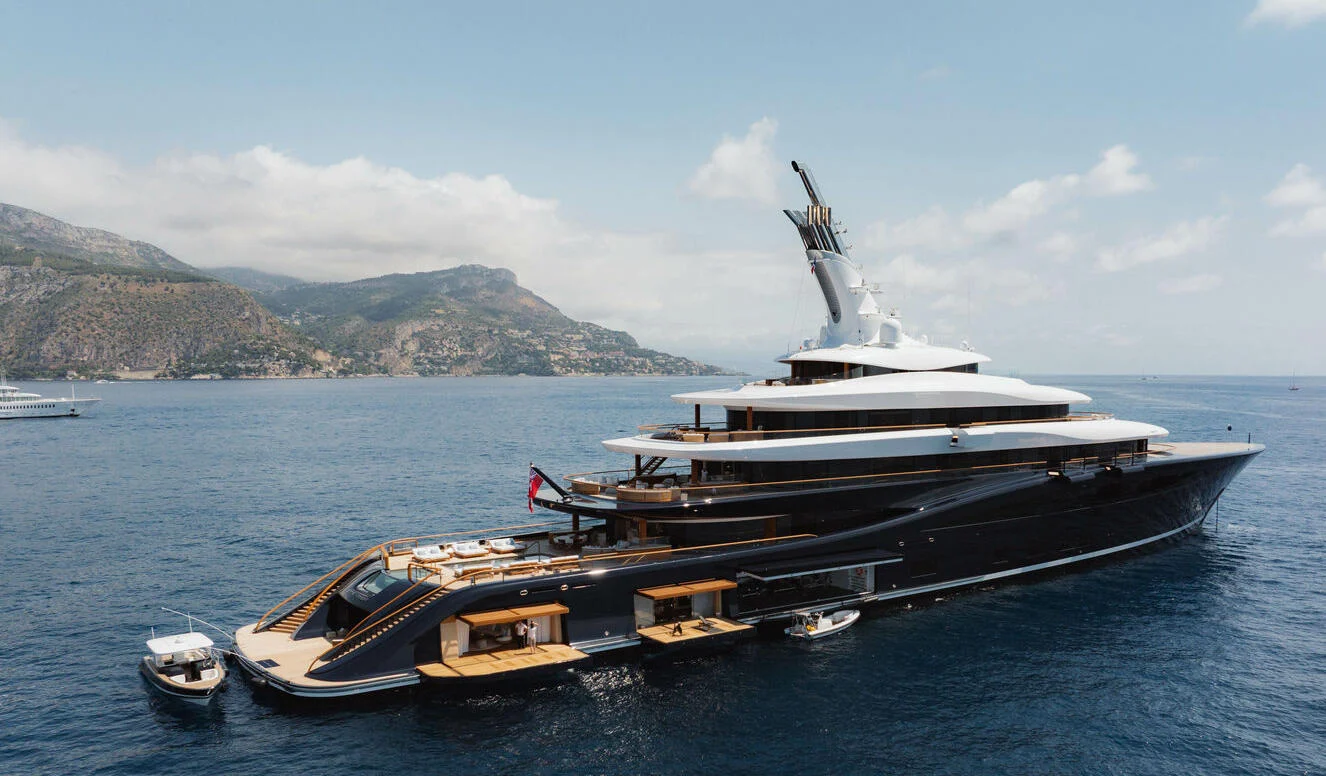
The global superyacht industry is experiencing a powerful expansion phase driven by the rapid rise of younger technology billionaires who are reshaping demand patterns for ultra luxury maritime assets. In 2026, shipbuilders and brokerage firms report sustained interest in larger, more customized vessels that reflect both status and personal lifestyle integration.
This shift is closely linked to the broader transformation of global wealth distribution, where technology driven fortunes are increasingly concentrated among entrepreneurs in software, artificial intelligence, and digital infrastructure. These individuals often seek assets that combine privacy, mobility, and experiential luxury, making superyachts a preferred category of investment and leisure ownership.
Leading yacht manufacturers such as Feadship have reported stronger order pipelines for fully bespoke vessels with advanced automation systems and expanded onboard amenities. The demand is no longer limited to traditional luxury features but now includes integrated wellness spaces, digital entertainment ecosystems, and extended autonomous navigation capabilities.
European shipbuilding heritage brands continue to dominate the upper tier of the market, with Lürssen maintaining a strong position in the production of some of the world’s largest and most technologically advanced superyachts. Their projects increasingly reflect a fusion of engineering precision and personalized architectural design tailored to individual owners.
Another key player in the evolving landscape is Azimut Yachts, which has expanded its presence among emerging wealthy buyers seeking a balance between performance, design sophistication, and relative accessibility within the luxury yacht hierarchy. The brand’s expansion reflects a broader democratization of high end marine luxury.
Industry analysts note that younger billionaires are influencing yacht design philosophy in significant ways. Unlike earlier generations who prioritized size and opulence alone, the new cohort emphasizes multifunctional spaces that can serve as work environments, social hubs, and private retreats simultaneously.
This change in ownership behavior is also driving innovation in onboard technology. Modern superyachts are increasingly equipped with advanced connectivity systems, hybrid propulsion solutions, and environmentally conscious engineering designs. Sustainability has become a growing consideration among ultra wealthy buyers who are increasingly aware of environmental scrutiny.
Luxury brokerage firms report that customization requests have reached unprecedented levels. Owners now expect fully tailored interiors, art installations, and modular layouts that can be reconfigured depending on usage. This trend has elevated superyachts into the category of floating private estates rather than traditional vessels.
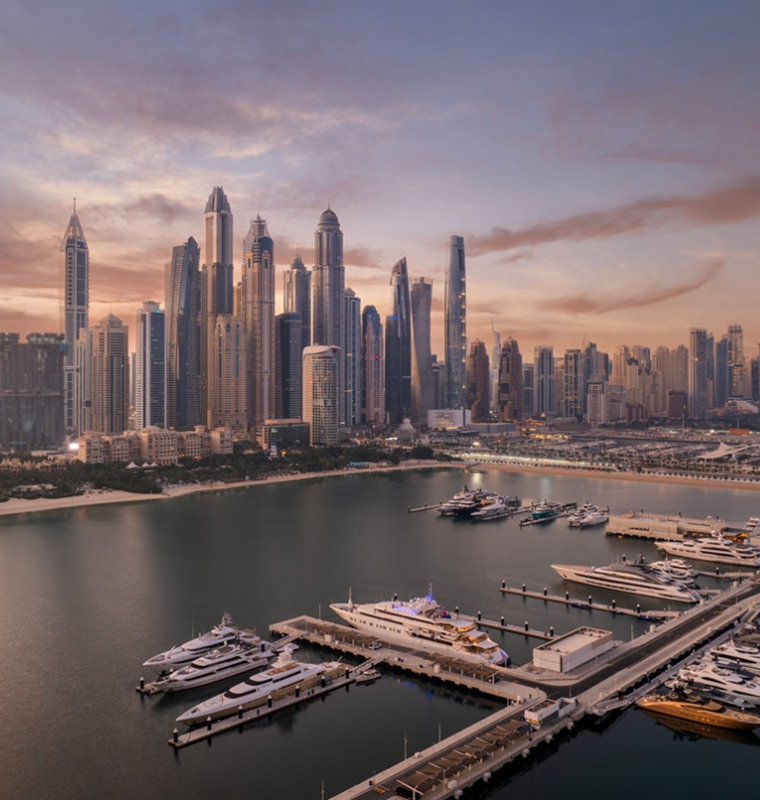
Geographically, demand is no longer concentrated in traditional European and North American markets alone. Wealth growth in parts of the Middle East and Asia has contributed to a broader distribution of yacht ownership, with seasonal migration patterns influencing where vessels are docked throughout the year.
The resale market for superyachts has also become more dynamic. Secondary transactions are increasingly influenced by brand reputation, technological upgrades, and historical ownership profiles. This has created a more structured valuation system similar to high end real estate markets.
Financing structures in the superyacht sector have evolved alongside this demand surge. Private wealth offices and specialized maritime financiers now offer complex arrangements that include fractional ownership models, leasing frameworks, and long term charter strategies that appeal to liquidity conscious investors.
Another notable trend is the integration of experiential luxury services into yacht ownership. Owners are increasingly using their vessels as platforms for curated travel experiences, private events, and high level networking gatherings, reinforcing the yacht’s role as both an asset and a social instrument.
Ultimately, the superyacht boom reflects a deeper transformation in global luxury consumption. The rise of younger technology driven billionaires has redefined what maritime luxury represents, shifting it from static symbols of wealth into dynamic, multifunctional environments that blend lifestyle, technology, and investment value into a single evolving asset class.


Subscribe to unlock premium content
Sed at tellus, pharetra lacus, aenean risus non nisl ultricies commodo diam aliquet arcu enim eu leo porttitor habitasse adipiscing porttitor varius ultricies facilisis viverra lacus neque.
A comprehensive guide on Agile development

10 Productivity tools that are worth checking out

Top 7 Must have management tools for productivity

A comprehensive guide on Agile development
10 Productivity tools that are worth checking out
A comprehensive guide on Agile development