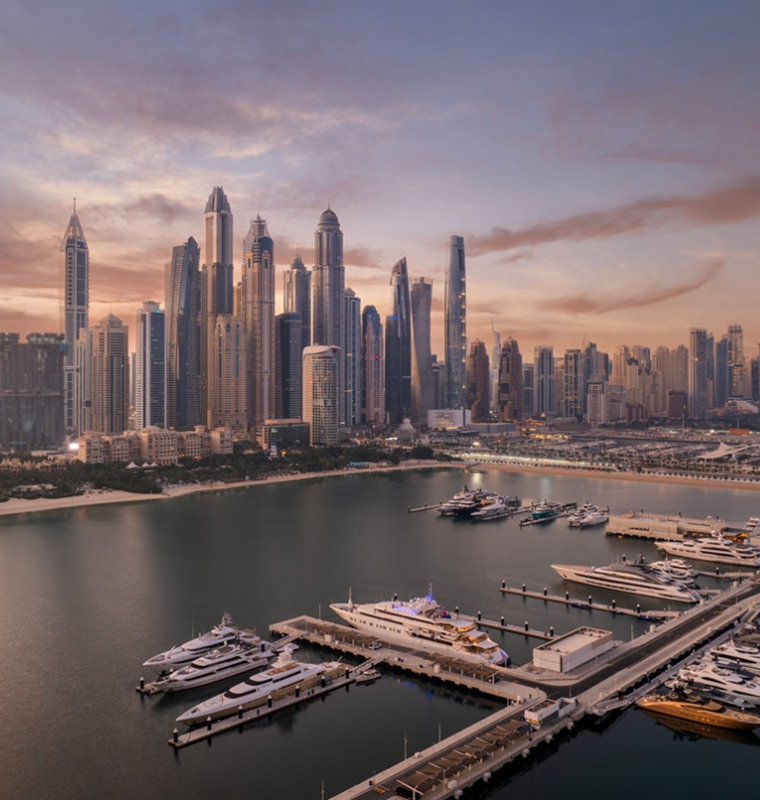

Luxury Fashion Empires See Renewed Surge as High Net Worth Consumers Fuel Post Crisis Spending Wave
By
Maya K.
Last updated:
May 25, 2026
First Published:
May 25, 2026

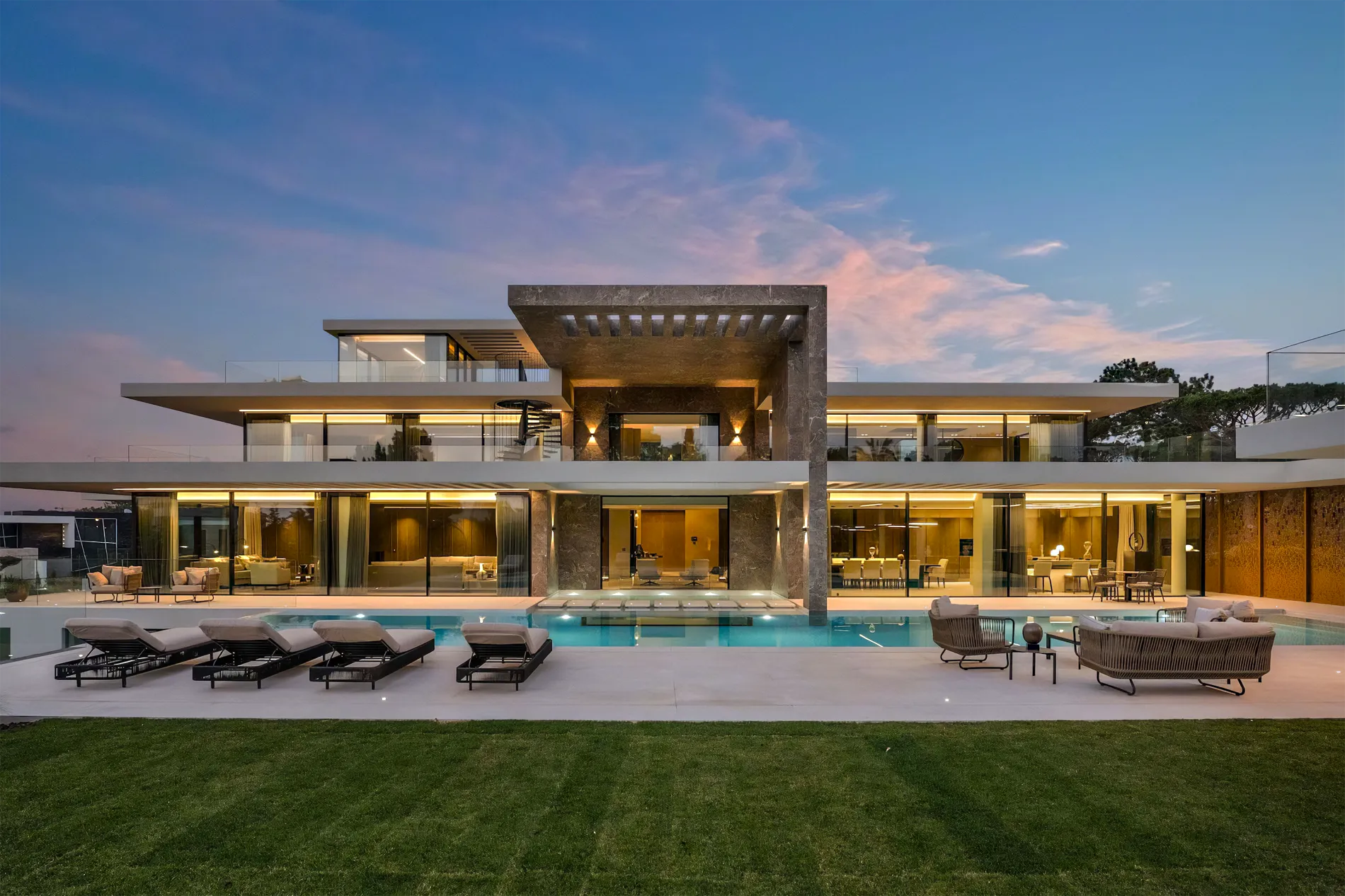
Photo: JamesEdition
The global luxury fashion industry is entering a renewed expansion phase in 2026, driven by accelerating spending from high net worth individuals who are reshaping post crisis consumption patterns. After several years of macroeconomic volatility, affluent consumers are once again prioritizing premium fashion, signaling a strong rebound in discretionary luxury spending across key global markets.
Luxury conglomerates are benefiting from a structural shift in demand rather than a temporary recovery cycle. Wealth concentration among ultra high net worth individuals has intensified, and this group continues to allocate significant portions of discretionary capital toward high end fashion, accessories, and experiential luxury goods.
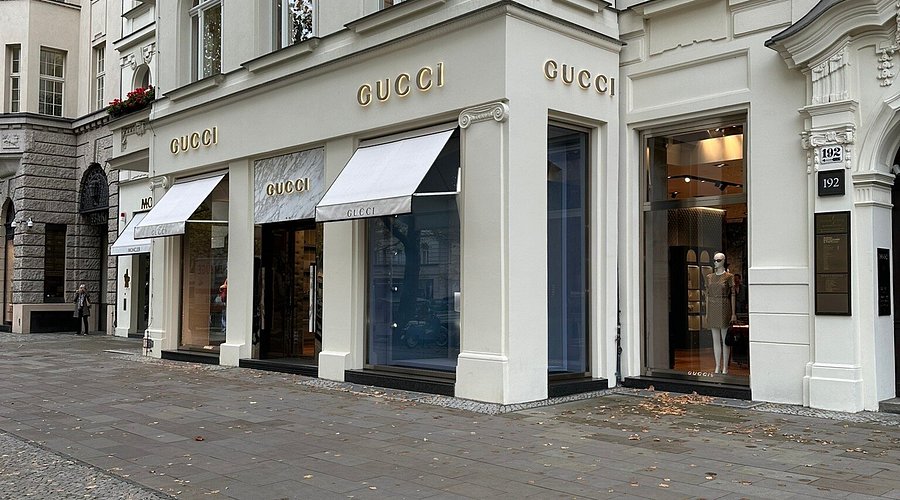
Major industry players such as LVMH are seeing sustained interest across multiple brand categories, including couture fashion, leather goods, and fine jewelry. Their diversified portfolio structure allows them to capture spending across different segments of the luxury value chain, strengthening resilience during fluctuating economic conditions.
Similarly, Kering has experienced renewed momentum driven by strong performance in its flagship fashion houses. The company’s emphasis on creative reinvention and brand repositioning has helped it maintain relevance among younger affluent consumers who are increasingly influential in global luxury demand.
Another major contributor to the sector’s growth is Chanel, which continues to maintain strong pricing power and exclusivity-driven demand. Its strategy of controlled distribution and limited availability has reinforced its position as a benchmark for ultra premium fashion consumption.
Industry analysts note that the current luxury wave is being fueled not only by established wealth but also by newly created fortunes in technology and finance sectors. These consumers tend to prioritize visible markers of success, making fashion and personal branding central to their lifestyle identity.
A key trend shaping this resurgence is the increasing importance of brand heritage and storytelling. High net worth buyers are gravitating toward fashion houses with strong historical narratives and cultural legitimacy, viewing these attributes as indicators of long term value and prestige.
Digital transformation is also playing a critical role in reshaping luxury retail. Online platforms, private client digital services, and personalized shopping experiences are now essential components of luxury brand engagement strategies. This has allowed fashion houses to maintain exclusivity while expanding global reach.
Geographically, demand growth is particularly strong in regions with expanding wealth bases, including parts of Asia, the Middle East, and North America. These markets are driving both retail expansion and flagship store investments in major luxury capitals.
Another notable shift is the growing integration of investment thinking into fashion consumption. Certain luxury goods, particularly limited edition items and iconic handbags, are increasingly perceived as alternative assets with potential value appreciation over time.
Sustainability considerations are also influencing purchasing behavior among affluent consumers. Luxury brands are responding by incorporating ethical sourcing, responsible production methods, and circular economy initiatives into their long term strategic frameworks.
Ultimately, the renewed surge in luxury fashion reflects a broader rebalancing of global wealth and consumption. As high net worth individuals continue to expand in number and influence, their spending power is reshaping the structure of the luxury economy, reinforcing fashion’s role as both a cultural signal and a financial expression of modern affluence.
Subscribe to unlock premium content
Sed at tellus, pharetra lacus, aenean risus non nisl ultricies commodo diam aliquet arcu enim eu leo porttitor habitasse adipiscing porttitor varius ultricies facilisis viverra lacus neque.
A comprehensive guide on Agile development

10 Productivity tools that are worth checking out
Top 7 Must have management tools for productivity

A comprehensive guide on Agile development
10 Productivity tools that are worth checking out
A comprehensive guide on Agile development