

Family Offices Shift Billions Into Private Equity and Real Estate Amid Global Market Volatility
By
Sophie Moore
Last updated:
June 15, 2026
First Published:
June 15, 2026


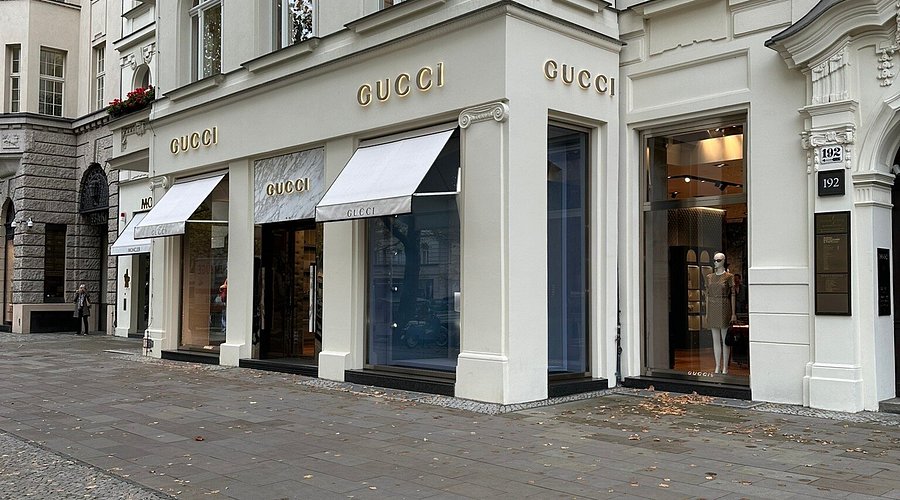
Photo: A.D. Financial
The world's wealthiest families are once again reshaping the investment landscape as family offices direct billions of dollars toward private equity and real estate opportunities. At a time when public markets continue to experience uncertainty, inflation concerns remain present, and economic forecasts vary across regions, many affluent investors are increasingly focusing on assets they believe can deliver both resilience and long term value.
This movement is attracting significant attention from financial institutions, investment managers, and wealth advisors because family offices often serve as early indicators of broader investment trends. Their decisions frequently reveal where sophisticated capital believes future opportunities may emerge.
Understanding the Growing Influence of Family Offices
Family offices have become some of the most powerful investment entities in the world. Originally established to manage the financial affairs of ultra wealthy families, these organizations now oversee trillions of dollars in assets globally.
Unlike traditional investment funds that often answer to outside investors, family offices enjoy greater flexibility. They can adopt longer investment horizons, pursue unique opportunities, and withstand short term market fluctuations without facing pressure from shareholders.
This independence allows them to make strategic decisions based on decades rather than quarters, making their investment behavior particularly significant in uncertain economic environments.
Why Public Market Volatility Is Driving Change
Global financial markets have experienced periods of heightened volatility as investors navigate shifting interest rates, geopolitical developments, changing trade dynamics, and evolving economic conditions.
While public equities remain an important component of many portfolios, family offices are increasingly seeking investments that offer greater control and reduced exposure to daily market sentiment.
Private equity and real estate have emerged as attractive alternatives because they allow investors to focus on underlying business performance and asset quality rather than short term market fluctuations.
For wealthy families focused on preserving capital across generations, this approach offers a sense of stability that public markets do not always provide.
Private Equity Continues to Attract Major Capital
Private equity has become one of the most popular destinations for family office investments. These investments provide access to privately held companies that may possess significant growth potential before entering public markets.
Many family offices view private equity as an opportunity to participate directly in value creation. Rather than purchasing shares in established public corporations, investors can support businesses during critical stages of expansion and transformation.
This strategy aligns well with entrepreneurial families who often understand business building firsthand and appreciate the long term nature of private company growth.
As a result, allocations to private equity continue increasing across many family office portfolios worldwide.
Direct Investments Gain Popularity
An important trend within private equity is the growing preference for direct investments. Instead of relying exclusively on external fund managers, many family offices are investing directly into companies and projects.
This approach offers several advantages. Investors gain greater oversight, reduced management costs, and more influence over strategic decisions. Direct investments also allow families to align opportunities with their specific values, expertise, and long term objectives.
As family offices become increasingly sophisticated, many are building internal teams capable of evaluating and managing complex investment opportunities independently.
Real Estate Remains a Cornerstone Asset
Real estate continues to play a vital role in wealth preservation strategies. Despite changing economic conditions, property remains one of the most trusted asset classes among wealthy investors.
Many family offices view premium real estate as a tangible asset capable of generating income while providing protection against inflation. Prime commercial developments, luxury residential projects, logistics facilities, and mixed use properties are attracting substantial interest.
Unlike certain financial instruments that may experience dramatic valuation swings, high quality real estate often delivers a combination of stability, utility, and long term appreciation.
This enduring appeal explains why property remains a central component of many multigenerational wealth plans.
Global Cities Continue to Attract Investment
Family offices are actively seeking opportunities in major international markets where strong economic fundamentals support long term property values.
Cities with growing populations, expanding business sectors, and strong infrastructure continue to attract investment capital. Wealthy families are particularly interested in regions that demonstrate resilience during economic uncertainty and possess favorable demographic trends.
Real estate investments are increasingly evaluated not only for immediate returns but also for their ability to preserve purchasing power across multiple generations.
This perspective encourages patient investment strategies focused on quality rather than short term speculation.
Alternative Sectors Create New Opportunities
Beyond traditional office buildings and residential developments, family offices are exploring emerging real estate sectors that reflect changing economic realities.
Data centers, healthcare facilities, student housing, senior living communities, and logistics infrastructure have become particularly attractive. These asset categories benefit from long term structural trends such as digital transformation, population aging, urbanization, and evolving consumer behavior.
By targeting specialized sectors, investors can access growth opportunities that may be less dependent on traditional economic cycles.
This diversification strategy helps strengthen portfolio resilience while creating additional sources of income and appreciation.
Wealth Preservation Becomes a Central Priority
For many affluent families, investment decisions are no longer driven solely by maximizing returns. Preserving wealth across generations has become an equally important objective.
Private equity and real estate both support this goal by providing opportunities to build durable value over extended periods. These assets often align with family office investment philosophies that emphasize patience, strategic planning, and disciplined risk management.
As wealth transfers accelerate between generations, preserving financial legacies remains a primary concern for many family office leaders.
This reality is encouraging a greater emphasis on assets capable of supporting long term stability and sustainable growth.
Technology Improves Investment Decision Making
Modern family offices are increasingly leveraging advanced technology to evaluate investment opportunities. Sophisticated analytics, artificial intelligence tools, and predictive modeling systems are helping investors identify risks and uncover opportunities more efficiently.
These technologies enable family offices to analyze vast amounts of information and make informed decisions across global markets. Improved access to data is enhancing due diligence processes and supporting more precise asset selection.
The combination of technological capabilities and long term investment discipline is strengthening the competitive position of family offices within the global investment ecosystem.
The Future of Elite Investing
The movement of billions of dollars into private equity and real estate reflects more than a temporary response to market volatility. It represents a broader shift in how sophisticated investors approach wealth management in an increasingly complex world.
Family offices are demonstrating a preference for tangible assets, direct ownership opportunities, and long term value creation over short term speculation. Their strategies emphasize patience, resilience, and thoughtful capital allocation.
As economic conditions continue to evolve, these investment approaches may become even more influential across the broader wealth management industry. The decisions being made today by family offices could shape investment trends for years to come, reinforcing the growing importance of private equity and real estate as pillars of modern wealth preservation.



Subscribe to unlock premium content
Sed at tellus, pharetra lacus, aenean risus non nisl ultricies commodo diam aliquet arcu enim eu leo porttitor habitasse adipiscing porttitor varius ultricies facilisis viverra lacus neque.
A comprehensive guide on Agile development

10 Productivity tools that are worth checking out

Top 7 Must have management tools for productivity

A comprehensive guide on Agile development
10 Productivity tools that are worth checking out
A comprehensive guide on Agile development