

Frasers Group’s €1.98 Billion Move for Hugo Boss Signals a New Era in Global Luxury Fashion
By
John Carter
Last updated:
June 10, 2026
First Published:
June 10, 2026

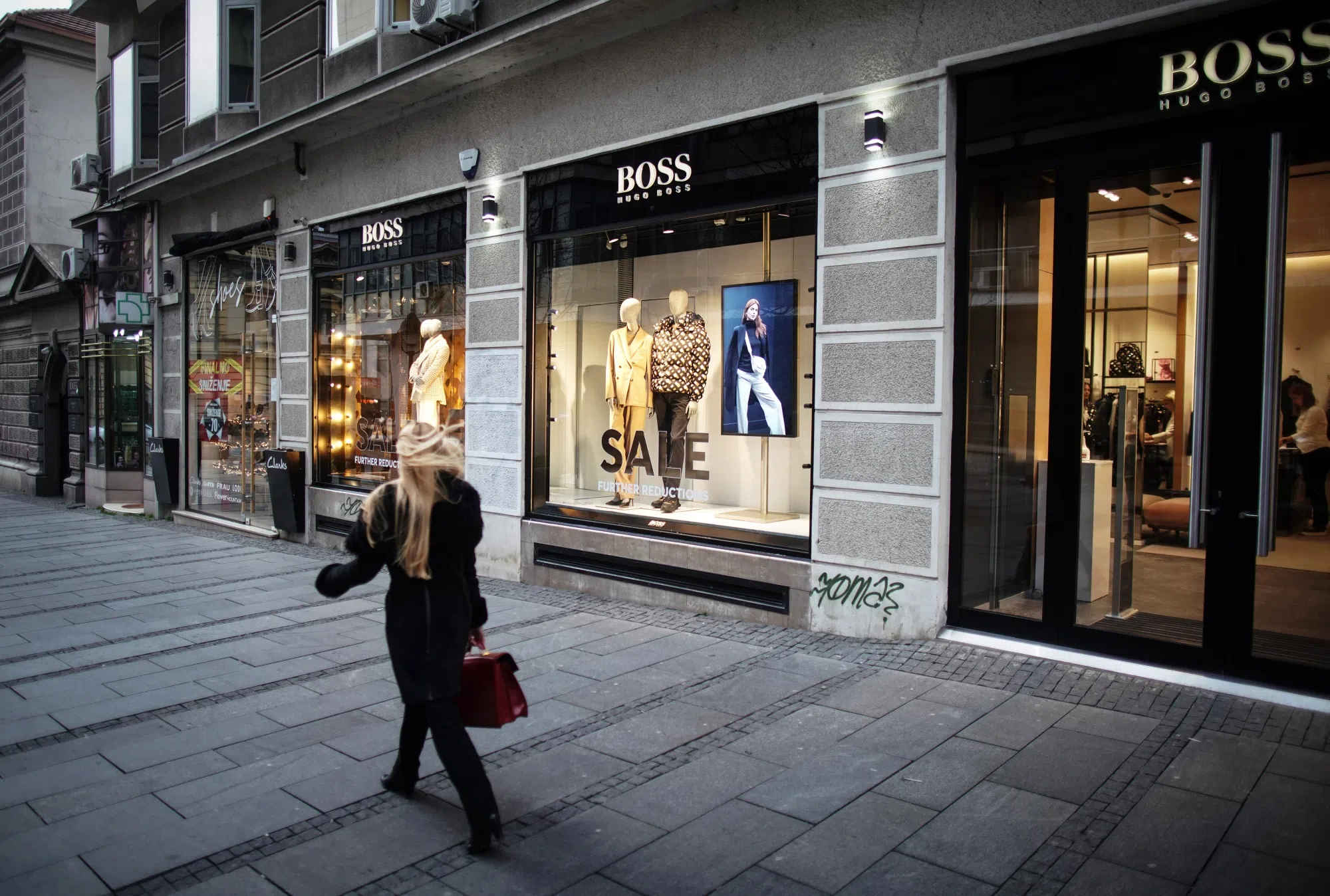
Photo: The Business Times
The global luxury fashion industry is once again at the center of attention after reports emerged that Frasers Group has launched a €1.98 billion bid for Hugo Boss. The proposed deal has sparked widespread discussion across financial markets, luxury retail circles, and among affluent consumers who closely follow developments in premium fashion brands. If completed, the acquisition could become one of the most significant luxury retail transactions of the year and may redefine competitive dynamics within the international fashion landscape.
Why This Deal Is Capturing Global Attention
Luxury fashion is not merely about clothing and accessories. It represents heritage, exclusivity, identity, and aspiration. Hugo Boss has spent decades building a reputation as one of the most recognizable names in premium fashion, attracting professionals, celebrities, entrepreneurs, and affluent consumers worldwide. Frasers Group, meanwhile, has steadily expanded its influence across multiple retail sectors and has increasingly focused on strengthening its position in higher end fashion markets.
The combination of these two powerful entities would create a formidable force capable of reaching a broader consumer base while enhancing operational scale and market influence. Investors are paying close attention because the transaction reflects larger trends shaping the future of luxury commerce.
The Evolution of Frasers Group
Over the years, Frasers Group has transformed from a traditional retail business into a diversified commercial powerhouse. The company has invested in numerous brands, expanded its retail footprint, and pursued opportunities that extend beyond conventional sporting goods and apparel.
Its strategic approach has often involved identifying businesses with strong brand recognition and untapped growth potential. This philosophy has enabled the company to establish a significant presence in multiple consumer categories. The proposed acquisition of Hugo Boss appears to align perfectly with that long term vision.
For industry observers, the bid demonstrates confidence in the future of luxury retail despite economic uncertainties affecting various global markets.
Hugo Boss Remains a Global Luxury Powerhouse
Few fashion labels enjoy the international recognition associated with Hugo Boss. The company has successfully evolved over time, balancing its traditional strengths in tailoring with contemporary fashion trends that appeal to younger consumers.
Its collections span formalwear, casual apparel, footwear, fragrances, and accessories. This diversification has helped the brand maintain relevance across generations while preserving its premium image.
Luxury consumers increasingly seek brands that combine heritage with innovation. Hugo Boss has managed to achieve that balance, making it an attractive target for any organization looking to strengthen its luxury portfolio.
The Strategic Value Behind the Acquisition
From a business perspective, acquiring Hugo Boss offers more than access to a respected fashion brand. It provides exposure to an extensive international customer base, established distribution networks, and a strong digital commerce ecosystem.
Luxury consumers are becoming more comfortable purchasing premium products online, creating significant opportunities for growth through technology driven retail strategies. By integrating Hugo Boss into its broader business structure, Frasers Group could potentially accelerate innovation in ecommerce, customer engagement, and personalized shopping experiences.
Such synergies often play a critical role in determining the long term success of major acquisitions.
A Reflection of Changing Wealth Trends
The bid also highlights evolving behavior among wealthy consumers. Affluent buyers are increasingly prioritizing quality, craftsmanship, and brand authenticity over short term trends. As a result, established luxury labels continue to command strong demand even during periods of economic volatility.
Many high net worth individuals view luxury purchases as extensions of personal identity rather than simple consumer transactions. This emotional connection creates resilience that many mainstream brands struggle to achieve.
The growing importance of luxury experiences and premium lifestyle products has encouraged investors and corporations to pursue greater exposure to the high end consumer market.
Potential Impact on the Luxury Retail Landscape
Should the transaction move forward, competitors throughout the luxury sector may face pressure to reevaluate their own growth strategies. Industry leaders continuously seek opportunities to strengthen market share, improve profitability, and expand customer reach.
Major acquisitions often trigger a wave of strategic activity as rival companies pursue partnerships, investments, or mergers to maintain competitive positioning. The proposed deal could therefore influence decisions across the broader luxury ecosystem.
Observers will be watching carefully to see whether additional consolidation emerges in response to this high profile move.
What This Means for Consumers
For customers, acquisitions of this scale can bring both opportunities and changes. Enhanced investment in technology, store experiences, product development, and global expansion often follows major corporate transactions.
Consumers may benefit from improved shopping experiences, expanded product offerings, and greater access to luxury collections across multiple markets. At the same time, maintaining brand identity remains essential. Luxury customers place tremendous value on authenticity and exclusivity, qualities that cannot be compromised without risking long term brand equity.
Successfully balancing innovation with tradition will likely become a key priority if the acquisition proceeds.
Investor Confidence in the Luxury Sector
One of the most significant messages emerging from this proposed deal is the continued attractiveness of luxury assets. While many industries face challenges from shifting consumer behavior and economic fluctuations, luxury brands remain highly desirable investment targets.
Strong brand recognition, loyal customer bases, and premium pricing power make luxury companies particularly appealing. Investors often view these characteristics as valuable defenses against market uncertainty.
The substantial size of the proposed bid reinforces the belief that premium consumer markets will continue to generate attractive opportunities in the years ahead.
Looking Ahead
The coming months will likely determine whether this ambitious acquisition becomes reality. Regulatory considerations, shareholder responses, and broader market conditions will all play important roles in shaping the final outcome.
Regardless of the ultimate decision, the bid has already sent a powerful signal throughout the luxury industry. It demonstrates that leading companies remain willing to make bold moves to secure valuable brands and position themselves for future growth.
For wealthy consumers, investors, and fashion enthusiasts alike, this story represents far more than a corporate transaction. It reflects the continuing evolution of global luxury, where heritage brands, strategic investments, and changing consumer expectations increasingly intersect to shape the future of wealth and lifestyle markets.
The Bigger Picture for Luxury Wealth Creation
Beyond fashion, this development underscores an important reality about modern wealth creation. Ownership of premium brands has become a strategic asset class in its own right. Companies that control respected luxury names often gain access to loyal customer communities, global recognition, and long lasting revenue potential.
As wealth continues expanding across emerging and established markets, demand for premium products is expected to remain strong. This creates opportunities not only for retailers but also for investors seeking exposure to businesses that serve affluent consumers.
The proposed Hugo Boss acquisition may ultimately be remembered as another milestone in the ongoing transformation of the global luxury economy, a sector that continues to attract capital, innovation, and attention from the world's most influential business leaders.

Subscribe to unlock premium content
Sed at tellus, pharetra lacus, aenean risus non nisl ultricies commodo diam aliquet arcu enim eu leo porttitor habitasse adipiscing porttitor varius ultricies facilisis viverra lacus neque.
A comprehensive guide on Agile development

10 Productivity tools that are worth checking out

Top 7 Must have management tools for productivity

A comprehensive guide on Agile development
10 Productivity tools that are worth checking out
A comprehensive guide on Agile development
.png)