

Global Billionaire Rankings Shift as Technology Fortunes Continue Reshaping Wealth Leadership
By
Maya K.
Last updated:
June 11, 2026
First Published:
June 11, 2026

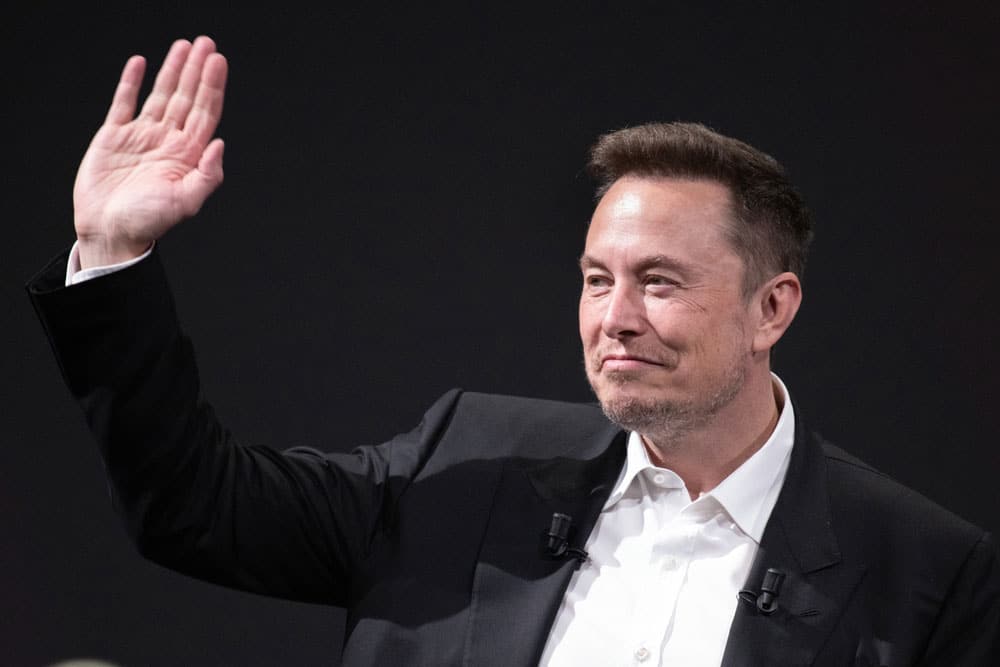
A Changing Landscape of Global Wealth
The global billionaire landscape is undergoing a noticeable transformation in 2026 as technology driven fortunes continue to reshape traditional rankings of wealth leadership. For decades, industries such as energy, retail, manufacturing, and finance dominated the upper tiers of global wealth. Today, that balance is shifting rapidly toward founders and investors in technology sectors.
Artificial intelligence, cloud infrastructure, advanced robotics, and digital platforms have become primary engines of wealth creation. As a result, the composition of global billionaire lists is increasingly influenced by innovation based enterprises rather than legacy industries.
Technology Wealth Continues to Accelerate
One of the defining characteristics of the current wealth cycle is its speed. Technology fortunes are being created and expanded at a pace that far exceeds historical norms. Startups are scaling into multi billion dollar valuations in relatively short timeframes, creating new entrants into the billionaire class almost overnight.
This acceleration is largely driven by global digital adoption and the expansion of AI enabled systems across industries. Companies that successfully integrate advanced technologies are seeing exponential growth in valuation, revenue, and market influence.
Shift From Legacy Industries to Innovation Economies
Traditional sources of wealth, such as oil and gas, retail conglomerates, and industrial manufacturing, still hold significant influence. However, their relative dominance in billionaire rankings is gradually declining.
Innovation focused companies are now at the forefront of global wealth creation. Software driven businesses in particular have demonstrated an ability to scale rapidly with minimal physical infrastructure, enabling higher profit margins and faster global reach.
This structural shift is redefining how wealth is generated and sustained across generations.
The Rise of Self Made Tech Billionaires
A notable trend in 2026 is the increasing number of self made billionaires emerging from the technology sector. Many of these individuals began as engineers, researchers, or startup founders who built companies from early stage concepts into global enterprises.
Their rise reflects a broader democratization of wealth creation, where access to digital tools and global markets allows individuals to scale ideas at unprecedented speed. This has led to a more dynamic and fluid billionaire ecosystem compared to previous decades.
Venture Capital and Private Equity Influence
Investment firms play a critical role in shaping billionaire rankings. Venture capital and private equity continue to fuel the growth of high potential startups, accelerating their path to global dominance.
These financial ecosystems provide not only capital but also strategic guidance, operational expertise, and global networking opportunities. As a result, companies backed by strong investment firms often outperform competitors and achieve faster valuation growth.
Geographic Redistribution of Wealth
Global billionaire rankings are also reflecting a geographic shift. While traditional wealth centers such as North America and Western Europe remain influential, new regions are producing a growing number of high net worth individuals.
Asia in particular continues to play a major role in technology driven wealth creation. Emerging markets are also contributing to this trend as digital infrastructure expands and entrepreneurial ecosystems mature.
This redistribution is creating a more globally balanced wealth structure than in previous decades.
Diversification of Billionaire Portfolios
Modern billionaires are increasingly diversifying their holdings across multiple sectors. Instead of relying on a single industry, many are investing in a combination of technology, real estate, healthcare, energy transition, and financial innovation.
This diversification strategy is designed to reduce risk while maximizing exposure to high growth sectors. It also reflects the complexity of modern global markets, where multiple industries are interconnected.
Influence of Artificial Intelligence on Wealth Expansion
Artificial intelligence has become one of the most significant drivers of wealth expansion. Companies developing AI infrastructure, applications, and services are experiencing rapid valuation growth.
AI is not only creating new companies but also enhancing productivity across existing industries. This dual effect is accelerating wealth creation and contributing to the rise of new billionaires across multiple sectors.
Luxury Consumption Patterns of New Billionaires
The spending behavior of newly wealthy individuals is also evolving. Unlike traditional billionaires who often emphasized legacy assets, many tech driven billionaires prioritize experiences, innovation, and personalization.
This shift is influencing luxury markets, including real estate, travel, private aviation, and bespoke services. The demand for highly customized experiences is reshaping how luxury brands design and deliver offerings.
Corporate Power and Personal Wealth Convergence
In 2026, the line between corporate leadership and personal wealth has become increasingly blurred. Founders and executives often retain significant ownership stakes in their companies, directly linking corporate performance to personal net worth.
This convergence means that changes in market valuation can rapidly alter global wealth rankings. As a result, billionaire lists have become more dynamic and volatile than ever before.
Emerging Challenges in Wealth Distribution
While technology driven wealth creation has expanded opportunities, it has also intensified discussions around wealth concentration and economic inequality. Policymakers and economists are closely monitoring the long term implications of rapid wealth accumulation in specific sectors.
Debates around taxation, regulation, and corporate responsibility are becoming more prominent as global wealth continues to concentrate among a relatively small group of individuals.
The Future of Global Wealth Leadership
Looking ahead, the global billionaire landscape is expected to continue evolving in response to technological innovation. Artificial intelligence, biotechnology, clean energy, and digital infrastructure will likely remain key drivers of future wealth creation.
As new industries emerge and existing ones transform, global wealth leadership will remain highly fluid. The next decade is expected to produce even more dramatic shifts in billionaire rankings as technology continues to redefine the foundations of economic power.
A New Definition of Wealth Power
The shift in billionaire rankings reflects more than just financial change. It represents a broader transformation in how wealth is created, managed, and perceived. In 2026, global wealth leadership is increasingly defined by innovation, scalability, and technological influence rather than traditional industrial dominance.
This evolution marks the beginning of a new era in global economics where the most powerful fortunes are built not only on capital, but on ideas that reshape the world.



Subscribe to unlock premium content
Sed at tellus, pharetra lacus, aenean risus non nisl ultricies commodo diam aliquet arcu enim eu leo porttitor habitasse adipiscing porttitor varius ultricies facilisis viverra lacus neque.
A comprehensive guide on Agile development

10 Productivity tools that are worth checking out

Top 7 Must have management tools for productivity

A comprehensive guide on Agile development
10 Productivity tools that are worth checking out
A comprehensive guide on Agile development