

Luxury Home Markets Brace for Potential Wealth Surge From Anticipated SpaceX Public Offering
By
John Carter
Last updated:
June 11, 2026
First Published:
June 11, 2026


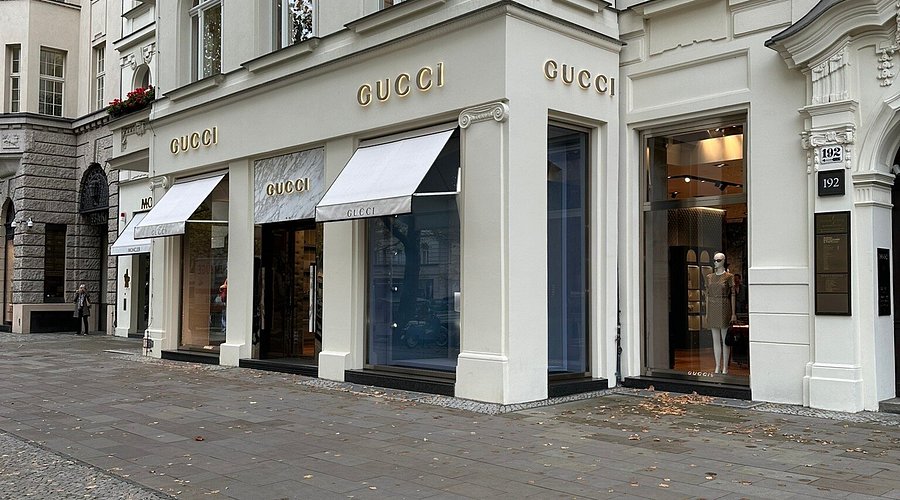
Photo: Bankless Times
Anticipation Builds Around a Major Market Catalyst
Luxury real estate markets are entering a period of heightened speculation as investors prepare for a potential surge in liquidity tied to the broader private space industry. In 2026, market attention has increasingly focused on the possibility that major aerospace and space exploration companies may move closer to public offerings or large scale equity events, unlocking significant wealth for early stakeholders.
Among these developments, SpaceX remains one of the most closely watched private companies in the world. While no official timeline is confirmed, the anticipation alone has begun influencing investment behavior in high end property markets.
Wealth Creation Cycles and Real Estate Demand
Historically, large scale liquidity events in technology sectors have had a direct impact on luxury real estate. When early employees, founders, and investors gain access to substantial capital, a portion of that wealth often flows into tangible assets such as prime residential properties.
This pattern is now being observed again as market participants position themselves ahead of potential future liquidity events. Luxury brokers in key global cities report increased interest from technology professionals and long term private equity holders who are anticipating significant financial outcomes.
Prime Urban Markets See Early Movement
High end neighborhoods in global financial and technology hubs are already experiencing subtle shifts in demand. Buyers are increasingly active in markets known for stability, exclusivity, and long term appreciation potential.
Cities with strong innovation ecosystems tend to benefit most from this type of wealth cycle. Properties in elite districts are often acquired quickly once liquidity becomes available, creating competitive bidding environments that drive prices upward.
Space Industry Wealth as a New Driver of Luxury Demand
The private space sector represents one of the most capital intensive and high growth industries in the world. As valuations continue to expand, early stakeholders are accumulating substantial unrealized wealth.
When liquidity events occur, whether through public listings, secondary share sales, or structured exits, a portion of this wealth typically enters consumer markets. Luxury real estate is often one of the first destinations for this capital due to its stability and prestige.
Luxury Developers Prepare for Increased Demand
Developers specializing in ultra premium properties are closely monitoring capital market developments. Many are preparing new inventory designed specifically for high net worth individuals who may enter the market suddenly after liquidity events.
These developments often include advanced security systems, private wellness facilities, integrated smart home technology, and highly customized architectural designs. The goal is to attract buyers seeking both investment value and lifestyle enhancement.
Global Diversification Becomes a Priority
Wealthy investors tied to technology and space industries are increasingly adopting global diversification strategies. Instead of concentrating holdings in a single location, they are distributing real estate portfolios across multiple countries.
This approach helps balance lifestyle flexibility with risk management while ensuring access to multiple economic and cultural environments. Luxury real estate is becoming a key component of this global strategy.
Secondary Cities Gain Attention
While traditional luxury hubs remain dominant, secondary cities are also attracting interest due to their relative affordability and growth potential. These markets offer entry points for investors seeking diversification beyond established global centers.
As a result, certain emerging urban areas are experiencing increased attention from international buyers anticipating future wealth expansion.
Financing Structures Evolve for High Net Worth Buyers
Luxury property financing is also evolving in response to anticipated wealth growth. Private banks and wealth managers are offering more flexible lending structures tailored to individuals expecting future liquidity events.
These financial products allow buyers to secure high value properties before liquidity is fully realized, effectively leveraging anticipated future wealth.
Impact on Construction and Design Sectors
The expectation of increased demand is already influencing the construction and design industries. Architects, interior designers, and luxury contractors are preparing for a rise in bespoke project requests.
Customization is becoming a central expectation, with clients seeking properties that reflect personal identity, technological sophistication, and long term investment value.
Investor Psychology and Market Timing
A key factor driving current behavior is timing. Investors are attempting to position themselves before liquidity becomes widely available, creating early demand pressure in select markets.
This anticipatory behavior often amplifies market cycles, as expectations of future wealth can influence present day investment decisions.
The Role of Prestige Assets in Wealth Deployment
Luxury real estate continues to function as a prestige asset class. Beyond financial returns, it provides symbolic value, lifestyle enhancement, and long term security.
For newly wealthy individuals entering the market after major liquidity events, property ownership often represents both achievement and stability.
Looking Ahead to a New Luxury Cycle
As speculation around major space industry liquidity events continues, luxury real estate markets are expected to remain highly sensitive to developments in the technology sector.
Whether or not a public offering occurs in the near term, the anticipation alone is already shaping investment behavior. The intersection of space technology wealth and luxury property demand is emerging as a defining theme in the modern global real estate landscape.



Subscribe to unlock premium content
Sed at tellus, pharetra lacus, aenean risus non nisl ultricies commodo diam aliquet arcu enim eu leo porttitor habitasse adipiscing porttitor varius ultricies facilisis viverra lacus neque.
A comprehensive guide on Agile development

10 Productivity tools that are worth checking out

Top 7 Must have management tools for productivity

A comprehensive guide on Agile development
10 Productivity tools that are worth checking out
A comprehensive guide on Agile development