
Luxury Brands Pivot Toward Mobility, Experiences, and Global Living as Wealthy Consumers Redefine Status
By
Sophie Moore
Last updated:
June 11, 2026
First Published:
June 11, 2026

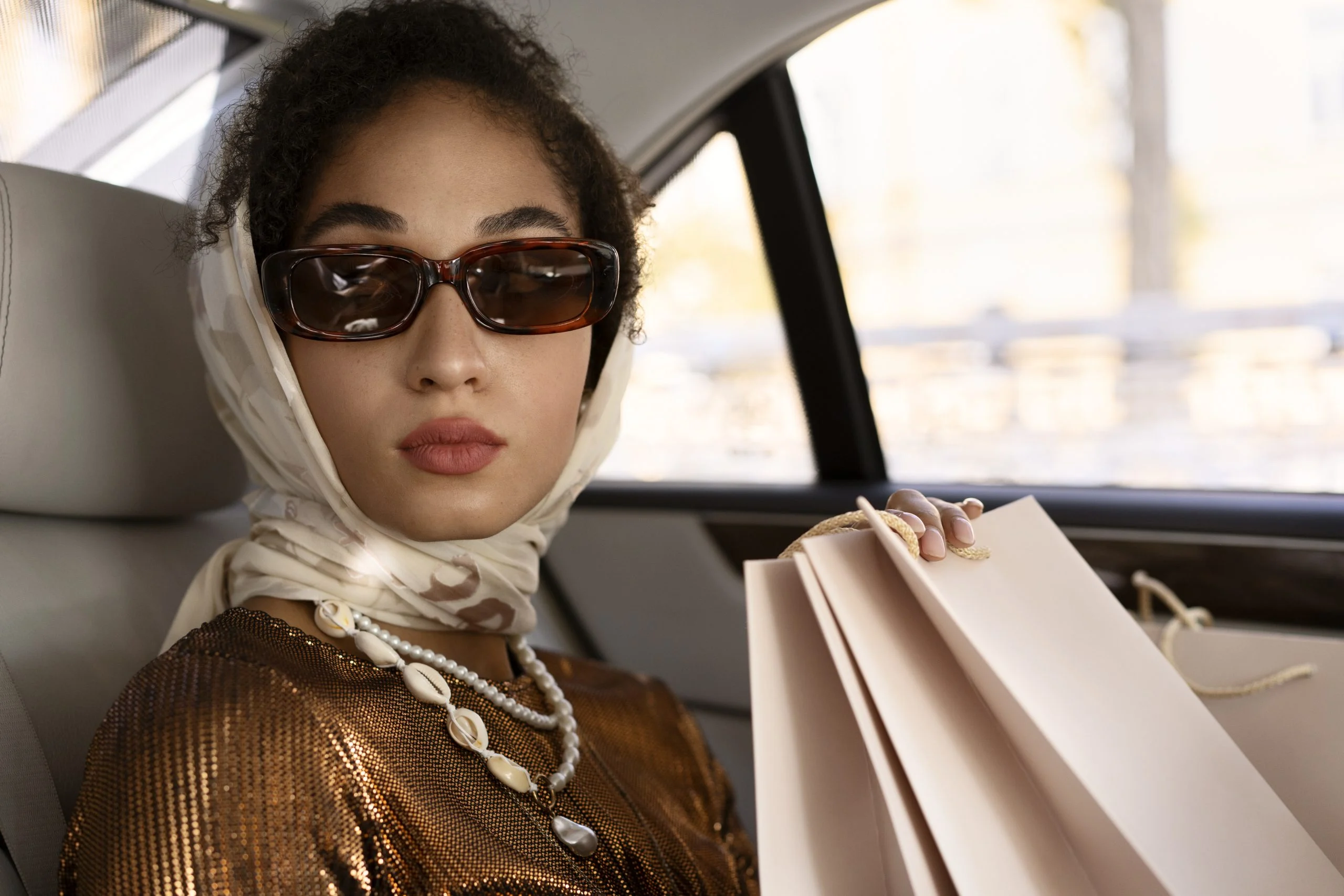
Photo: Campaign Middle East
A Structural Shift in Luxury Consumption
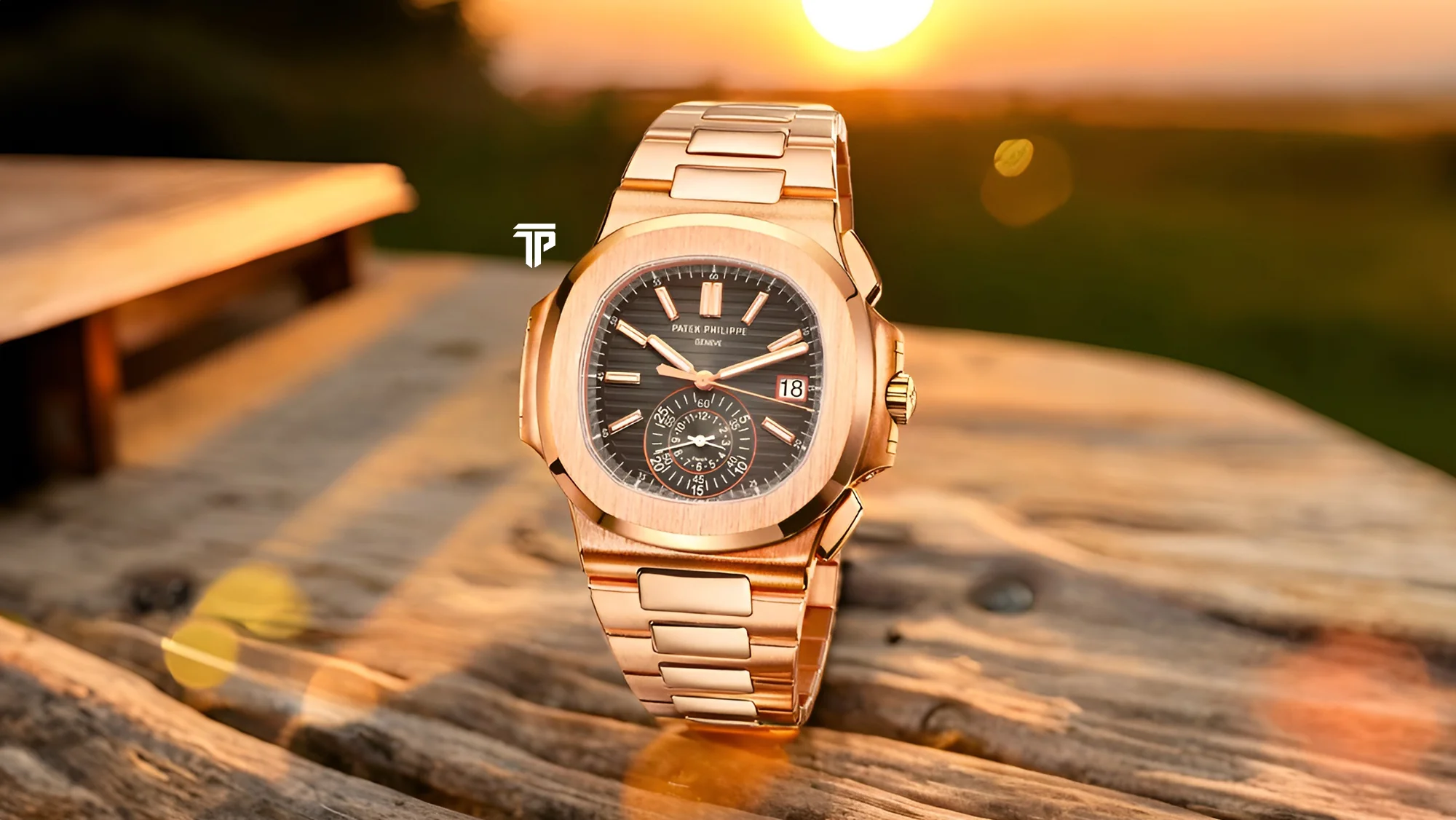
The global luxury industry is undergoing a fundamental transformation in 2026 as wealthy consumers increasingly redefine what status and exclusivity mean. Traditional symbols of luxury such as high end watches, handbags, and jewelry remain relevant, but they are no longer the sole indicators of elite lifestyle identity.
Instead, affluent individuals are placing greater value on mobility, access, personalization, and experiential living. Luxury is becoming less about ownership and more about how seamlessly a person can move through the world while enjoying curated experiences at every stage of life.
From Ownership to Access Driven Luxury
One of the most important shifts in consumer behavior is the growing preference for access based luxury. Wealthy clients are increasingly choosing services that provide flexibility rather than permanent ownership.
Private aviation memberships, luxury residence subscriptions, exclusive travel networks, and curated event access are replacing traditional one time purchases. This model allows consumers to experience multiple forms of luxury without long term commitment to a single asset.
Brands are responding by redesigning their offerings around subscription based ecosystems and on demand access platforms.
Mobility Becomes the New Status Symbol
Mobility has emerged as a central theme in modern luxury identity. Ultra wealthy individuals often live across multiple countries and require seamless transitions between residences, cities, and continents.
Luxury providers are developing integrated mobility solutions that combine private aviation, chauffeur services, concierge coordination, and real time itinerary management. The goal is to ensure that movement between locations is as effortless and personalized as possible.
In this new framework, the ability to move freely and efficiently has become a stronger status symbol than static ownership.
Experiential Luxury Gains Dominance
Experiences are now one of the fastest growing segments of the luxury market. High net worth consumers are investing heavily in curated travel, cultural immersion, wellness retreats, and private events.
These experiences are often designed to be highly personalized and exclusive, offering access to environments and moments that cannot be replicated in standard commercial settings. Luxury brands are increasingly partnering with travel designers, chefs, artists, and cultural institutions to create unique offerings.
The focus has shifted from what individuals own to what they have experienced and where they have been.
Global Living as a Lifestyle Model
Global living has become a defining characteristic of the modern wealthy class. Many affluent individuals no longer identify with a single home country in a traditional sense, instead maintaining residences and lifestyles across multiple regions.
This trend is influencing how luxury brands design products and services. Flexibility, portability, and cultural adaptability are now key considerations in product development.
Luxury real estate, hospitality, and travel industries are converging to support this global lifestyle model, creating integrated ecosystems that support seamless international living.
Digital Integration Enhances Luxury Experiences
Technology is playing a significant role in the evolution of luxury consumption. Digital platforms now enable highly personalized experiences through data driven insights and real time customization.
Luxury brands are using advanced systems to track preferences, anticipate needs, and deliver tailored recommendations across multiple touchpoints. From personalized shopping experiences to adaptive travel itineraries, technology is enabling a more fluid and responsive luxury ecosystem.
This digital integration is also enhancing convenience, allowing affluent consumers to manage complex lifestyles with minimal effort.
Sustainability and Responsible Luxury
A growing number of luxury consumers are also prioritizing sustainability and ethical responsibility. High end brands are increasingly expected to demonstrate environmental awareness, responsible sourcing, and transparent production practices.
This shift is influencing everything from material selection in fashion to energy use in luxury properties. Sustainability is becoming an important part of brand identity rather than a secondary consideration.
Luxury consumers are now evaluating brands not only on exclusivity and design but also on long term environmental and social impact.
The Decline of Traditional Status Symbols
While classic luxury items remain relevant, their role as primary status indicators is gradually diminishing. Possession of material goods alone is no longer sufficient to define elite status among the wealthiest consumers.
Instead, status is increasingly determined by access to exclusive networks, rare experiences, and highly personalized services. The ability to curate a unique and mobile lifestyle carries more prestige than traditional displays of wealth.
This shift is forcing luxury brands to rethink how they define value and desirability.
Rise of Integrated Luxury Ecosystems
Luxury brands are moving toward integrated ecosystems that combine multiple lifestyle elements into a single unified offering. These ecosystems may include fashion, travel, real estate, wellness, and digital services under one coordinated experience.
The goal is to provide continuity across all aspects of a client’s lifestyle, ensuring that every interaction feels seamless and consistent. This approach strengthens brand loyalty while increasing customer lifetime value.
It also reflects the growing complexity of modern affluent lifestyles, where convenience and integration are essential.
Personalized Identity as the New Luxury
One of the most significant developments in 2026 is the shift toward identity based luxury. Wealthy consumers increasingly seek products and experiences that reflect their individuality rather than mass luxury trends.
Customization is becoming central to brand strategy. Whether through bespoke fashion, tailored travel experiences, or personalized wellness programs, luxury is now deeply tied to self expression.
This emphasis on identity marks a departure from standardized luxury consumption toward highly individualized lifestyle design.
The Future of Luxury Branding
Luxury brands are entering a new phase where success depends on adaptability, innovation, and deep understanding of evolving consumer behavior. Companies that can integrate mobility, experiences, and personalization into their offerings are likely to lead the next generation of luxury markets.
The future of luxury is no longer confined to objects or symbols. It is increasingly defined by how seamlessly individuals can move, experience, and shape their lives across a global landscape.
A Redefined Concept of Status
The transformation underway in the luxury industry reflects a broader cultural shift in how status is understood. In 2026, prestige is no longer measured simply by possession but by the richness of experience, freedom of movement, and depth of personalization.
As wealthy consumers continue to reshape expectations, luxury brands must evolve from product providers into lifestyle architects, designing ecosystems that support modern global living at the highest level.
Subscribe to unlock premium content
Sed at tellus, pharetra lacus, aenean risus non nisl ultricies commodo diam aliquet arcu enim eu leo porttitor habitasse adipiscing porttitor varius ultricies facilisis viverra lacus neque.
A comprehensive guide on Agile development

10 Productivity tools that are worth checking out
Top 7 Must have management tools for productivity

A comprehensive guide on Agile development
10 Productivity tools that are worth checking out
A comprehensive guide on Agile development