

Inside the Secret Billion Dollar World of Invitation Only Luxury Clubs for the Ultra Rich
By
John Carter
Last updated:
May 17, 2026
First Published:
May 17, 2026

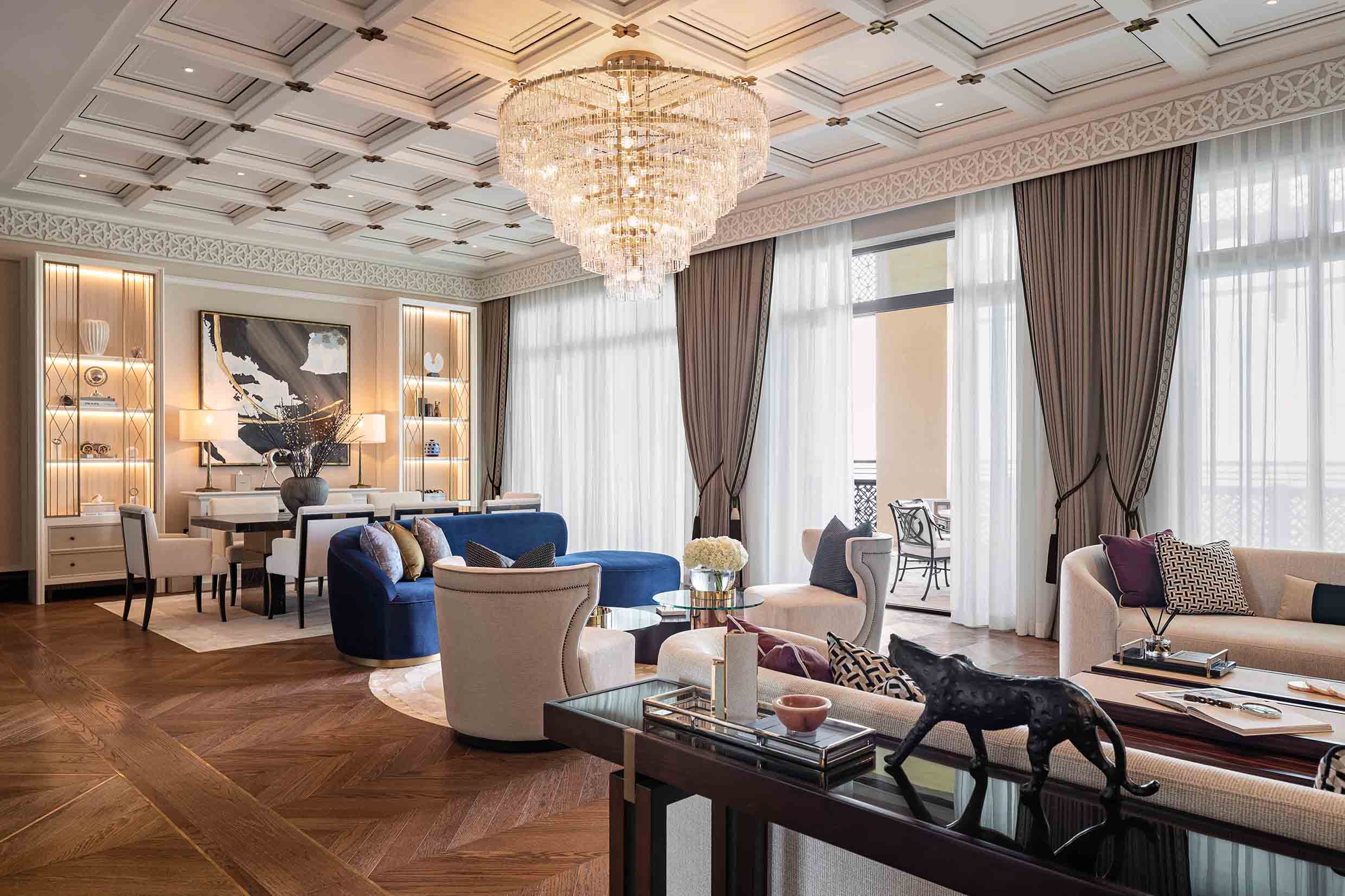
Photo: John Cullen Lighting
A World Hidden From Public Eyes
Luxury has evolved far beyond designer fashion, rare watches, or private islands. In 2026, the highest symbol of status is no longer something that can simply be purchased. The true luxury now lies in access. Around the world, invitation only luxury clubs have quietly become the most desired social circles among billionaires, royal families, global investors, celebrities, and technology founders. These hidden communities operate behind guarded entrances, strict privacy agreements, and membership lists unavailable to the public.
Unlike traditional country clubs or celebrity lounges, these ultra elite spaces are designed for individuals whose wealth and influence move industries and governments. Membership often requires personal recommendations from existing members, years of social vetting, and in many cases, an invisible reputation that cannot be built overnight. For the ultra rich, entering one of these circles is considered more valuable than purchasing another mansion or supercar.
Why Invitation Only Clubs Have Become the New Luxury Obsession
The wealthy have always valued exclusivity, but recent years have transformed privacy into one of the most expensive luxuries in the world. Public attention, social media exposure, and constant digital surveillance have created a demand for spaces where influential people can interact without cameras, leaks, or public observation.
These clubs provide exactly that environment. Billionaires are increasingly searching for places where they can discuss investments, relationships, political conversations, and future business deals away from media attention. In these spaces, billion dollar partnerships can begin over dinner, while luxury experiences are tailored with extraordinary precision.
For many members, the attraction is not only prestige but comfort. Everyone inside belongs to a similar financial world, which creates a rare sense of ease among individuals who are otherwise constantly observed in public life.
The Architecture of Extreme Exclusivity
Many invitation only luxury clubs intentionally avoid flashy public branding. Some are hidden inside historic mansions, private towers, luxury yachts, or discreet penthouses in cities such as London, Dubai, Paris, New York, Singapore, and Monaco. From the outside, these locations may appear surprisingly understated. The real luxury exists behind the doors.
Inside, the experience becomes almost cinematic. Private cigar lounges, gold detailed dining halls, underground wine chambers, art collections worth hundreds of millions, and private spa suites create an atmosphere built entirely around comfort and prestige. Members often have access to personal concierge teams capable of arranging impossible experiences within hours.
Some clubs even provide secret entrances for globally recognized public figures who wish to avoid photographers and media attention. Privacy is treated as sacred currency.
The Billion Dollar Networking Culture
One of the biggest reasons these clubs remain so powerful is the concentration of influence inside a single room. It is not unusual for a technology founder, luxury fashion executive, oil heir, movie producer, and global investor to socialize together during private dinners.
These clubs function as informal ecosystems of influence. Deals involving luxury resorts, fashion acquisitions, artificial intelligence startups, or global real estate investments may quietly begin through personal relationships formed within these spaces.
For younger billionaires, especially those from the technology sector, invitation only clubs also serve as social gateways into old money circles that traditionally remained difficult to access. Wealth alone is not always enough to enter these environments. Social positioning and reputation matter equally.
Membership Fees That Reach Extraordinary Levels
While many luxury clubs publicly avoid discussing pricing, reports from insiders suggest some memberships cost hundreds of thousands of dollars annually. Certain ultra exclusive clubs reportedly require multi million dollar initiation fees along with approval from private committees.
However, the price itself is rarely the biggest obstacle. The real challenge is receiving approval. Some applicants wait years without ever receiving confirmation. Others are rejected despite enormous wealth because they fail to match the club’s cultural identity or privacy expectations.
This selective process strengthens the emotional value attached to membership. In elite society, scarcity increases prestige.
The Role of Luxury Travel and Private Events
Many invitation only clubs extend far beyond a single building. Members are often invited to private events across the world including yacht gatherings in the Mediterranean, invitation only fashion dinners during couture week, private art auctions, and hidden wellness retreats attended by influential global figures.
Luxury travel has become deeply connected to these networks. Members may arrive by private jet to remote islands where entire resorts are reserved exclusively for elite gatherings. These experiences are designed to feel detached from ordinary reality.
Some events prohibit photography entirely. Others require guests to surrender mobile devices upon arrival to preserve complete confidentiality.
How Younger Millionaires Are Changing Elite Culture
A major transformation happening inside luxury clubs involves generational change. Younger tech entrepreneurs and cryptocurrency investors are entering spaces once dominated by old industrial families and inherited wealth.
This shift has altered the atmosphere of elite social culture. Traditional elegance now mixes with futuristic luxury. Vintage wine collections exist alongside conversations about artificial intelligence, digital assets, space tourism, and longevity science.
Modern luxury clubs are increasingly adapting to younger members who value wellness, personalization, and innovation as much as traditional status symbols. Some clubs now feature private meditation spaces, advanced biohacking centers, and health optimization programs alongside classic luxury experiences.
The Silent Competition Between Global Cities
Cities across the world are competing to attract elite private communities because these members bring extraordinary economic influence. Dubai has emerged as one of the fastest growing destinations for ultra luxury clubs due to tax advantages, architectural ambition, and aggressive investment into premium lifestyle experiences.
Meanwhile, London and Paris continue to attract old money elites who value heritage and tradition. Monaco remains a symbol of timeless luxury connected to yachting culture and royal prestige. Singapore has rapidly gained attention as a discreet financial and social hub for wealthy Asian investors.
This global competition has elevated the standards of private luxury experiences to unprecedented levels.
Why Privacy Has Become More Valuable Than Public Fame
In earlier decades, luxury was often designed to be visible. Today, many wealthy individuals prefer invisible luxury. Quiet exclusivity now carries greater prestige than public attention.
Invitation only clubs perfectly represent this modern shift. Members are not interested in displaying wealth to strangers. Instead, they value carefully protected spaces where they can enjoy freedom without public pressure.
The ability to disappear from public visibility while still experiencing the highest levels of comfort has become one of the ultimate status symbols of modern wealth culture.
The Future of Elite Private Societies
As global wealth continues to expand, invitation only luxury clubs are expected to become even more selective and technologically advanced. Artificial intelligence driven personalization, biometric security systems, and ultra private digital communication networks may soon become standard features inside these environments.
At the same time, demand for emotional exclusivity will continue growing. The wealthy are increasingly seeking environments that provide belonging, trust, and influence rather than simple material luxury.
The future of elite culture may not revolve around what people own, but around which doors quietly open for them behind closed walls.
Final Thoughts
The world of invitation only luxury clubs remains one of the most secretive corners of global wealth culture. Hidden behind discretion and social filtering lies an ecosystem where prestige is measured not through visibility, but through access.
For outsiders, these clubs appear mysterious and almost unreal. For members, they represent security, influence, privacy, and connection at the highest level imaginable. In a world where almost everything can be purchased publicly, true exclusivity has become the rarest luxury of all.


Subscribe to unlock premium content
Sed at tellus, pharetra lacus, aenean risus non nisl ultricies commodo diam aliquet arcu enim eu leo porttitor habitasse adipiscing porttitor varius ultricies facilisis viverra lacus neque.
A comprehensive guide on Agile development

10 Productivity tools that are worth checking out

Top 7 Must have management tools for productivity

A comprehensive guide on Agile development
10 Productivity tools that are worth checking out
A comprehensive guide on Agile development