

The Return of Old Money Glamour as Heritage Estates, Polo Events, and Private Art Galas Dominate Elite Culture
By
Sophie Moore
Last updated:
May 17, 2026
First Published:
May 17, 2026

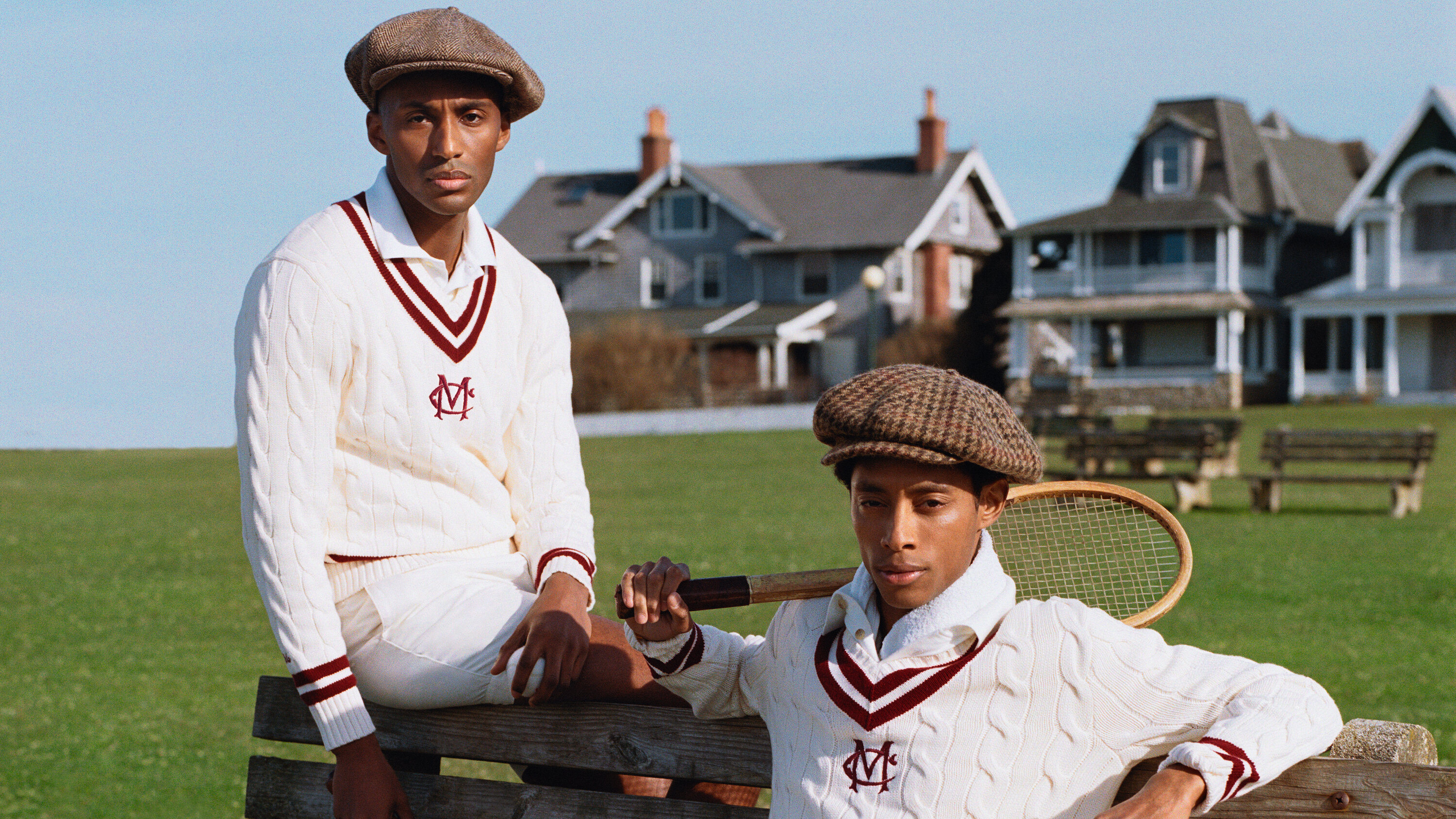
Photo: The New York Times
A Silent Revival of Old Money Culture
In 2026, elite culture is witnessing a noticeable return to old money glamour. While new wealth from technology, finance, and digital industries continues to shape modern luxury, there is a parallel resurgence of heritage driven lifestyles centered on tradition, discretion, and long established aristocratic values.
This revival is not loud or performative. Instead, it is expressed through heritage estates, private polo events, classical art gatherings, and invitation only cultural salons. These environments prioritize legacy over novelty and refinement over visibility.
Heritage Estates as Living Symbols of Generational Wealth
At the center of old money glamour are heritage estates that have been preserved across generations. These properties are not just residences. They are historical assets that carry architectural significance, cultural memory, and family legacy.
Many of these estates are located in rural countryside regions across Europe, the United Kingdom, and select parts of North America. They often feature classical architecture, extensive landscaped gardens, private libraries, and curated art collections accumulated over decades or centuries.
For elite families, maintaining these estates is about continuity rather than display. The emphasis is on preservation, stewardship, and quiet refinement.
Polo Events as a Cultural Anchor of Elite Tradition
Polo remains one of the most recognizable symbols of traditional elite lifestyle. In 2026, private polo events continue to serve as key social gatherings for old money families, aristocratic circles, and select global elites who value heritage culture.
Unlike modern entertainment driven luxury events, polo matches are structured around etiquette, tradition, and controlled social interaction. Guest lists are highly curated, and attendance often requires personal invitation or long standing family association.
These events function as both sport and social ritual, reinforcing long established networks of influence.
The Quiet Power of Private Art Galas
Private art galas have become another defining feature of old money glamour. These gatherings are typically held in private museums, historic mansions, or exclusive cultural institutions that are not open to the public.
The focus is on classical art, historical collections, and curated exhibitions that reflect intellectual and cultural depth. Unlike commercial art fairs, these events prioritize appreciation over market speculation.
Collectors, historians, and elite patrons gather in intimate settings where art is discussed in detail, often accompanied by private dining and musical performances.
The Contrast Between Old Money and New Wealth
A key dynamic shaping modern elite culture is the contrast between old money tradition and new wealth innovation. While tech billionaires often emphasize futuristic architecture, experimental luxury, and digital integration, old money circles tend to favor restraint, heritage, and cultural continuity.
This contrast is not necessarily competitive, but it creates distinct cultural identities within global elite society. One side values visibility and innovation, while the other values discretion and legacy.
Increasingly, these two worlds intersect, creating hybrid spaces where tradition and modernity coexist.
Fashion and Lifestyle Codes of Quiet Luxury
Old money glamour is closely associated with a specific aesthetic often described as quiet luxury. This style emphasizes high quality materials, understated design, and timeless fashion rather than bold branding or seasonal trends.
In lifestyle terms, this translates into carefully curated wardrobes, private travel arrangements, and minimal public exposure. Luxury is expressed through quality and context rather than visibility.
This aesthetic has gained renewed attention as global elites increasingly seek alternatives to overtly commercial luxury culture.
The Role of Family Legacy in Elite Identity
Family legacy plays a central role in old money culture. Unlike newly created wealth, which is often measured by financial growth or market influence, generational wealth is tied to continuity and reputation over time.
Many elite families invest heavily in maintaining archives, private collections, and historical records that preserve their lineage. These elements contribute to a sense of identity that extends beyond individual achievement.
This emphasis on legacy reinforces long term thinking and cultural stability within elite circles.
How Younger Generations Are Reinterpreting Tradition
Interestingly, younger members of wealthy families are not abandoning old money culture. Instead, they are reinterpreting it. While respecting tradition, they are integrating modern elements such as contemporary art, sustainable luxury practices, and selective technological enhancements into heritage lifestyles.
This creates a balanced approach where classical estates and traditions coexist with modern expectations around wellness, travel, and global connectivity.
The result is a more adaptive version of old money culture that remains relevant in a rapidly changing world.
Global Destinations of Old Money Influence
Certain regions continue to serve as strongholds of old money culture. European countryside estates, coastal Mediterranean properties, and historic city residences remain central to this lifestyle.
These locations are chosen not for trend value but for cultural depth and historical significance. Many have been associated with elite families for centuries, reinforcing their role as anchors of tradition.
These destinations also provide the privacy and continuity required for maintaining generational wealth culture.
The Cultural Value of Discretion
One of the defining characteristics of old money glamour is discretion. Unlike modern luxury culture that often emphasizes visibility, traditional elite culture values privacy and subtlety.
This extends to how events are hosted, how wealth is displayed, and how social interactions are conducted. The less visible the wealth, the more refined it is considered within these circles.
Discretion is not just a preference. It is a cultural principle that shapes behavior and identity.
The Future of Heritage Driven Luxury
As global luxury continues to evolve, old money glamour is expected to remain a stable and influential force. While new wealth introduces innovation and disruption, heritage culture provides continuity and grounding within elite society.
The future will likely see continued blending of these two worlds, where tradition informs modern luxury and innovation revitalizes heritage spaces.
Ultimately, old money glamour remains relevant because it represents something beyond consumption. It represents continuity, identity, and cultural permanence in a rapidly changing global landscape.


Subscribe to unlock premium content
Sed at tellus, pharetra lacus, aenean risus non nisl ultricies commodo diam aliquet arcu enim eu leo porttitor habitasse adipiscing porttitor varius ultricies facilisis viverra lacus neque.
A comprehensive guide on Agile development

10 Productivity tools that are worth checking out

Top 7 Must have management tools for productivity

A comprehensive guide on Agile development
10 Productivity tools that are worth checking out
A comprehensive guide on Agile development